
African-American Pioneers in Engineering

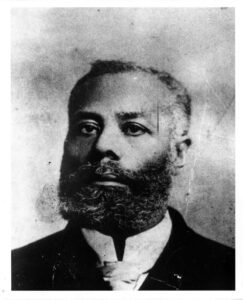
Elijah Mccoy / Credit: Ypsilanti Historical Society (Wikipedia.org)


February is African-American History Month. As such, it is the perfect opportunity to highlight the engineering achievements of African-Americans who, although they may have contended with racism, societal inequality, and discrimination, worked hard to overcome obstacles and accomplished great things in the field of engineering.

Walter Braithwaite, an American engineer who was born in Jamaica, was hired by Boeing in 1966. As Senior Engineer, he led the team that invented CAD systems for designing commercial Boeing aircraft. Over the years, Braithwaite rose through the ranks, eventually becoming President of Boeing Africa. When he retired in 2003, he was the highest ranking African-American executive of the company.

Howard P. Grant graduated from the University of California, Berkeley, in 1948, making him the first African-American to graduate from the Berkeley College of Engineering. That same year, Grant also became the first known African-American member of the American Society of Civil Engineers. He subsequently became the first African-American civil engineer for the City and County of San Francisco and the second African-American civil engineer to be licensed by California. He worked in the San Francisco water department until 1984, and also held the position of president and treasurer of the California Society of Professional Engineers.

George Biddle Kelley graduated from Cornell University’s College of Civil Engineering in 1908. He went on to become the first African-American engineer registered in the state of New York. He was hired by the New York Engineering Department, where he worked on the Barge Canal, a collection of state waterways, during the 1920s.

Elijah McCoy was born in Canada in 1844 to runaway slaves who had escaped Kentucky thought the Underground Railroad. At the age of 15, he moved to Edinburgh, Scotland for an apprenticeship. There, he became certified in mechanical engineering. Upon leaving Scotland, he moved to Michigan, where his family was now living. After being unable to find engineering work in Michigan because of his race, he found a job as a fireman with the Michigan Central Railroad. Part of his duties included oiling the steam engine parts. Soon McCoy had invented an automatic engine lubricator, which meant that trains were no longer required to stop for lubrication. The lubrication could now occur while the train was moving. As news of the invention spread, many inventors attempted to create their own version of the automatic lubricator. However, it was soon discovered that McCoy’s invention was superior. It is said that railway engineers began requested “the real McCoy” lubricator. McCoy filed a total of almost 60 patents, including designs for an ironing board, a lawn sprinkler, and other machines.

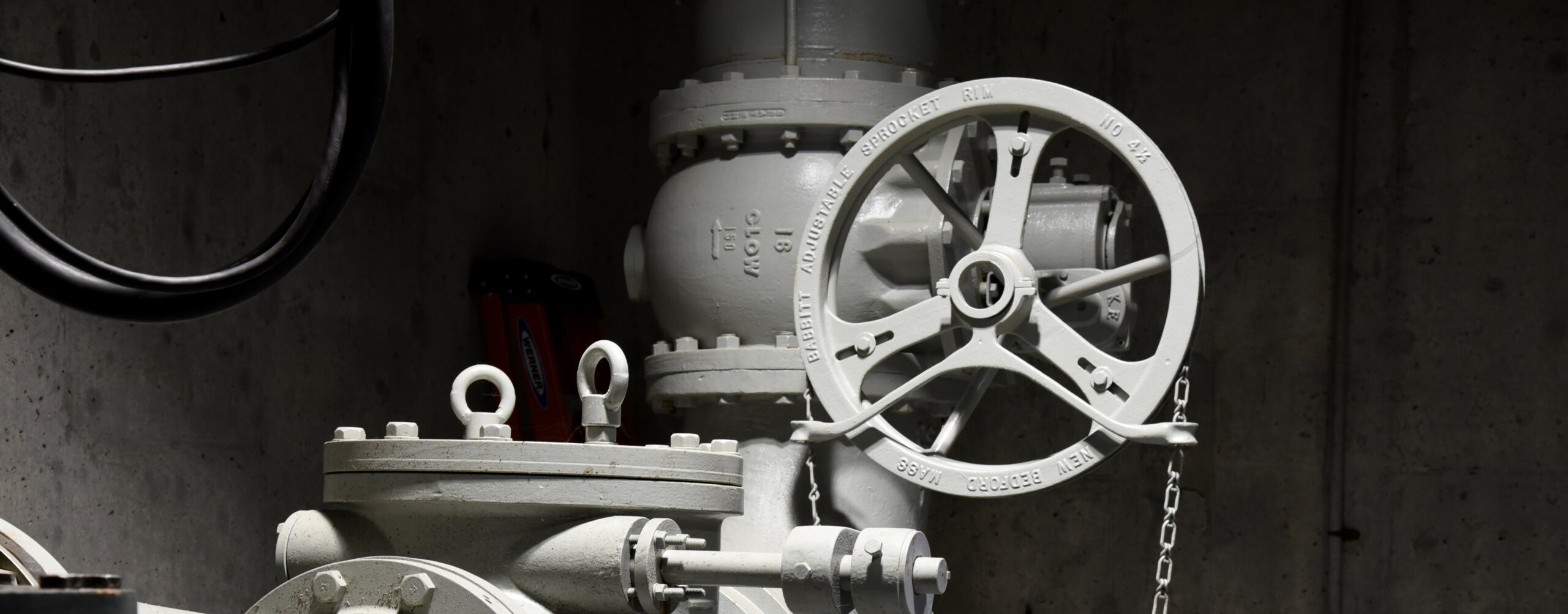
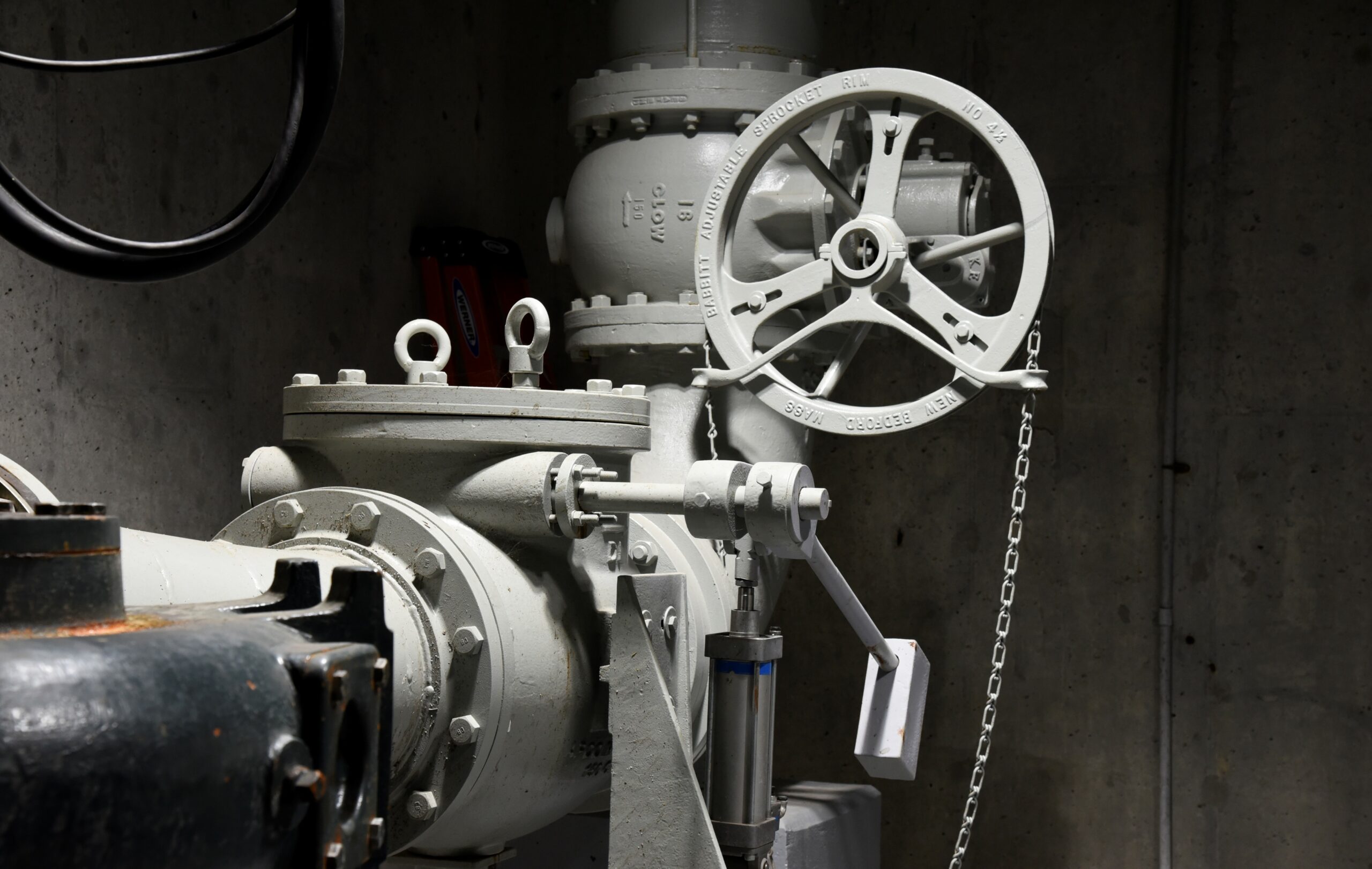
The Sewer System’s Dirty Secrets

As a child, did you ever wonder where your goldfish went after you flushed him? Did you imagine him soaring off to sea through a single pipe that connected your toilet to the ocean? Probably.

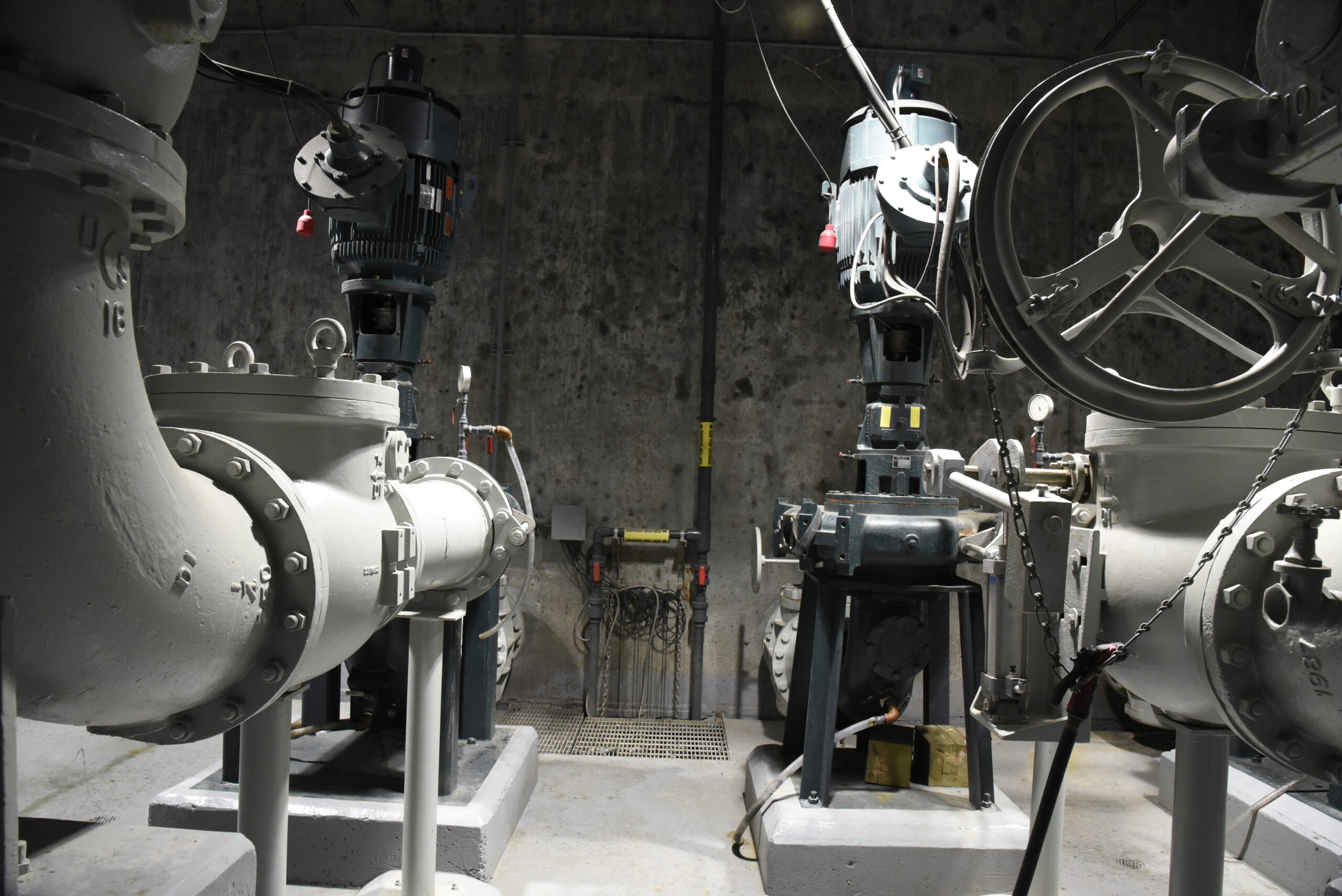
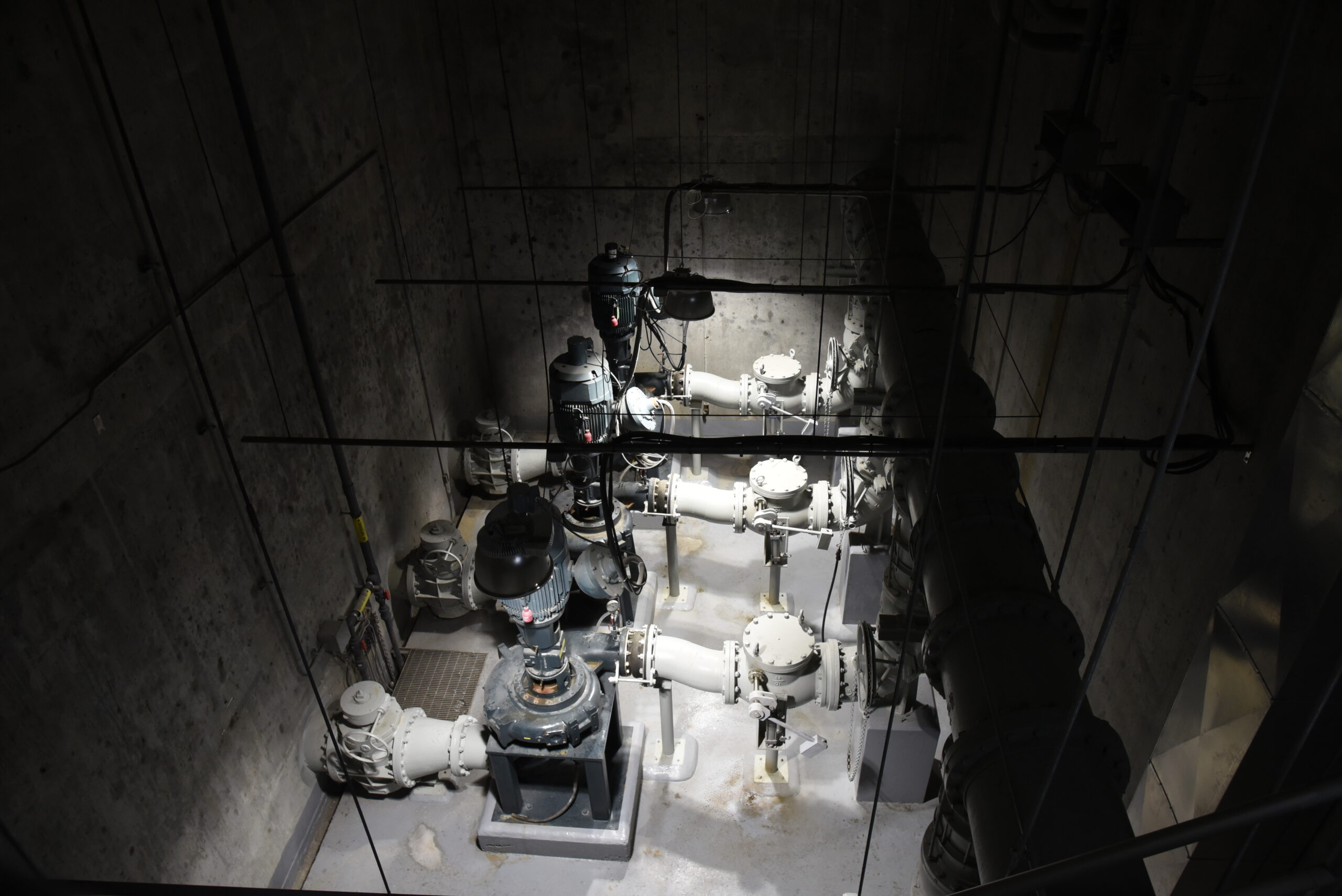
Is that what really happened to him? Probably not. But don’t get too upset, the actual engineering behind wastewater and sewer systems is pretty interesting. In fact, your goldfish probably went on a wild ride! Whenever water or items go down the drain, they are sent through a pipe in the ground to the local sewer system. From there, gravity sends the wastewater down the sewage line towards the treatment plant.

However, most locations aren’t lucky enough to have a plant located at the bottom of a mountain. This is where the real engineering kicks in. Once the pipes get too deep, the wastewater must be pumped closer to the surface so that it can begin its descent again. These pumping stations are part of a force main sewer that pressurizes the water so that it can flow against gravity to the treatment plant at the other end.

Seems simple enough, but sometimes the lines will get clogged by miscellaneous items (like your goldfish) or rags that prevent the water from flowing. In these cases, a pig is sent from the beginning of the line to the end in order to remove the blockage. The pig is a flexible cylinder that moves through the pipes and clears any buildup or blockage it encounters. When the pig emerges from the other end, it brings all the waste with it. Check out this video titled “Sewer Wars” for an out-of-this-world description of the process.

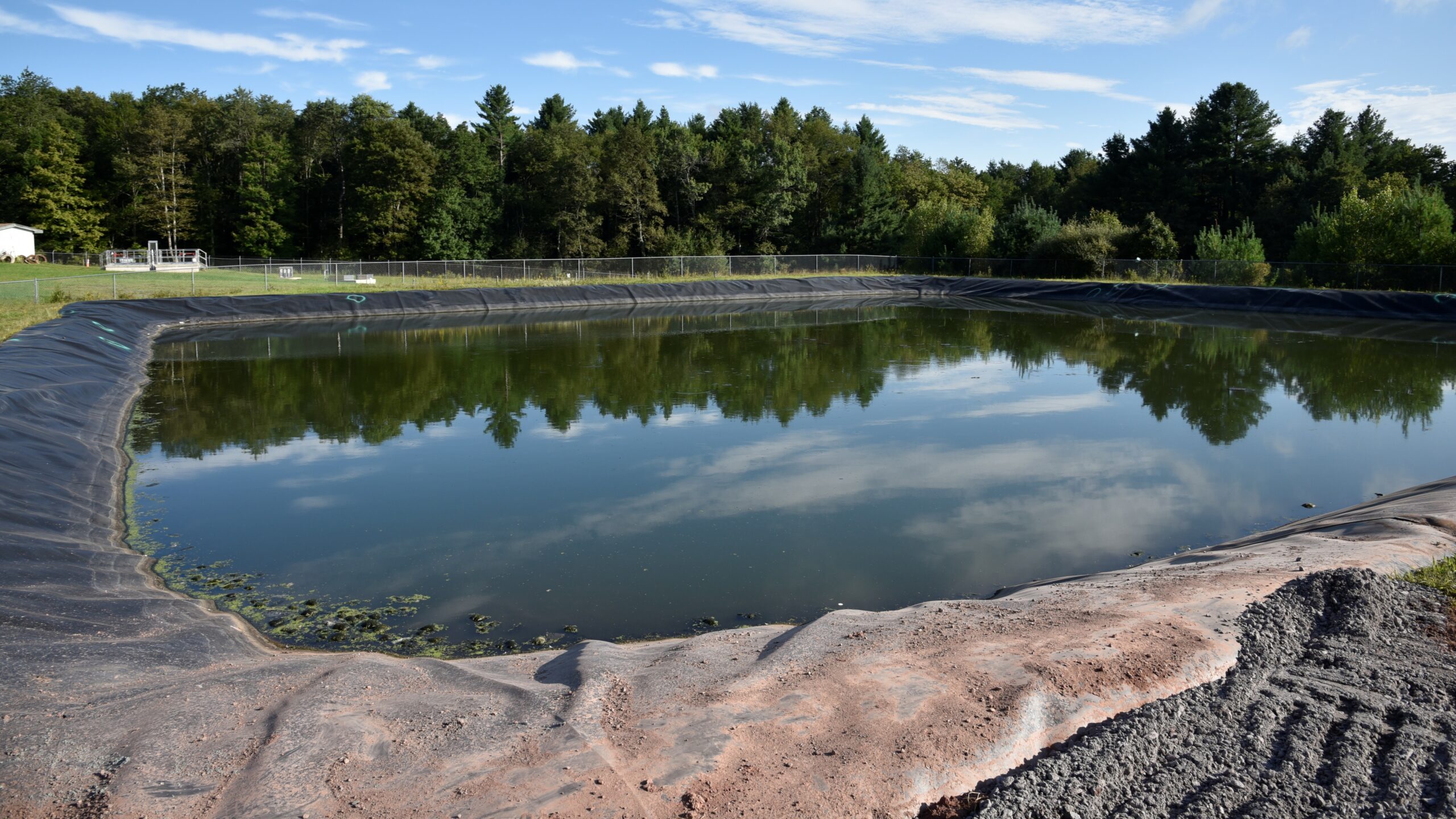
When the water finally arrives at the treatment plant, chemicals and bacteria are used to cleanse the dirty water so that it can be sent back into the environment. After that, the cycle begins all over again.

Engineers use their skills to create complex systems that aid in the day-to-day process so seamlessly that most people don’t even know about them. But now that you do, maybe next time you’ll bring your fishy friend to the ocean yourself. That may be the one thing engineering can’t help you with.


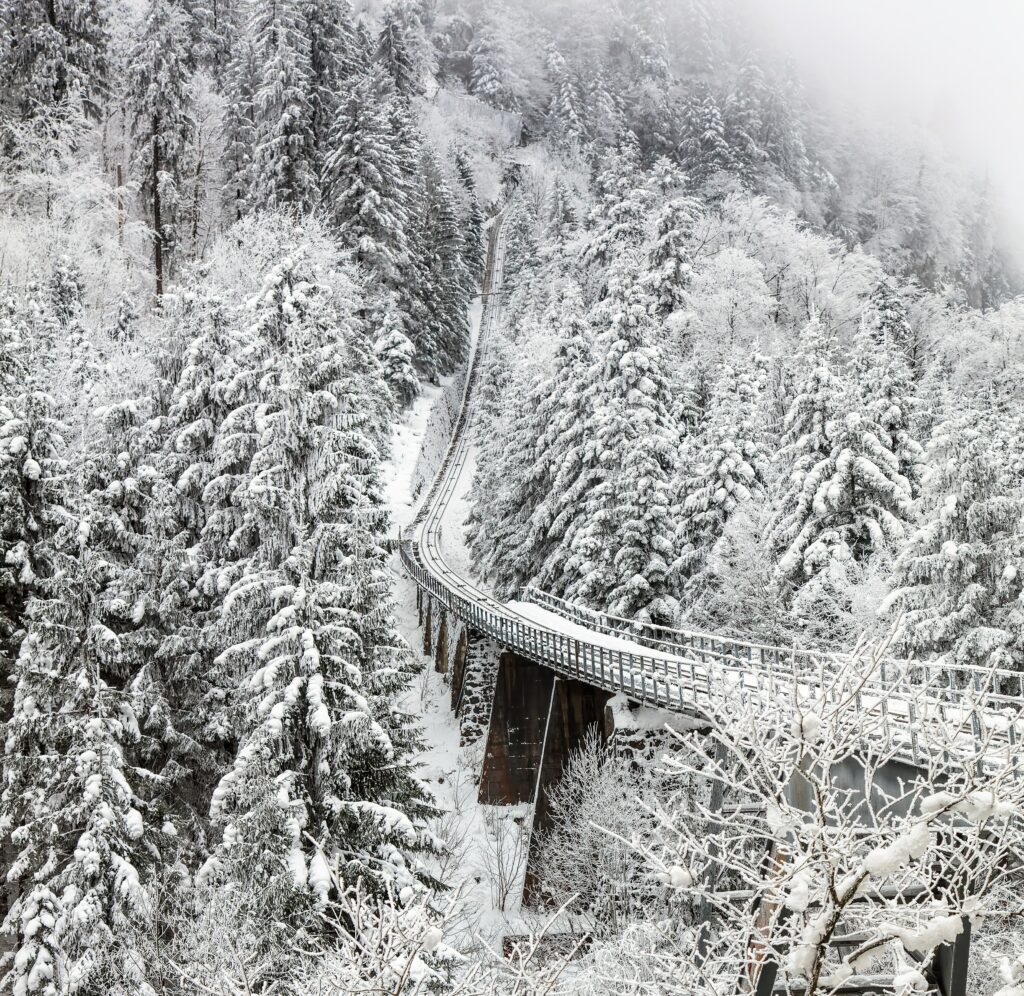
Why Bridges Get Icy Before Roads


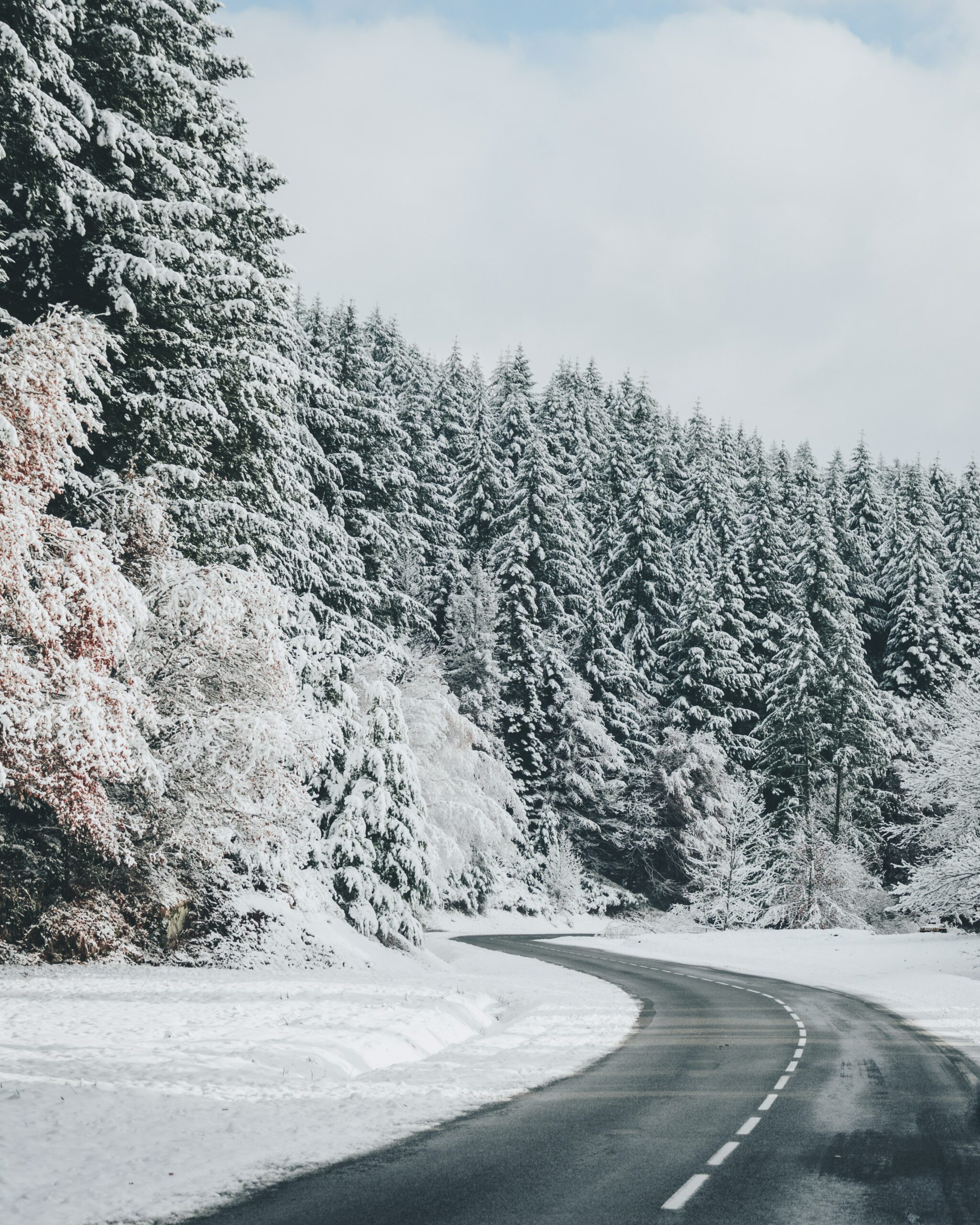
New York winters can be trying. Those of us who live in the Empire State contend with freezing temperatures, snowstorms, ice accumulations, and more.

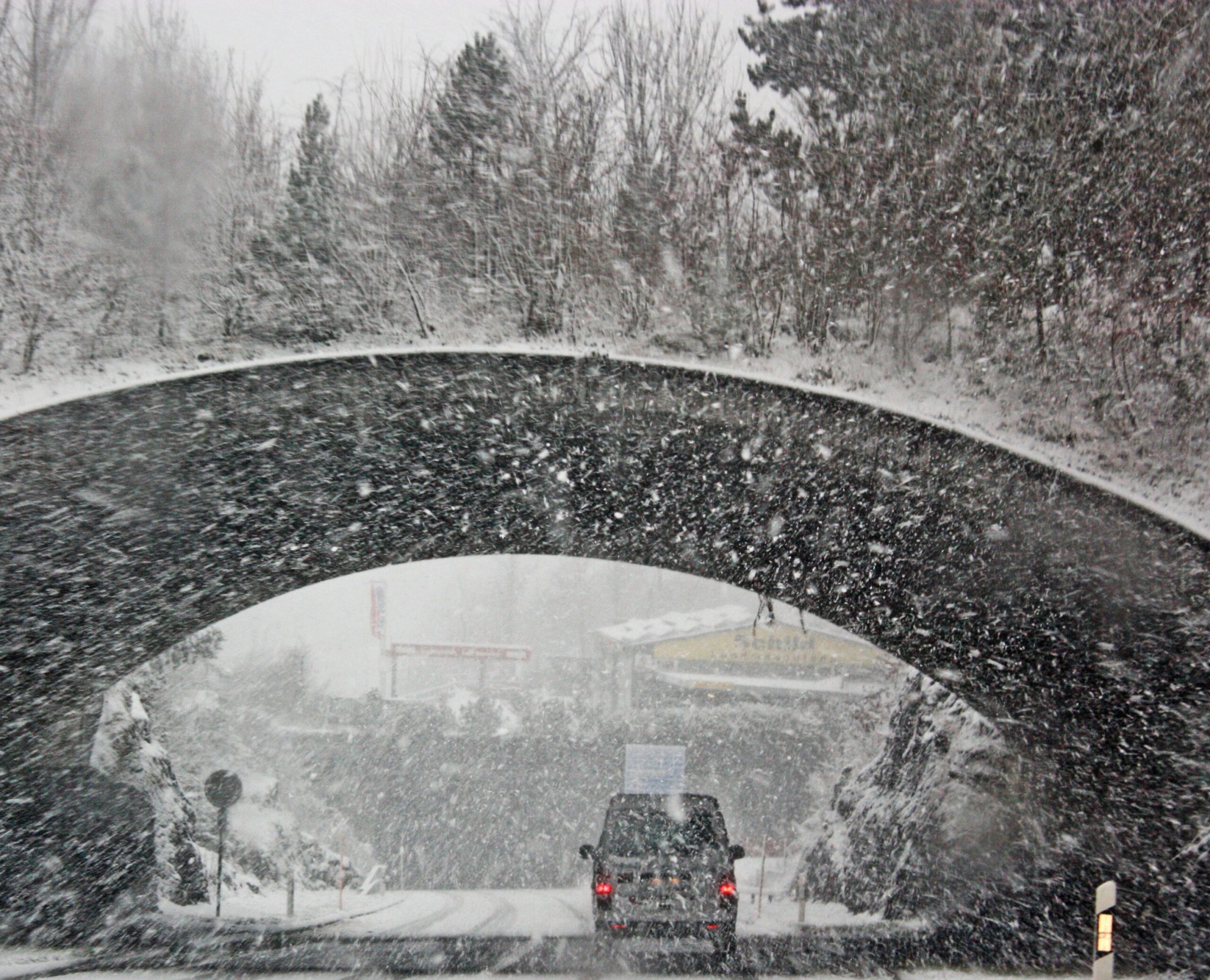
After a significant snowfall, sleet, or ice storm, you’ve probably heard weather forecasters caution drivers of icy bridges. If you’ve ever wondered why bridges get icy before roads, read on.

One reason bridges freeze first is because bridges are more exposed to freezing air temperatures. Cold air exists both above and below the bridge. This assault of freezing temperatures from every angle contributes to surface freezing. While roads also contend with cold air above the surface, the earth beneath roads is better able to retain heat.

Another reason is that bridges are usually made of steel and concrete, which are materials that conduct heat. As such, any heat on the bridge is brought to the surface and quickly dissipates when it is exposed to freezing air. Roads, however, are generally made of asphalt, which does not conduct heat well. Therefore, the heat on the road stays trapped below the surface for much longer. This helps prevent, or at least slow down, surface freezing.

However, heated bridges may be in our future. The Federal Highway Administration (FHWA) has researched and released a report on “Heated Bridge Technology”. Perhaps increased funding for bridge infrastructure projects could eventually make heated bridges a reality in New York.

Until then, remember to slow down and exercise caution when driving over bridges in freezing weather.


Company Holiday Party 2019

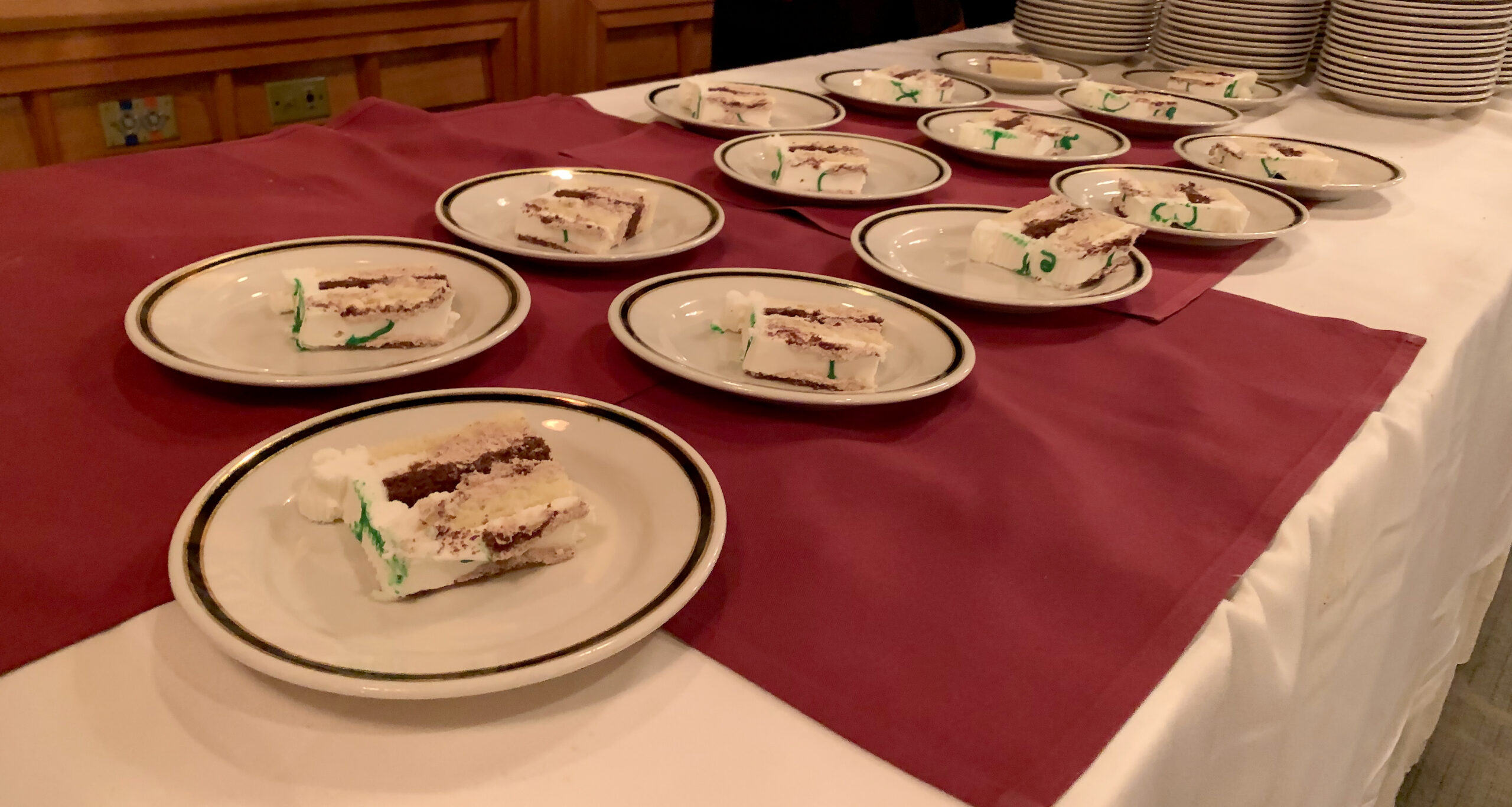
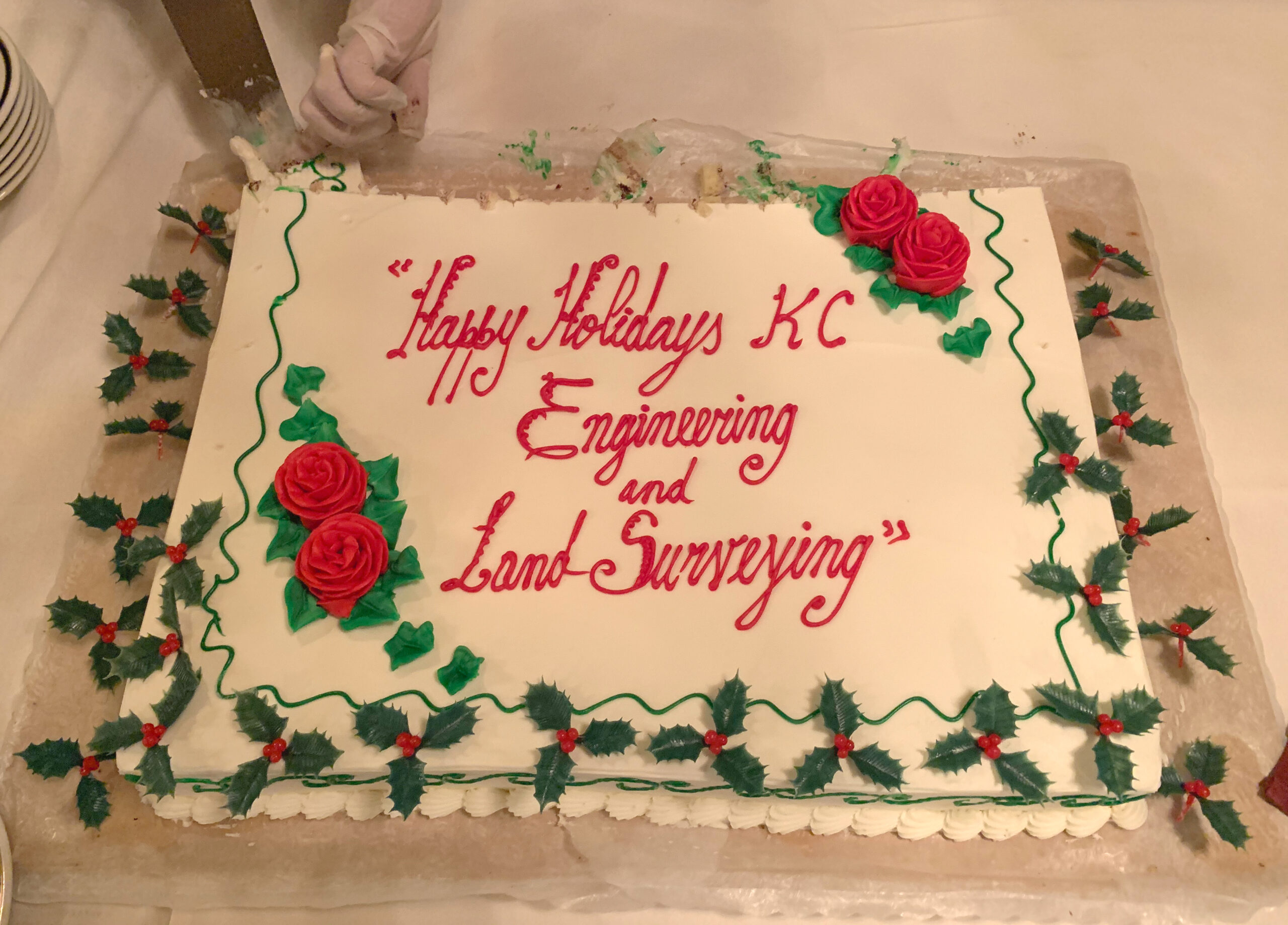
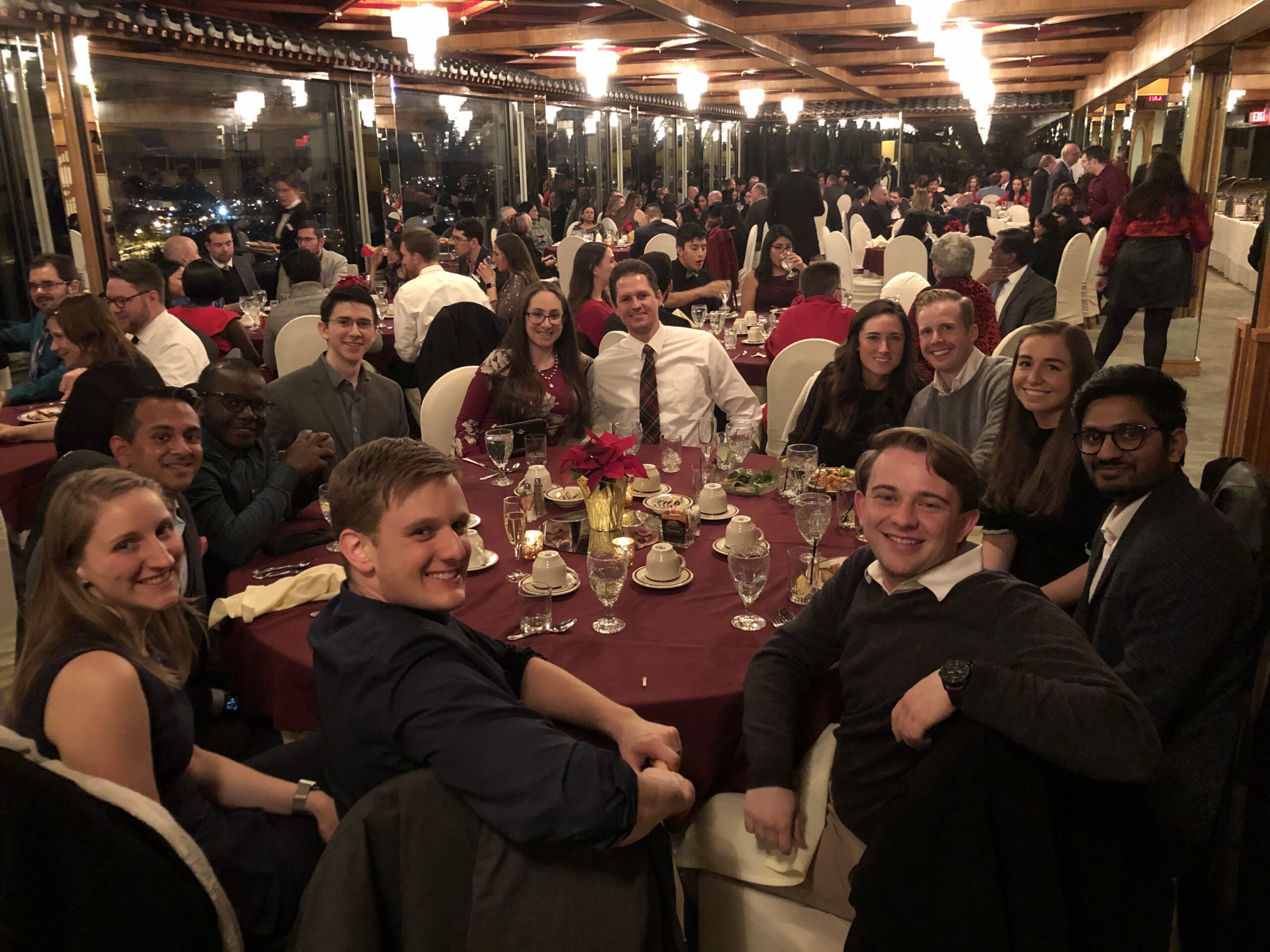
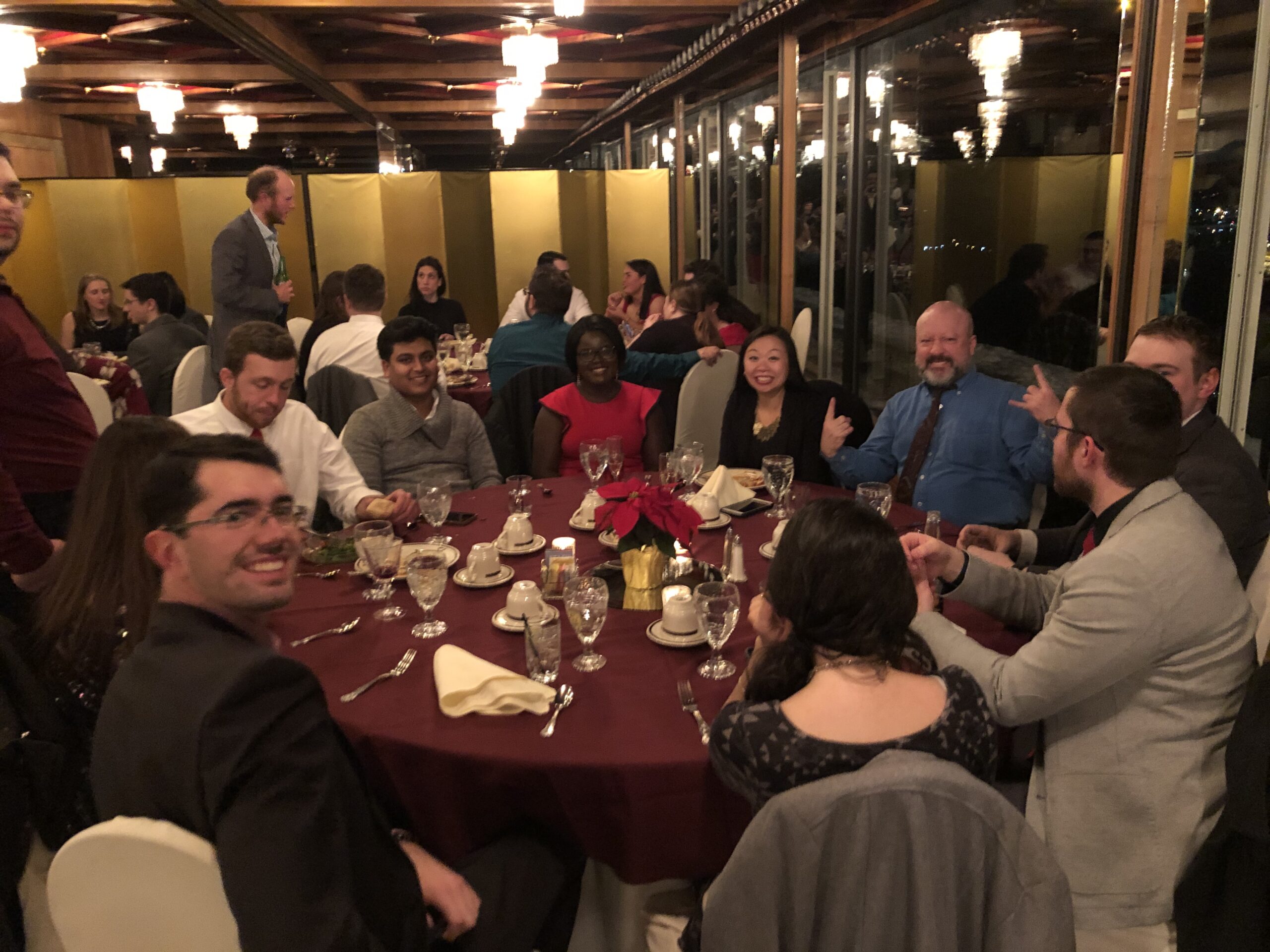
Every year, KC comes together with family and friends to celebrate the holidays and the successful completion of another year! KC held a party for both offices at the Views at Mt. Fuji in Hillburn, NY. Here are photos from the event! KC wishes everyone a happy and healthy holiday season!


Tips for Snow Cleanup


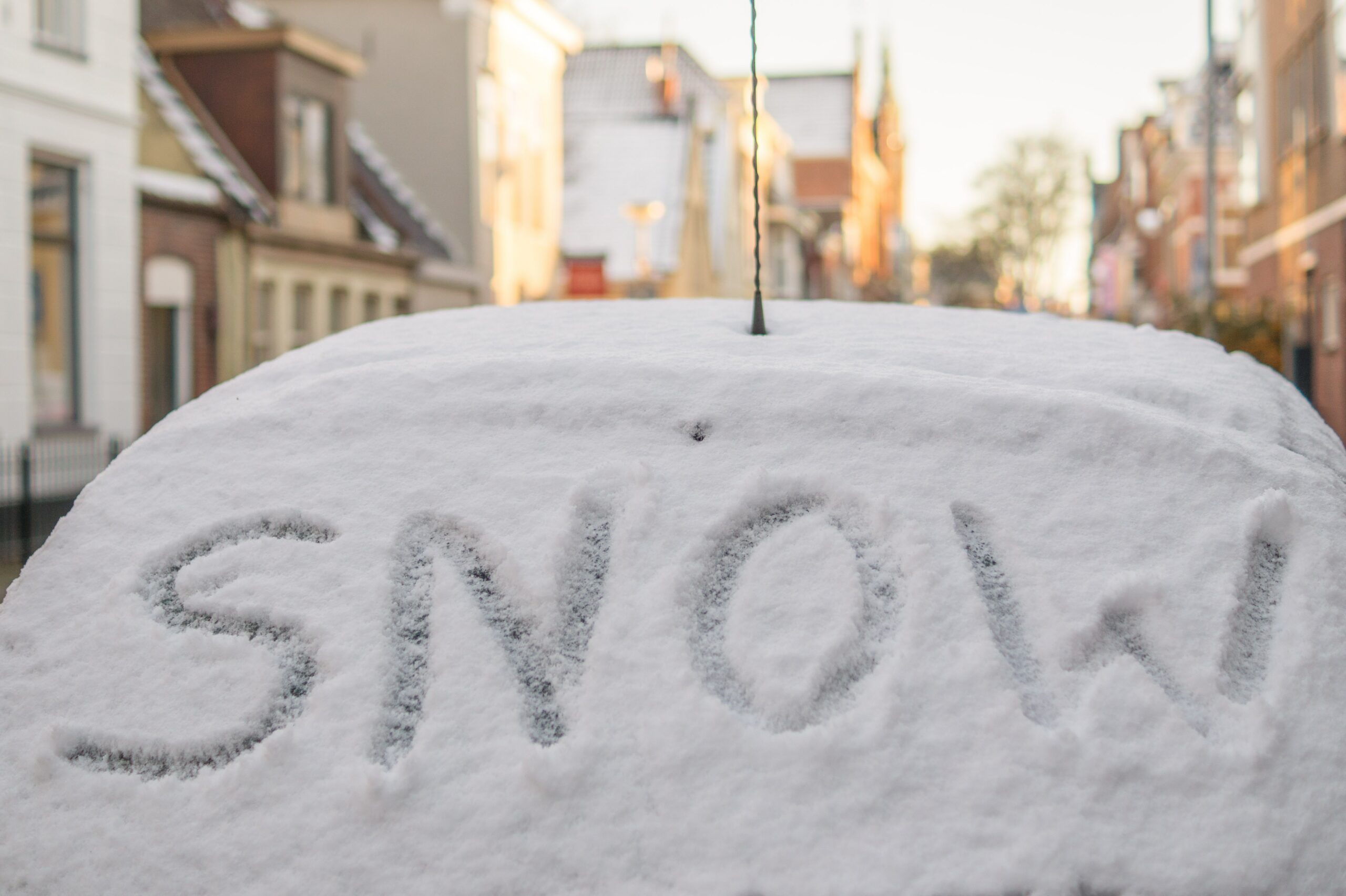
With winter weather in full swing, it’s time to prepare for everyone’s favorite holiday activity: shoveling snow. Rather than soldiering on through blizzards with a shovel and a bad back, why not make the job easier with a few easy tips?

Before the snow falls, take some preemptive action. Clear your yard of anything that you don’t want to get destroyed by snow (or even snow removal), such as hoses, decorations, or dog tie-outs. Stake out garden beds or any portions of your yard that contain elements that cannot be brought inside or stored in a shed. This will prevent accidental snow buildup when it comes time to shovel and dump snow. A little home surveying goes a long way!

If you know snow is imminent and want to lessen the amount of clearing you’ll have to do, consider buying a few waterproof tarps. These can be placed over sidewalks, walkways, and even cars to help protect their surfaces and decrease post-snowfall clearing. Remember to weigh the tarps down with stones or bricks, or to tie them down if being used to cover your car. After the snow has fallen, remove the tarp to reveal a clean walkway or car underneath. It may require a little shoveling to lighten the tarp’s load, but it will provides a protective barrier nonetheless.

If your shovel tosses are getting lighter because snow keeps sticking, consider using a lubricant. WD-40, petroleum jelly, or even some cooking spray can help prevent snow from sticking to your shovel, allowing for more successful scoops. Family Handyman recommends wiping down your tools before storing them to prevent rust buildup and to increase each tool’s longevity.

Rather than using a standard, straight-handled shovel or a snow-blower reliant on gas, consider upgrading to something more ergonomically- and ecologically-friendly. There are a variety to choose from, such as Garant’s sleigh shovels designed to scoop and push while lessening the strain on your back, or even the Snow Bully which uses a set of wheels to act as a small snow plow. If you’re not ready to let go of the snow shovel that has been passed down through your family for generations, consider getting an attachment that will still help lessen the strain on your back, such as an eziMate, which creates an additional point of leverage with a detachable handle.

If you pinched a nerve and it’s flurrying outside, break out the leaf blower to take care of some light dustings. Additionally, a wet/dry vacuum such as a Shop-Vac can be turned into a makeshift snowblower by attaching the hose to the exhaust, pointing, and blowing the snow away.

While enjoying a well-deserved rest inside, be sure to keep an eye on the snowfall. Although it may seem irritating to continuously trudge outdoors to shovel, it’s easier to move light, fluffy snow every few hours than having to somehow lift packed blocks of ice out of your driveway.