Warwick Public Transit Garage Project

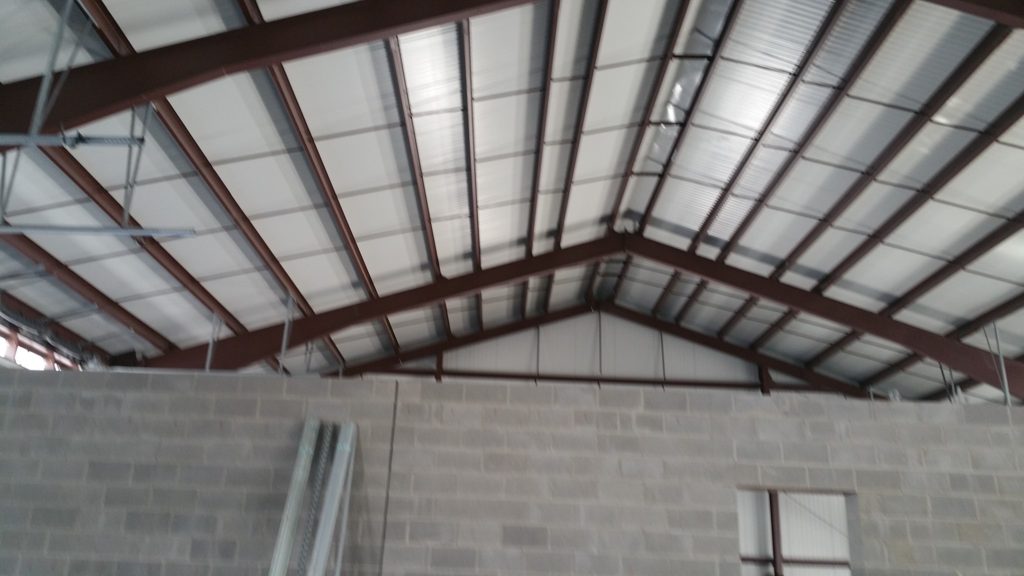
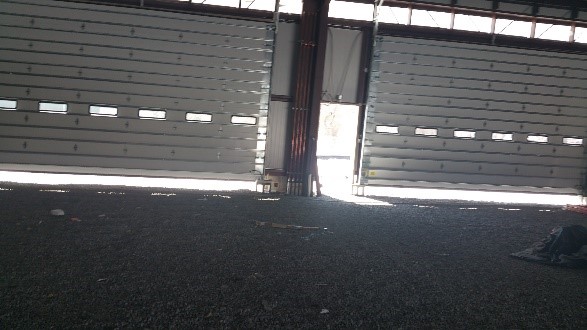
KC provided architectural and engineering services to complete the design of the Warwick Public Transit Garage, including the design of the prefabricated steel building, foundation, and slab on grade; plumbing systems; roof drainage system; heating, ventilating, and air conditioning (HVAC) systems; and other components. Additionally, KC is preparing technical specifications for the project to comply with all current code provisions.

KC committed to delivering a facility with both exceptional functionality and aesthetic appeal. Accordingly, special consideration was given to the rural character intrinsic to the area in addition to the building’s proximity to a main artery to the Village and its placement within the Town building complex.

This project was funded by grants from the Federal Transit Administration (FTA) and the NYSDOT, which were awarded through Orange County. Therefore, the project required close coordination with both the County and Town as well as strict adherence to all FTA, NYSDOT, and local requirements affecting municipal construction projects.

This project was put out to bid, with Verticon Construction of Monroe, NY succeeding with a bid of $2,296,000. This bid is $1 million less than their previous bid on this project when it was first released as a design-build project, which the Town cancelled before releasing the design-bid-build project for which KC was selected. Considering this lower bid and adding KC’s design fee, the new project should realize the Town of Warwick a cost savings of $800,000.

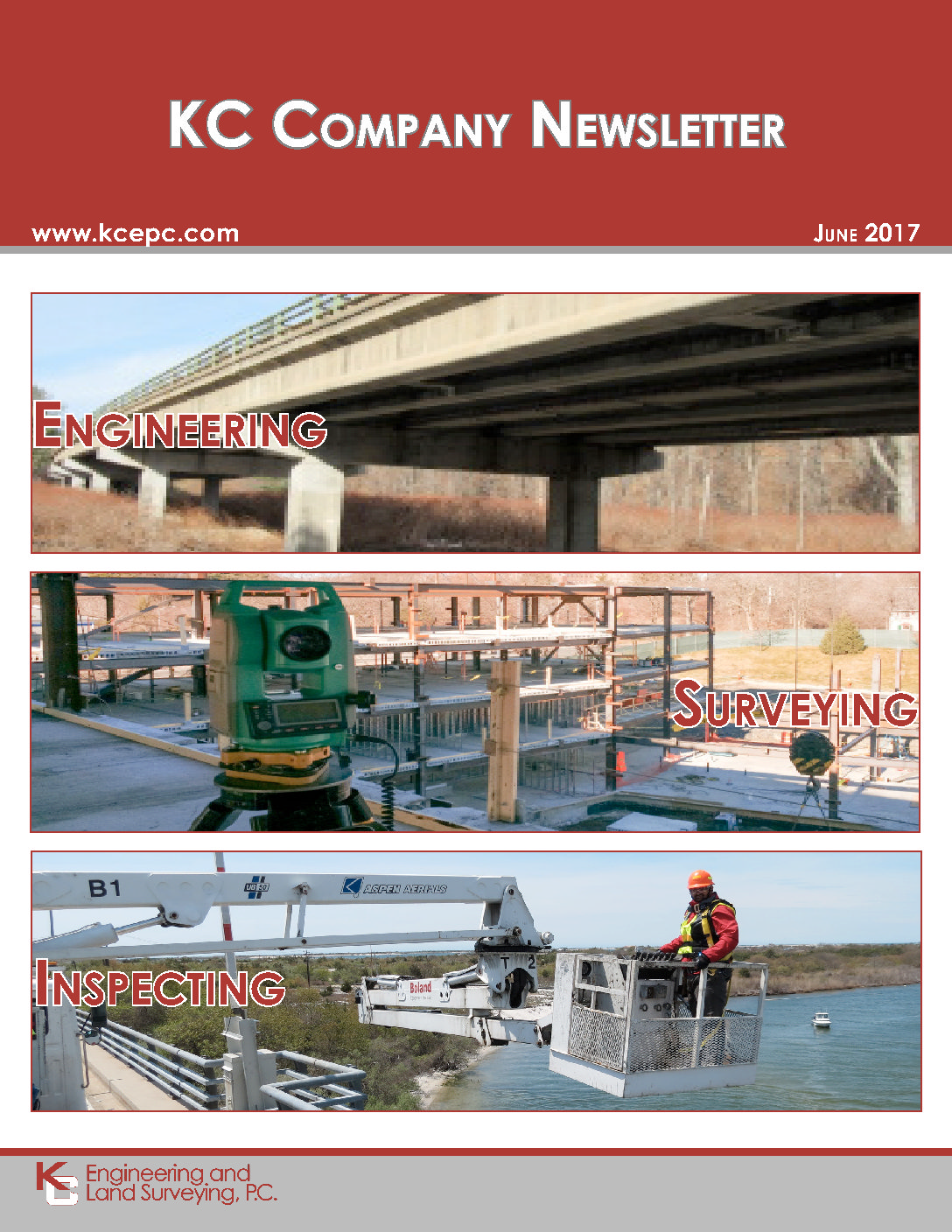
June 2017 Company Newsletter

Download KC’s Company Newsletter – June 2017 edition to keep up with KC’s latest news!


What type of equipment do surveyors use?

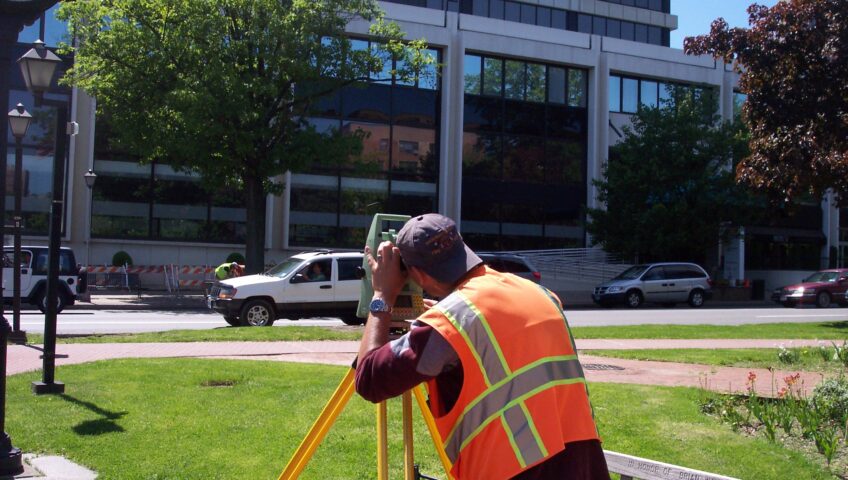
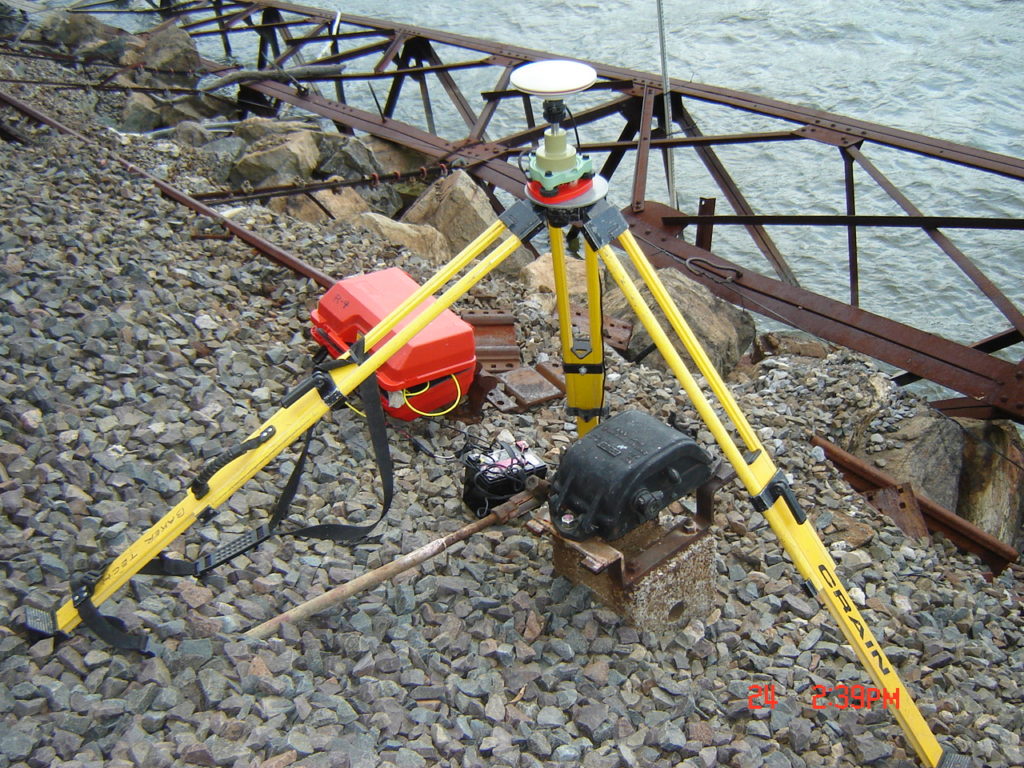
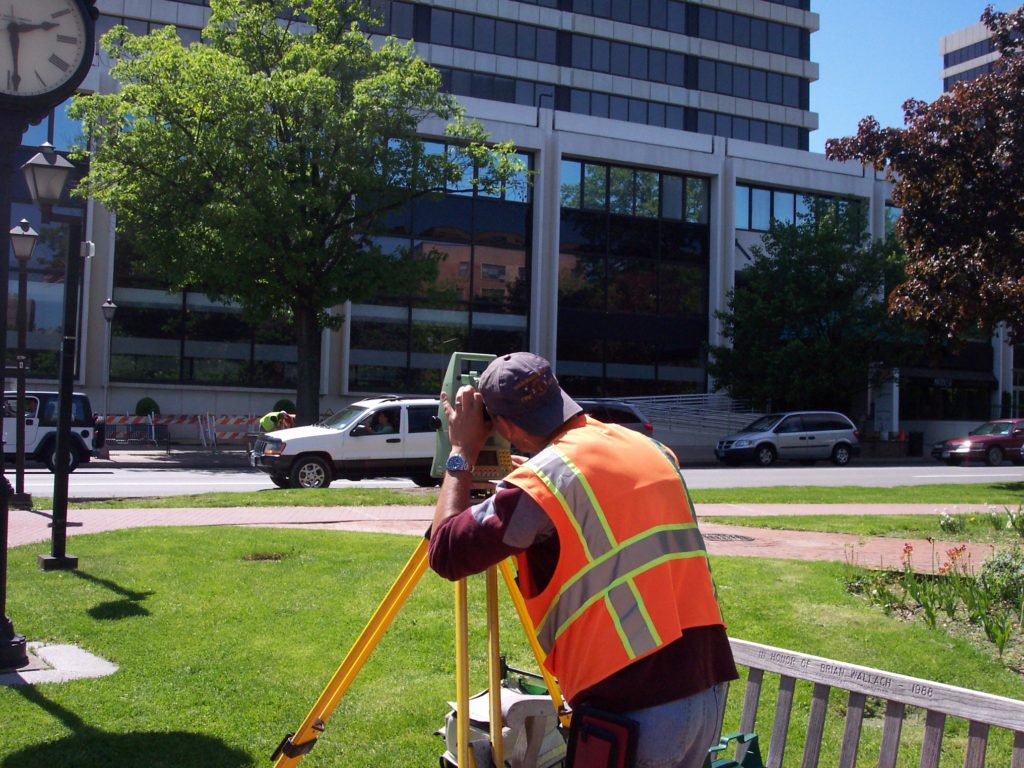
Land surveying is one of the oldest professions in the world, dating back to ancient times. Surveying illuminates the features of a property, outlines property boundaries, locates underground utility lines, and so much more. So what type of equipment do surveyors usually take out into the field? We decided to ask our survey crew and here is what they had to say:

“What an interesting question because it can be interpreted in different ways. Does it mean the survey equipment we utilize or is it the clothes and features we wear on a daily basis? I guess we can account for both ends of the spectrum because surveying equipment and our own personal equipment go hand in hand.

We’ll start with our basic personal equipment. Unfortunately, as surveyors, we are constantly in the field so our attire isn’t always office appropriate. Whether it’s a ragged shirt with torn jeans or a t-shirt with holes, our field attire is not really ideal to wear in a professional office environment. The same could be said for wearing nice, respectable clothing while performing fieldwork. No one wants to survey in khakis and a button down shirt. That’s why we always keep a spare change of work clothes, just in case we do need to perform fieldwork in an emergency. This means we can dress respectably in the office and still have the option to change into field clothes.

As far as personal gear, safety is always a priority. We constantly keep our orange vests in our packs as well as our hard hats and boots. Using proper footwear while surveying in the field is essential. There’s a lot of standing and walking, so a good pair of boots goes far. Additionally, we may have our own tool belts as well as safety glasses. Again, safety is always a top priority so you’ll always find these either in our backpacks or survey truck.

Shorts are not a recommended item of clothing because half the time we’re walking through tall brush and need to be cognizant of ticks. You’ll also find bug spray, sunblock, and sanitary hand wipes. Some other items you may find are a magnetic compass, a small mini reflector prism, and a 25-foot steel tape.

As far as the typical surveying equipment, there are our surveying instruments:

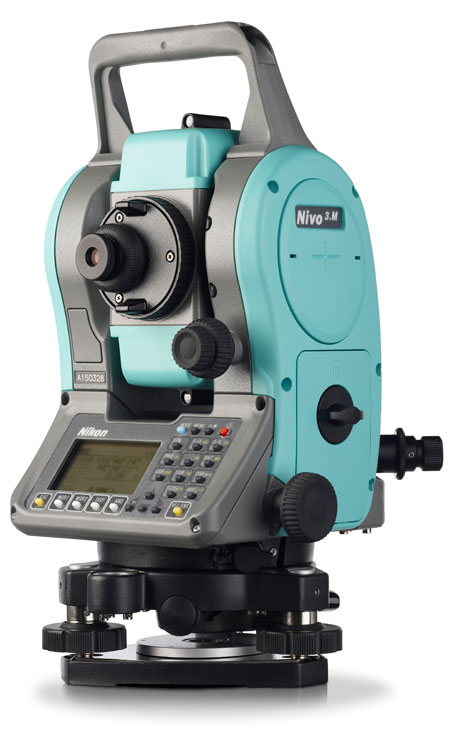
  • The Nikon Nivo 2C; and
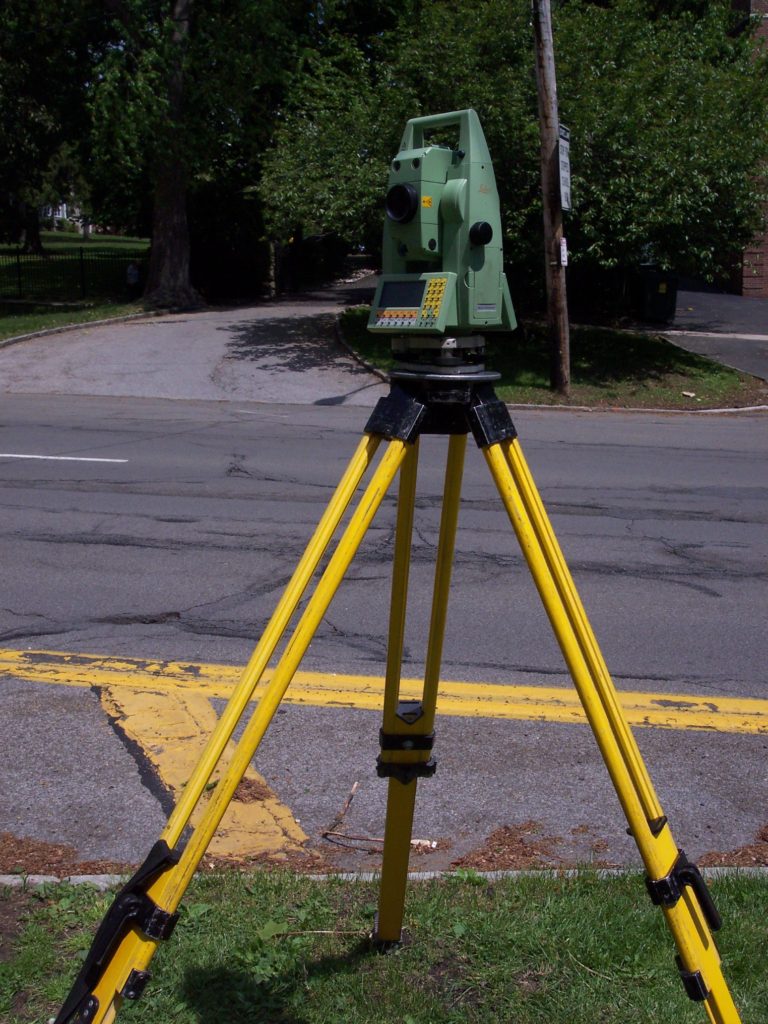
  • The Leica TCRA 1103 Plus robotic instrument.

These are the two instruments used by the field crews on a daily basis for collecting data. However, the instruments are always brought inside at day’s end and are never left in the survey truck. Tripods, prism poles, and various other tools can be found in the bed of the survey truck.

All of these items get used in different ways but are essential to performing the duties of a surveyor."


Getting to Know KC’s Engineers

While we don’t often think about it, engineers are at the heart of our everyday lives. They’re the ones responsible for designing our worlds, from the water we drink and the roads we travel to the faucets we run and the cars we drive. It takes a special kind of person to be an engineer, someone dedicated to using their skills and knowledge to develop solutions to everyday problems. We chatted with some of our engineers to learn why they entered the field:

“I studied engineering because I wanted an academic challenge that would ultimately prepare me for employment and a career. I selected civil engineering because I like practical three-dimensional solutions. I chose consulting as I wanted to find varied projects and I have. At 30 years into my career, I still enjoy finding practical solutions. I also enjoy being an advisor to clients and a mentor to staff.” – Nancy Clark, Civil Engineer

“My fascination with miniature/model structures and Legos is what inspired me to want to build or design structures as a young kid. I was also fortunate enough to have great guidance and encouragement to pursue becoming an engineer at a young age.” – Julian Llorente, Structural Engineer

“My interest in engineering began with seventh grade woodshop, where newly acquired skills allowed me to begin experimenting with designing and building, with functionality being the goal. The hands-on aspects of technology class, combined with a preference for math and science, led me to pursue a Bachelor of Science in engineering.” – Mike Tamigi, Electrical Engineer

“I grew up in a large and poor family, I had to build my own toys. I guess that made me believe there is always a solution, I just have to look for it.” – Jamil Yousef, Structural Engineer


Wappingers Falls Conditions and Asbestos Field Survey Project

In October 2015, KC and its subcontractor performed condition and asbestos field survey work and a report in preparation for building demolition at 2694 West Main Street. Asbestos-containing materials were found. The multi-family residential structure with attached garage was demolished, which included necessary asbestos abatement prior to demolition. The vacant parcel was transferred to the Village by the owner upon completion of the demolition.

In January 2017, KC and its subcontractor performed condition and asbestos survey field work and a report in preparation for building demolition at 2696 West Main Street. Asbestos-containing materials were found. The Village owns this parcel and is now pursuing building demolition of the main building, which is a multi-family residential structure and an accessory building that includes additional residential units and a garage. Demolition will involve necessary asbestos abatement.

The demolition work at both 2694 and 2696 West Main Street is in preparation for the future Franny Reese Park site adjacent to Wappinger Lake and the Village of Wappingers Falls Dam, and detailed design for the park is currently underway.

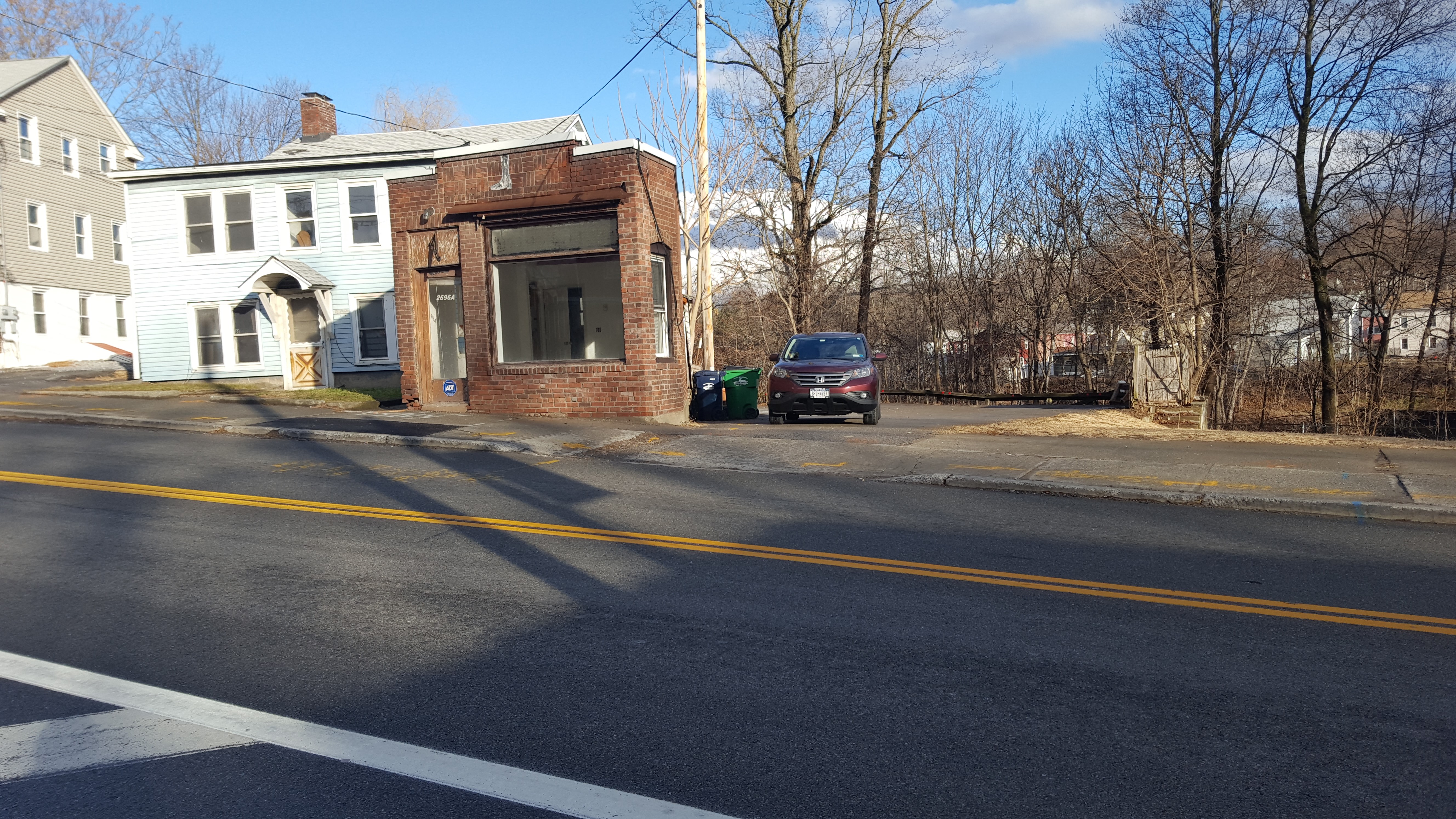
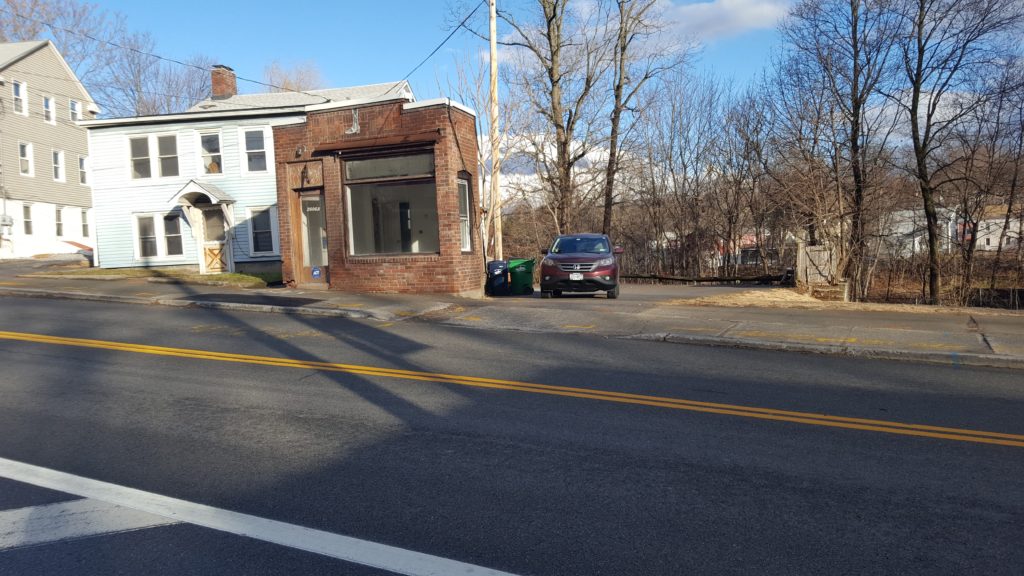
At 2696 West Main Street, there is also a brick building, which will not be demolished as it will be retained as a design feature at the entrance to the new park.

For both sites, KC performed inspections, prepared reports, developed cost estimates, and obtained quotes for the demolition. KC also performed inspection services during the demolition of 2694 West Main Street.