Overnight Freight/UPS Freight Project

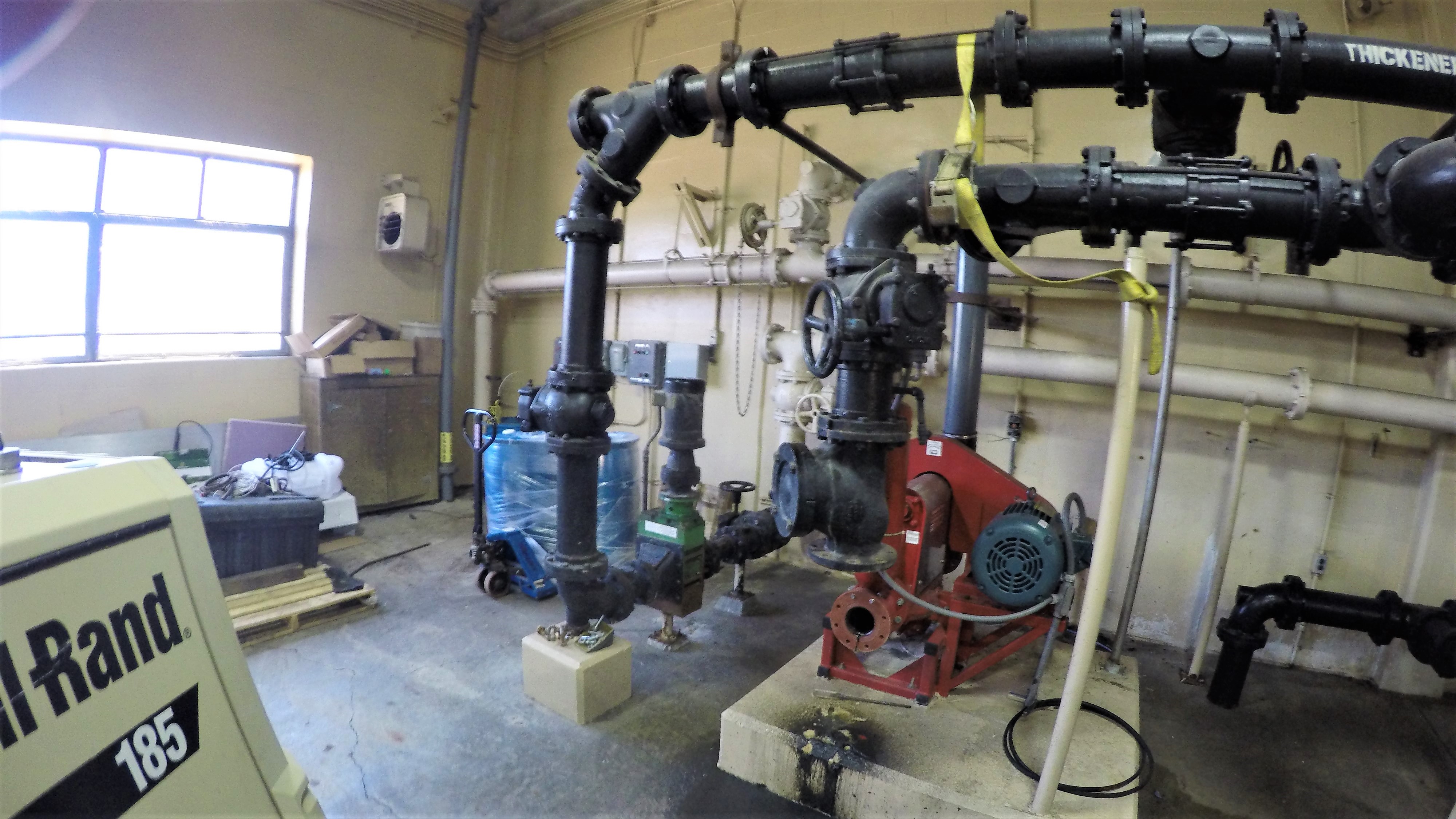
The site is located along the northerly side of County Route 99 in Montgomery, NY. The parcel also abuts Interstate 84 to the north. Regional Builders, Inc. constructed a 93,500-SF freight transfer facility. During the approval process, three wells were drilled. Two of the wells were dry wells. The third well was drilled to a depth of 500 feet with 80 feet of casing. The facility has an average water demand of 2,550 GPD and a maximum water demand of 5,200 GPD.

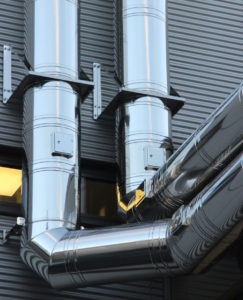
All water quality parameters were within the recommended limits for drinking water, except for chloride and hardness levels. KC designed a treatment system to treat the water for the chloride levels that were found in the water with a reverse osmosis system. The overall system includes a green sand filter as well as a water softener for hardness reduction to pretreat the water prior to the reverse osmosis system duplex softening system in the treatment building. A separate treatment building at the facility site houses the green sand filter, water softeners, reverse osmosis system, hypochlorinators, chlorine contact tank, and the variable-speed pumping system. The water quality, after treatment for chloride, is now acceptable according to New York State Department of Health standards.

The Importance of Public Works

What are public works?

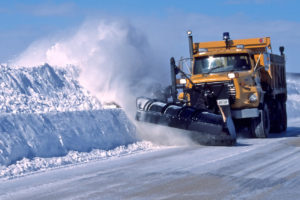
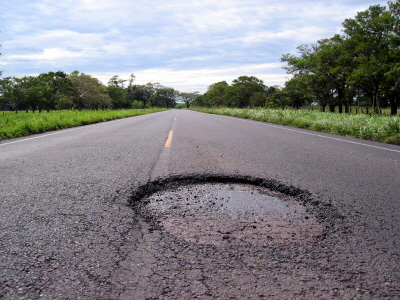
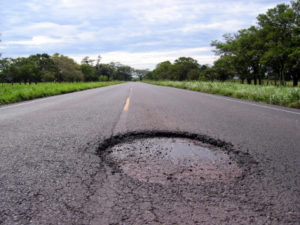
Public works include a broad range of services that our municipalities provide to us every day. From water and sewer services, to sanitation, to salting and plowing the roads in the winter and making sure potholes are filled in the spring and summer. Public works keep our cities and towns running smoothly and efficiently.

Who performs public works?

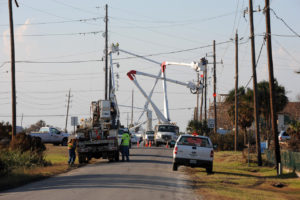
Some public works roles are filled by municipal employees, like water plant operators; others are filled by public utility employees, like Orange & Rockland workers; still others are filled by employees of companies such as engineering firms and construction contractors.

What do public works employees do?

In many instances, they are on call and must be ready to respond to a water main break, plow the streets during a blizzard, repair a sewer line, or repair power outages after a thunderstorm. Those who are involved in the public works field work behind the scenes to make sure that residents are able to enjoy the basic necessities and the quality of life that is expected within a municipality.

Without public works, potholes would incapacitate vehicles. Without public works, garbage would not be collected but would instead be allowed to pile up, leading to a rampant increase in the rodent and wild animal population in residential areas and ultimately lead to a rise in illness and disease. Public works employees may not always enjoy the limelight, but their jobs are of the utmost importance.

As we enjoy running water, paved roads, and electricity, we should take a moment to appreciate the people who work behind the scenes, sometimes tirelessly, to provide us with these necessities.


South Brooklyn Marine Terminal Surveying Project

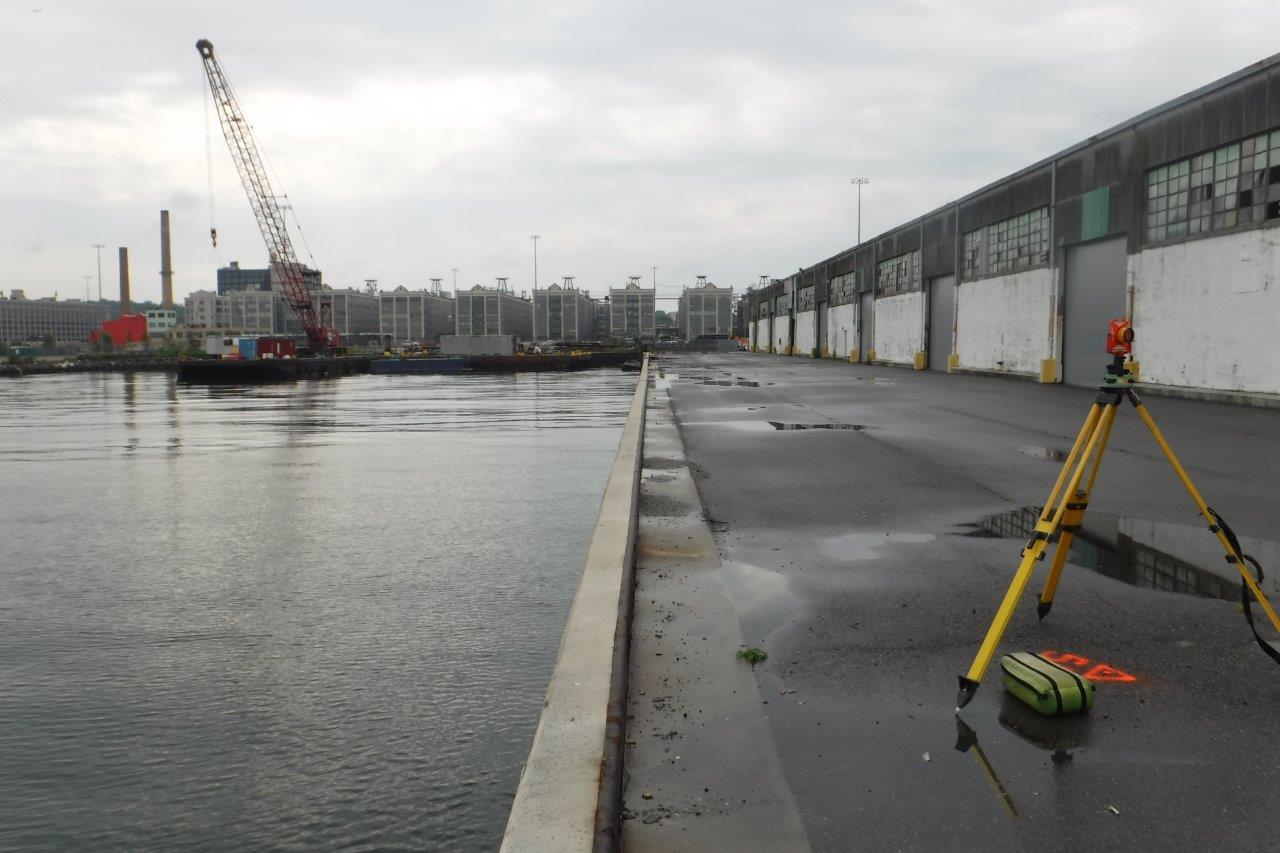
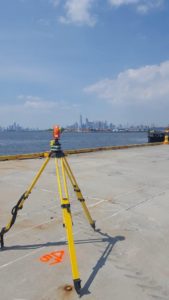
KC performed a boundary survey for the South Brooklyn Marine Terminal (SBMT) located in the Sunset Park neighborhood of Brooklyn. This survey consisted of surveying the 144-acre port, which is on the Gowanus Bay and includes 96 acres of dry land. This project required extensive record research to recover property records on the SBMT and adjoining properties. The survey work required KC to resolve the boundary of the property as well as locate all features on and adjoining the premises. The purpose of the survey was for the NYCEDC to have a proper survey of the property so it could easily lease portions of the terminal in the future.

In conjunction with the boundary survey, KC performed a topographic and utility survey for a portion of the SBMT for AKRF. This survey was for the purpose of SIMS Municipal Recycling to expand their state-of-the-art material recovery facility located at the terminal. KC was tasked with researching existing utility maps and working with a SUE contractor for locating said existing utilities. KC provided AKRF with a base map for the design of the extension of the SIMS facility.


Town of Wallkill Sludge Dewatering Project

The existing dewatering equipment at the Wallkill Wastewater Treatment Plant was 26 years old and in need of replacement. The equipment is operated seven days per week for six hours per day. Current operators were unable to produce a sludge cake with greater than 13% solids, resulting in very high disposal costs.

An evaluation was performed to determine the most effective means of dewatering. Adjustments to MLSS and volatile solids of sludge were made and sludge was processed by multiple vendors utilizing centrifuge, screw press, and belt press equipment. Based on the study, KC recommended installation of the new belt press.

KC replaced the existing two-step dewatering system with a one-step dewatering system. The existing system pumped the sludge from a holding tank with polymer added and sent it to the gravity belt thickener; then it was pumped to a second holding tank. From the second holding tank, the sludge was pumped with polymer added to the belt press. The sludge was finally deposited into the dump trailer below.

The new system pumps sludge from either holding tank with polymer added to the combination gravity / belt press unit to a conveyor system to be deposited in the dump trailer. The existing polymer system, which consists of four 1,000 gallon mixing tanks with polymer, was replaced with two small polymer mixing systems, reducing the start time of the dewatering process. The existing polymer pumps were no longer needed and only two sludge pumps were required. The new system is capable of dewatering the same amount of sludge in half the amount of time as the old system with more consistent output. The new equipment produces a sludge cake with up to 18% solids, reducing disposed costs by up to $100,000 annual of current rates.


5 Famous Civil Engineers You Should Know

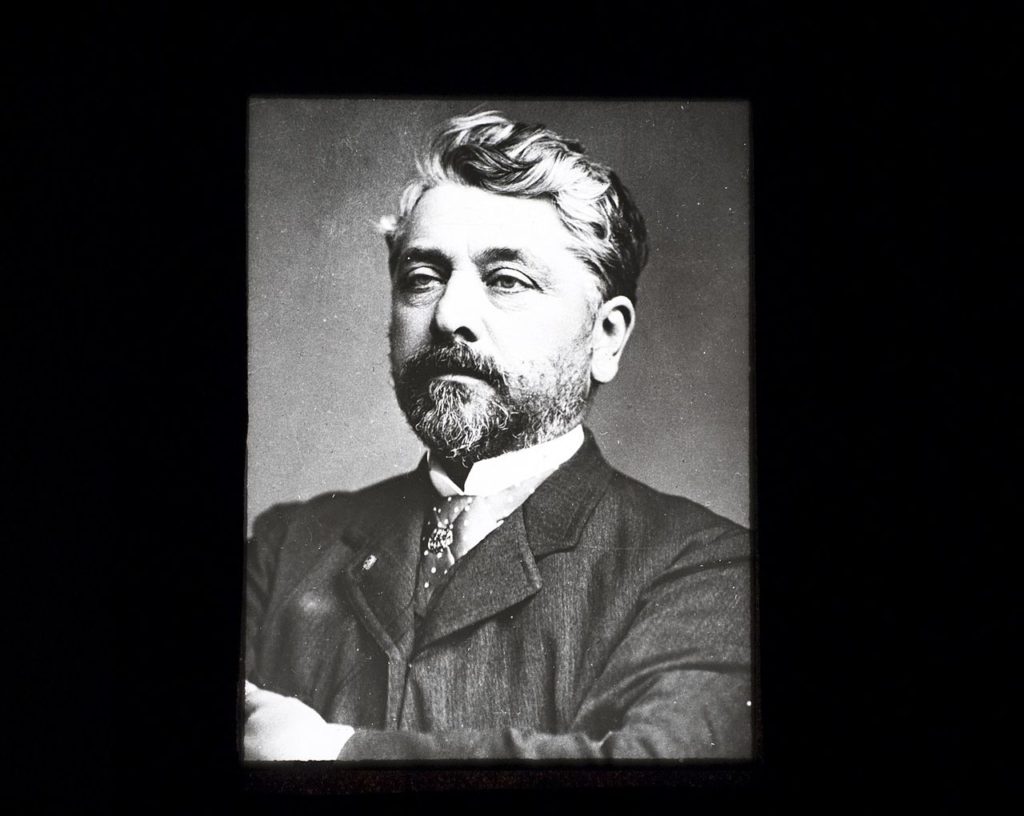
Gustave Eiffel (1832-1923): A renowned French civil engineer and architect, Gustave Eiffel is remembered as “the Magician of Iron.” Can you guess which famous iron structure this magician cast? Indeed, his masterpiece is the Eiffel Tower. During and after its construction, thinkers of the time criticized the tower’s ambitious design. Some even protested the tower, claiming Eiffel was blatantly disregarding the principles of physics to create an artistic form. However, his design for what was then to be the tallest tower in the world accounted for the real-world conditions that it would need to withstand:

Is it not true that the very conditions which give strength also conform to the hidden rules of harmony? … Now to what phenomenon did I have to give primary concern in designing the Tower? It was wind resistance. Well then! I hold that the curvature of the monument's four outer edges, which is as mathematical calculation dictated it should be … will give a great impression of strength and beauty, for it will reveal to the eyes of the observer the boldness of the design as a whole. – Gustave Eiffel

Thanks to both Eiffel’s genius and his boldness, the Eiffel Tower today enjoys a coveted spot on the list of the Seven Wonders of the World, and it remains a veritable global icon.


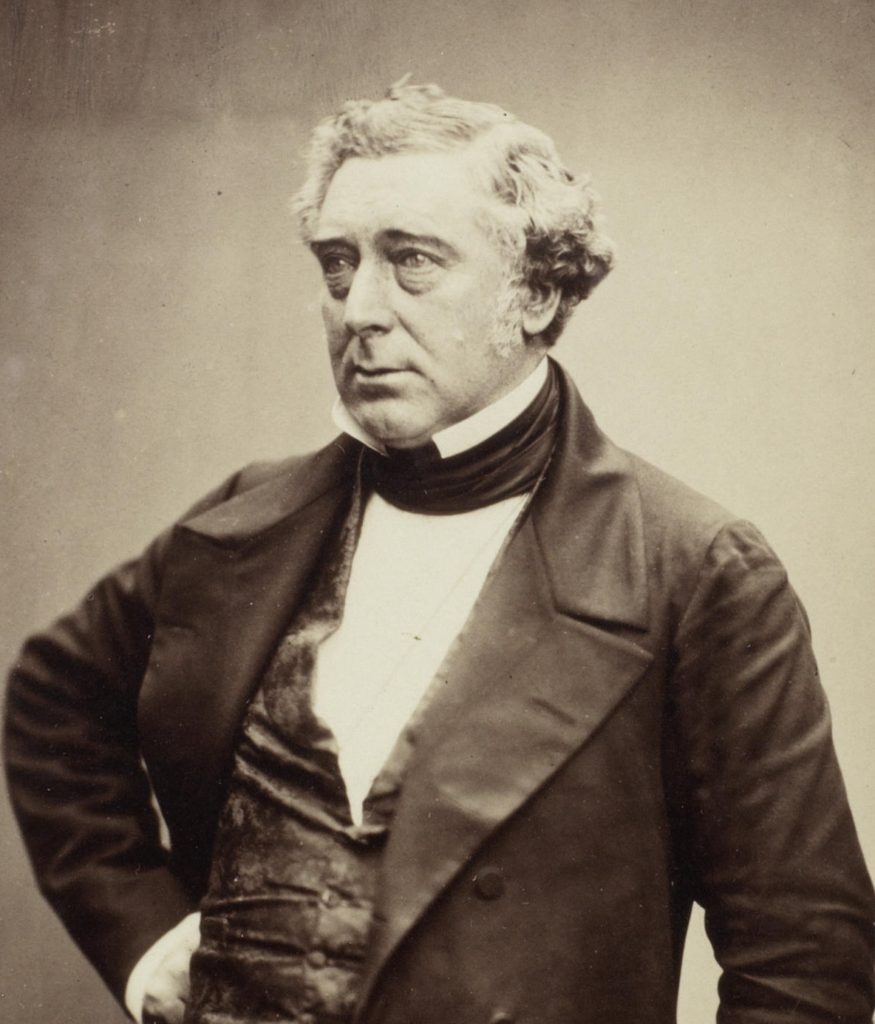
George Stephenson (1781-1848): George Stephenson revolutionized transportation and urban infrastructure by creating the world’s first public inter-city railway line that used steam locomotives. This British Engineer, often referred to as “The Father of Railways,” is also credited with devising the historic measurement of the rail gauge at four feet eight-and-a-half inches, which became the standard railway gauge measurement worldwide.

Isambard Kingdom Brunel (1806-1859): A celebrated experimenter and risk-taker, Isambard Kingdom Brunel was the man behind the Great Western Railway, the company that connected London to the west part of England. His unconventional thinking led him to many firsts: from being the first engineer to envision building a tunnel under a river to playing a key role in the development of the first propeller-driven iron ship.


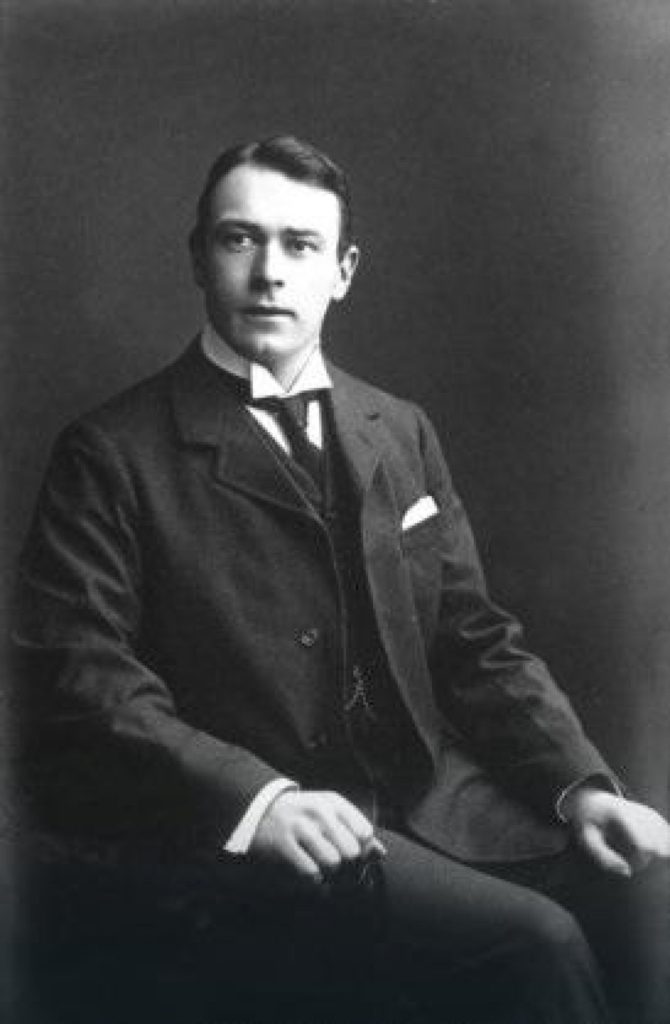
Thomas Andrews (1873-1912): Thomas Andrews was the principal architect for the infamous RMS Titanic. He was aboard the ship during its maiden—and only—voyage in 1912, and when the ship hit an iceberg, he calculated that it would sink within a few short hours. Survivors’ accounts tell of Andrews bravely alerting passengers of the imminent danger, urging women and children to board the severely limited number of lifeboats. Andrews was also said to have suggested more than twice the number of lifeboats the Titanic was given and a double hull and watertight bulkheads during planning and construction, suggestions that were rejected. He perished in the ship’s sinking, a harsh lesson in the consequences of industrial hubris, prioritizing profit over safety.


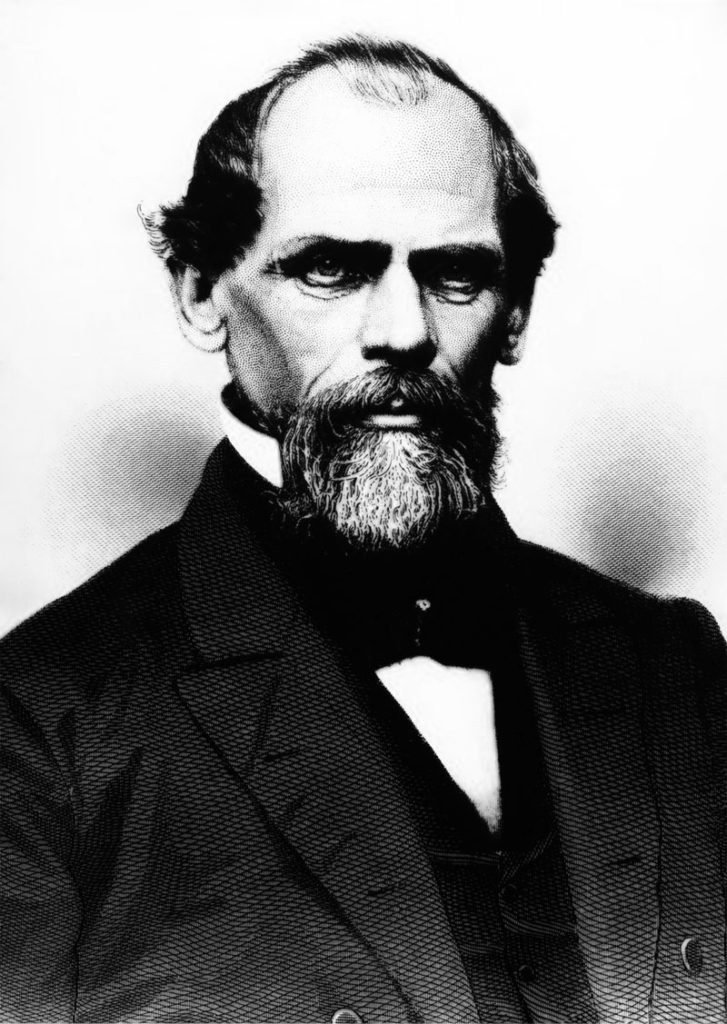
John Augustus Roebling (1806-1869): A Prussian immigrant renowned for his suspension bridge designs, John Augustus Roebling discovered a method of twisting iron together to create a “wire rope,” which he manufactured and used to construct durable suspension bridges. One of the most famous projects he designed was the Brooklyn Bridge. Unfortunately, he sustained an injury in an on-site accident that resulted in a fatal case of tetanus before the bridge could be completed.