January 2019 Company Newsletter

This January, we speak with KC Vice President Nancy Clark about the creative and collaborative nature of engineering work, and how her decades-long engineering experience informs that process. The newsletter also features photos from our employee holiday cruise, project highlights, employee milestones, and more.

Download KC’s Company Newsletter – January 2019 edition to keep up with KC’s latest news!


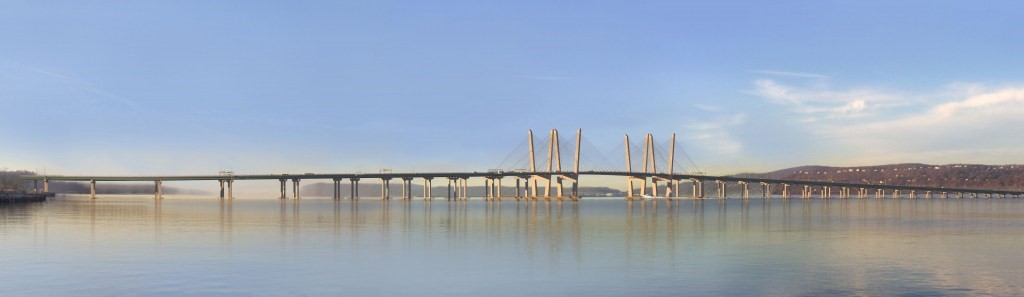
The Tappan Zee Bridge Project

As part of the design team for the Tappan Zee Bridge design-build project, KC provided design support services for this project including on the bridge approach, approach roadways, new maintenance access ramps connecting the Thruway mainline and River Road in Rockland County, associated adjustments to River Road, on- and off-ramp adjustments at Interchange 9, retaining walls and noise walls, drainage systems, stormwater treatment systems, signing and pavement markings, lighting, erosion control, slope stabilization and stormwater pollution prevention, and maintenance and protection of traffic.

KC provided design and construction support services.


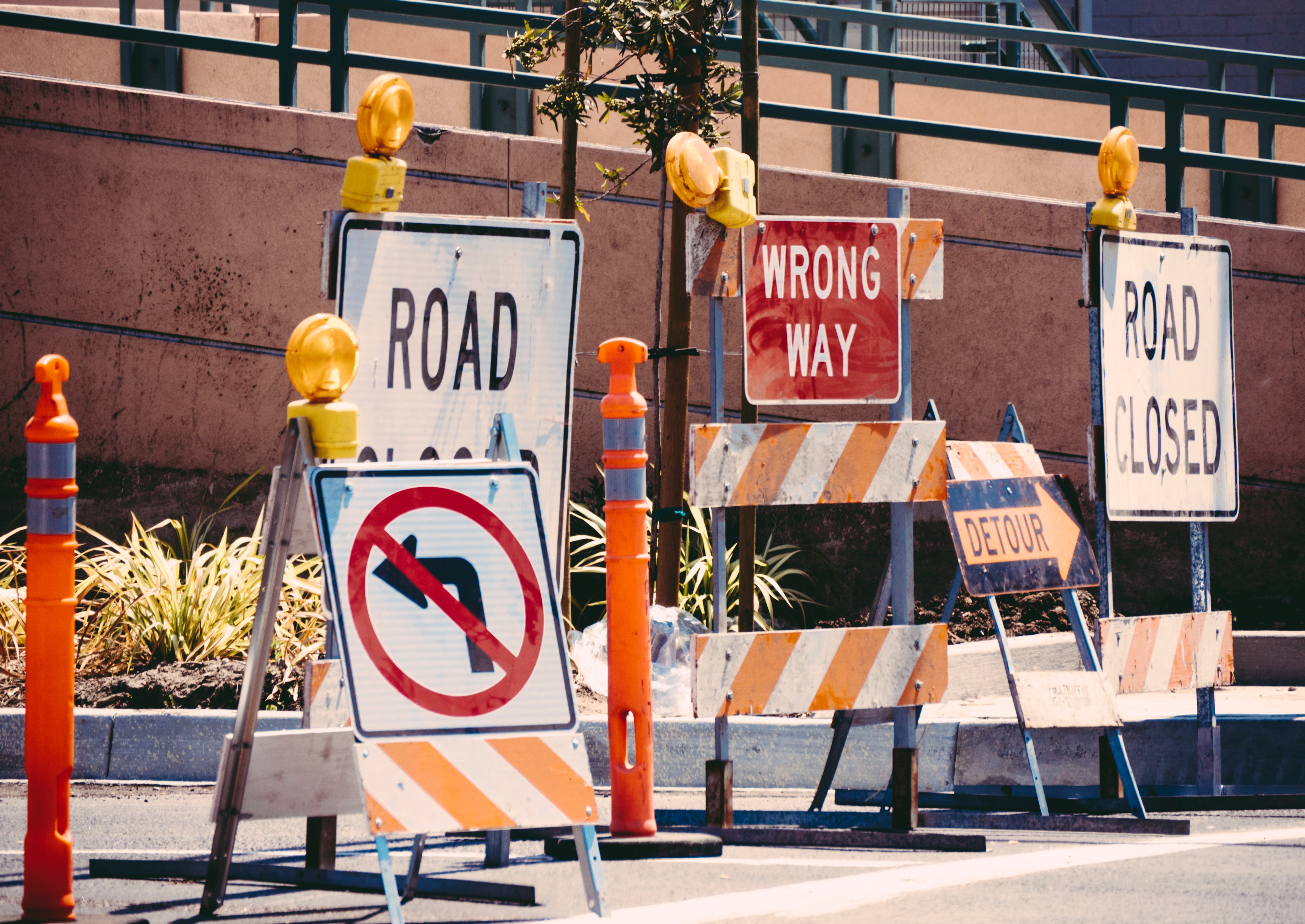
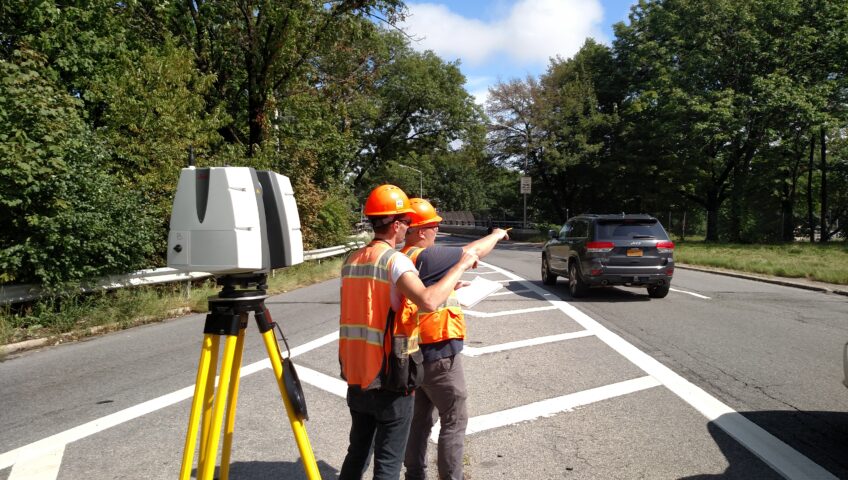
Understanding Work Zone Traffic Control (WZTC)

When construction takes place near or on roadways, it can result in traffic delays and compromised safety of construction workers, motorists, and pedestrians. As a result of roadway construction, certain measures are enacted to facilitate a safe work area for workers, maintain and protect the flow of traffic, and complete necessary work on schedule.

Work zone traffic control (WZTC) was created with these factors in mind, providing construction workers with the knowledge they need to maintain a safe work environment while ensuring an organized flow of traffic. WZTC protocols seek to mitigate the effects of construction on those directly affected by factors such as lane closures or detours.

Motorists should be alert to changing traffic patterns and possible work zones that may crop up along the road.

The typical WZTC area consists of four components:

  1. The advance warning area is the point where motorists are alerted to upcoming road work, usually through the use of road signs, electronic signboards, and flags.
  2. The transition area is the area motorists are guided to transition out of their normal traffic pattern to the new, temporary traffic detour. This can be done with the use of flaggers, traffic cones, and signs.
  3. The activity area is where the actual road work is being conducted.
  4. The termination area is the point where traffic is allowed to return to its normal pattern.

While every municipality has the ability to mandate or adopt their own WZTC policies, they must remain consistent with the Manual on Uniform Traffic Control Devices (MUTCD), set in place as a result of the New York State Vehicle & Traffic Law.

At KC Engineering and Land Surveying, P.C. (KC), our field staff are well-versed in WZTC operations and regularly apply said knowledge when providing a variety of services to our clients.


Climate Change and Construction

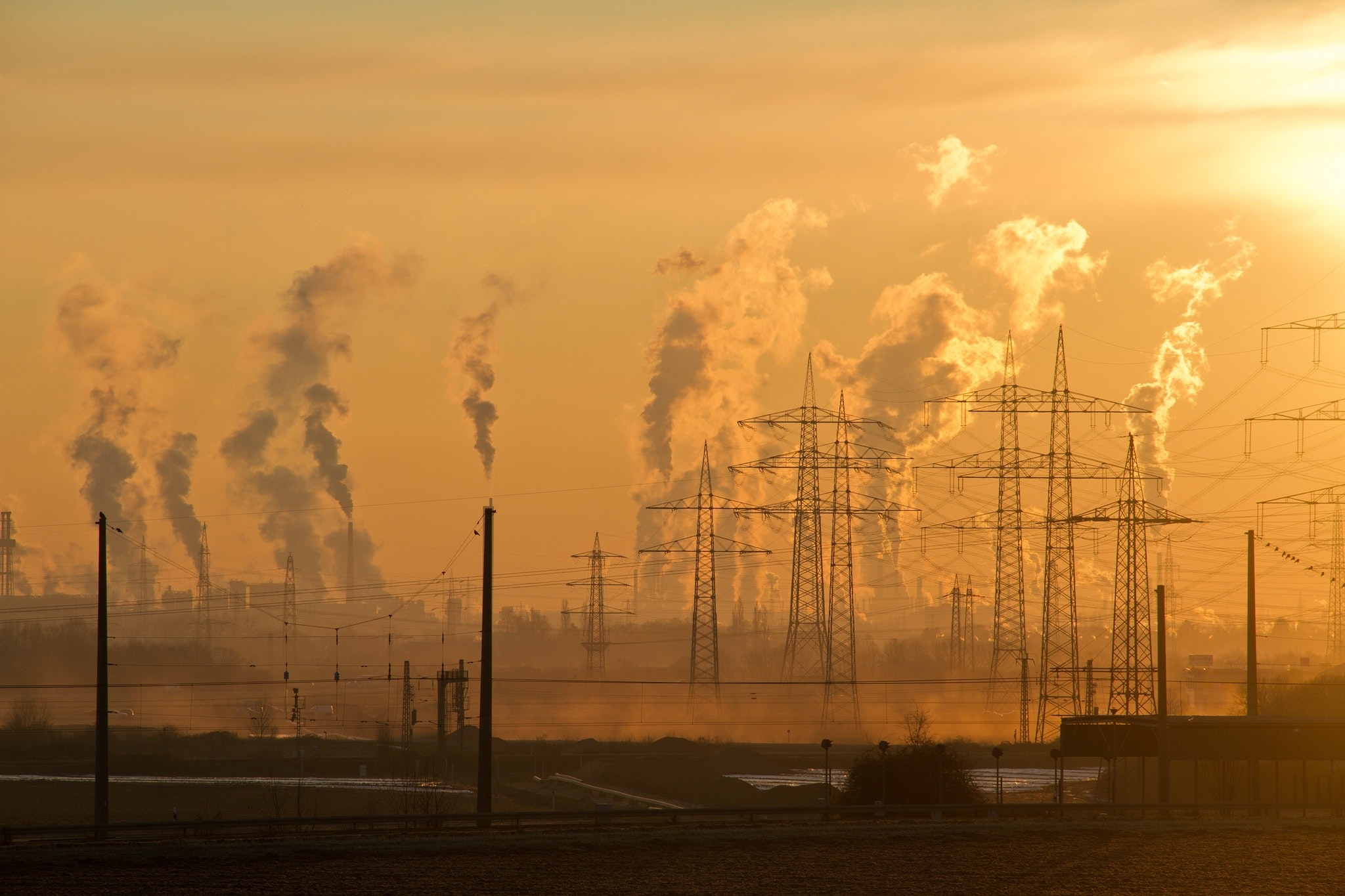
With global temperatures, sea levels, and extreme weather events on the rise, climate change remains a topical and, more recently, contentious subject.

What does climate change have to do with the construction industry? When there is already an incredibly small margin for error on a construction site, climate change could mean everything.

Safety is the leading concern of the construction industry when it comes to climate change. Adverse weather conditions like excessive rain, snow, wind, heat, or cold can significantly reduce safe working conditions. The result? Severe injuries from slips, falls, electrocution, heat exhaustion, and more.

While worksite safety can be entirely compromised by changes in climate, so too can building materials. As temperatures rise, the integrity of materials like wood and concrete are put at risk. Not only that, but climate change increases the need for new, innovative, and potentially costly building techniques to protect existing infrastructure from severe weather conditions.

Along with the physical constraints of climate change on the construction industry, there is also the possibility for monetary setbacks. According to Construction Business Owner, economists estimate that weather-related incidents cost the construction industry “$3.8 trillion a year in the United States.” With U.S. infrastructure spending already at a tremendous deficit, $3.8 trillion lost in profits only serves as an additional obstruction.

Rather than ascribe weather-related construction risks—such as worksite safety, deterioration of building materials, and profit loss—to an inevitable force majeure, experts suggest proactive implementation of risk management strategies.

Construction insurance, increased employee awareness, and acceptance of unpredictability may be the only ways to work through construction setbacks resulting from climate change.

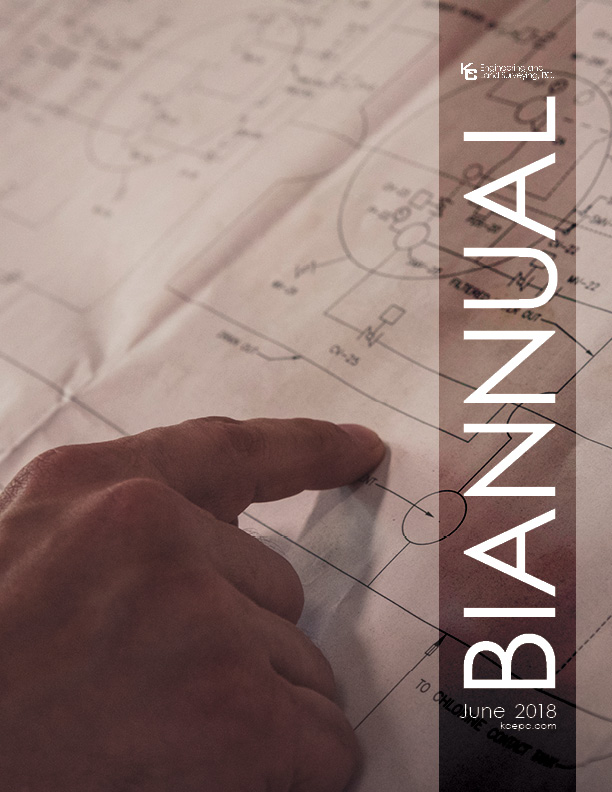
June 2018 Company Newsletter

This June, we speak with Mayor Alexander of the Village of Wappingers Falls to discuss ten years of infrastructure revitalization. An employee interview, interesting statistics, and a host of other features within.

Download KC’s Company Newsletter – June 2018 edition to keep up with KC’s latest news!