Modern Marvel: Morpheus Hotel

The Morpheus Hotel in Macau, China. Photo courtesy of Ivan Dupont.
Zaha Hadid's Morpheus Hotel. Photos courtesy of Virgile Simon Bertrand.
The interior of the Morpheus Hotel. Photos courtesy of Virgile Simon Bertrand

Featuring the self-proclaimed “world’s first free-form high-rise exoskeleton,” Melco Resorts and Entertainment’s Morpheus Hotel in Macau, China officially opened for business as of June 15, 2018.

The hotel was designed by Zaha Hadid Architects, spearheaded by the late Dame Zaha Hadid who passed away in 2016. According to South China Morning Post, Hadid’s partner Patrik Schumacher is the new principal of the practice and led the effort to finish the Morpheus Hotel.

With 147,860 square miles of space across all 42 stories of the building, the Morpheus Hotel has over 770 guest rooms, suites, and sky villas, but what really stands out as an engineering marvel is its exoskeleton. Supported by two central towers that connect at the ground and roof, the exoskeleton acts as a strengthened mesh around the building. Additionally, the center of the building has a portion of negative space, where a series of bridges connect each tower (for extra support as well as to provide a unique space for restaurants, bars, and guest lounges).

Moving inside, the internal layout of the building is deeply affected by the external design. With the ability to take on gravitational and lateral loads, the exoskeleton eliminates any need for internal structural support, allowing for open, uninterrupted space – maximizing the building’s interior. The central atrium extends upward the entire height of the building, allowing guests to see exposed space without their view obstructed by support beams.

In addition to high-performance glazing that helps minimize solar gain, the ridging of the exoskeleton also provides shading, allowing the hotel to localize air conditioning only to zones used by staff and guests rather than cooling the whole atrium.[6]

According to Viviana Muscettola, ZHA’s project director, “The expertise of all members of the Morpheus team has created new possibilities for architecture. The comprehensive parametric model combined all of the hotel’s aesthetic, structural, and fabrication requirements and will radically change how our built environment is planned and constructed.”

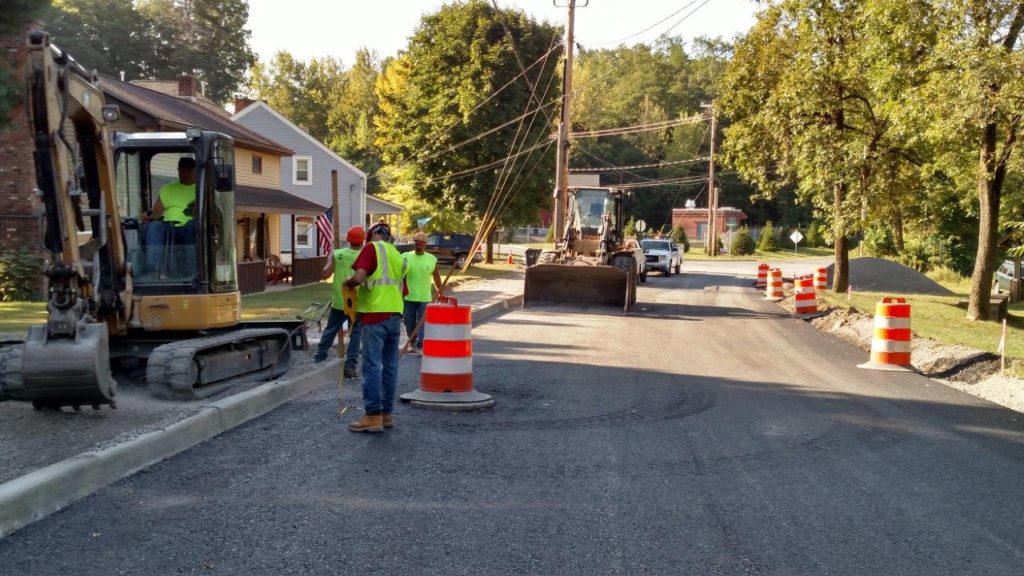
Infrastructure Week Day 5: Roads

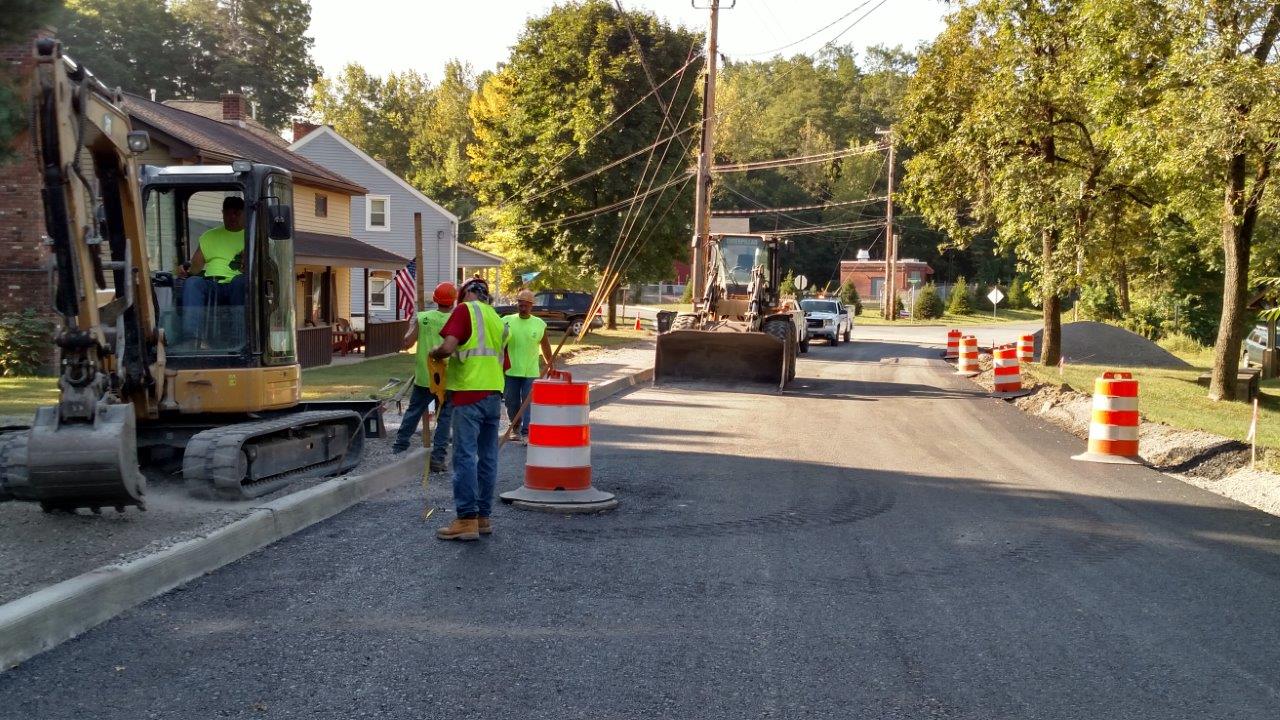
Village of Wappingers Falls Utility Contract 1

In the U.S., roads are an unavoidable part of our everyday lives. We use roadways daily to travel to and from work, school, social engagements, and more. So how do we deal with the issue of America’s crumbling roadway infrastructure?

As the years go by, American metropolitan areas are stymied by traffic congestion.

According to a recent report, in 2014, Americans spent 6.9 billion hours sitting in traffic. That’s a total of 42 hours per driver! Meanwhile, suburban and more rural areas are forced to contend with deteriorating road conditions, as well as outdated and dangerous traffic configurations.

At KC Engineering and Land Surveying, P.C. (KC), maintaining and upgrading our roads remains an important priority. Our civil engineers are skilled in parking lot and roadway design, and along with our traffic engineers they can effectively and efficiently plan, design, and oversee the construction of intersection improvements, parking facilities, maintenance and protection of traffic plans, highways, utility relocations, site lighting, driveways and other roadways, curbs, and sidewalks so that the outcomes not only provide for smooth transitions but also for economically functional results.

With projects like Cross Westchester Expressway (I-287) Exit 8E Reconstruction, 5th Avenue Reconstruction, DeLavergne Avenue Reconstruction, and Milling and Resurfacing of Federal Aid Roads, KC strives to maintain the safety and commutability of area roads, because at KC we recognize the vital importance of roadway infrastructure.


Infrastructure Week Day 3: Transit

City of Kingston Greenkill Avenue Bridge Replacement

Public transit is a staple of our nation that continues to grow yearly, although remains neglected and radically underfunded.

American transit systems carry billions of people a year via trains, commuter buses, ridesharing services, and more. These systems mainly provide transportation in urban areas, but are vital in many rural areas across the country.

In the past few years, we’ve seen major train derailments, non-passengers killed in transit-related accidents, and damaged infrastructure as a result of natural disaster. The resilience of outdated, unreliable infrastructure is tested day by day.

For full functionality of national transit systems, we need not only transit vehicles, but also sufficient infrastructure like traffic signals, train tracks, and roadways to successfully carry and guide these vehicles. However, with lack of funding, years of deferred maintenance, and aging infrastructure, our public transit systems continue to suffer.

At KC Engineering and Land Surveying, P.C. (KC), our civil engineering services include roadway and highway design, traffic engineering, lighting design, and other services to maintain and improve transit operations.

With projects like Gowanus Expressway Intelligent Transportation System (ITS) and Emergency Repairs, Greenkill Avenue Bridge Replacement, and Route 9D Pedestrian Improvements, KC has provided construction inspection for replacement of bridge and mounting tube railings, design assessment for rehabilitation of railroad bridges, and traffic calming and street lighting design.


Designing and Engineering for Climate Change

Green Building

One of the leading industry concerns for engineering and architectural firms is the problem of climate change. As water levels continue to rise, and as the weight of existing infrastructures bears down on already sinking land, engineers are looking for design solutions that can mitigate past inefficiencies and work towards withstanding and reducing climate change in the future. With nearly 40% of the population living in heavily affected coastal areas worldwide, the need for environmentally conscious engineering is imminent.

What Can Be Done?

Raising energy-use concerns early in the process is essential. By using simulation software, considering sustainability, and thinking of the entire building system, engineering and architectural firms can implement design solutions that tackle sustainability from the very beginning of a project. For example, according to the engineering software company Autodesk, “the movement of fluids (examples include air and water) is a very large cause of energy loss in many systems due to drag. Simulation can help reduce these losses.” Reduced losses mean that less energy is required to power the system, resulting in lower emission levels overall.

Architects can also recommend elevating floor levels, adding moisture-resistant drywall, and installing fixed barriers where needed. Once a building is in use, engineering services teams can help tenants get the most out of efficiency and safety features by using building management system (BMS) and building energy management system (BEMS) tools.

The Bottom Line

Green building, or environmentally sensitive architecture, is benefiting from more government incentives, grant programs, success stories, and better marketing strategies. Architectural and engineering services firms that can design products with environmentally sound features are in demand, and those firms may have the best chance of differentiating themselves in the current market.