Infrastructure Week, Day 2: Water

Water is a vital resource, but with a rise in deteriorating infrastructure and underfunded programs like the Drinking Water State Revolving Fund (DWSRF), we’ve run into a nationwide problem.

In recent years, we’ve witnessed water crisis on a national scale in places like Flint, Michigan, whose citizens haven’t had access to clean water in nearly four years; Texas, Florida, and especially Puerto Rico, where recent hurricanes damaged municipal water services; and the Southwest United States, where drought conditions continue to worsen.

Over one million miles of pipes work to deliver water around the country, most of that aging infrastructure having been laid numerous decades ago. Now more than ever, America requires government action to upgrade insufficient water infrastructure. Clean, reliable drinking water is a commodity that everyone, without exception, should have access to.

At KC Engineering and Land Surveying, P.C. (KC), our water supply group works to create sufficient, long-term resolutions to provide safe drinking water. With a group of skilled water, wastewater, civil, and environmental engineers, KC is able to provide lasting solutions to various municipalities, residential developments, and many more.

With projects like the Wallkill Water System Interconnect, Kosuga Well 7 Development, and LaGuardia Airport Trunk Main Relocation, KC continues to play a vital role in ensuring the functionality of filtration systems, water resources, and water treatment.


The Dirty Truth Behind the Sewer System

As a child, did you ever wonder where your goldfish went after you flushed him? Did you imagine him soaring off to sea through a single pipe that connected your toilet to the ocean? Probably.

Is that what really happened to him? Probably not. But don’t get too upset, the actual engineering behind wastewater and sewer systems is pretty interesting. In fact, your goldfish probably went on a wild ride! Whenever water or items go down the drain, they are sent through a pipe in the ground to the local sewer system. From there, gravity sends the wastewater down the sewage line towards the treatment plant.

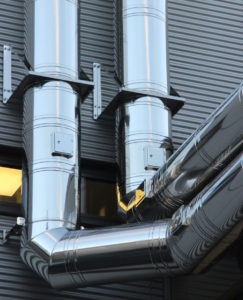
However, most locations aren’t lucky enough to have a plant located at the bottom of a mountain. This is where the real engineering kicks in. Once the pipes get too deep, the wastewater must be pumped closer to the surface so that it can begin its descent again. These pumping stations are part of a force main sewer that pressurizes the water so that it can flow against gravity to the treatment plant at the other end.

Seems simple enough, but sometimes the lines will get clogged by miscellaneous items (like your goldfish) or rags that prevent the water from flowing. In these cases, a pig is sent from the beginning of the line to the end in order to remove the blockage. The pig is a flexible cylinder that moves through the pipes and clears any buildup or blockage it encounters. When the pig emerges from the other end, it brings all the waste with it. Check out this video titled “Sewer Wars” for an out-of-this-world description of the process.

When the water finally arrives at the treatment plant, chemicals and bacteria are used to cleanse the dirty water so that it can be sent back into the environment. After that, the cycle begins all over again.

Engineers use their skills to create complex systems that aid in the day-to-day process so seamlessly that most people don’t even know about them. But now that you do, maybe next time you’ll bring your fishy friend to the ocean yourself. That may be the one thing engineering can’t help you with.


The Importance of Public Works

What are public works?

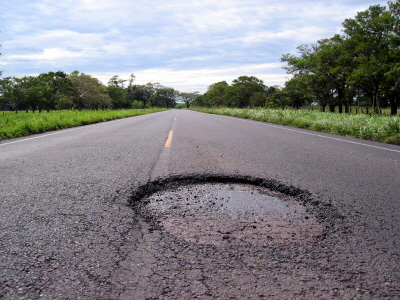
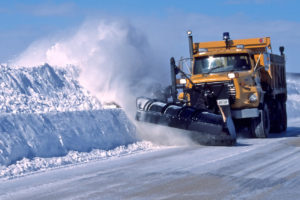
Public works include a broad range of services that our municipalities provide to us every day. From water and sewer services, to sanitation, to salting and plowing the roads in the winter and making sure potholes are filled in the spring and summer. Public works keep our cities and towns running smoothly and efficiently.

Who performs public works?

Some public works roles are filled by municipal employees, like water plant operators; others are filled by public utility employees, like Orange & Rockland workers; still others are filled by employees of companies such as engineering firms and construction contractors.

What do public works employees do?

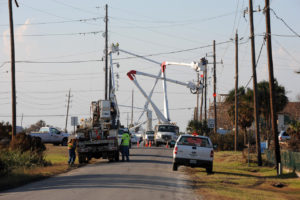
In many instances, they are on call and must be ready to respond to a water main break, plow the streets during a blizzard, repair a sewer line, or repair power outages after a thunderstorm. Those who are involved in the public works field work behind the scenes to make sure that residents are able to enjoy the basic necessities and the quality of life that is expected within a municipality.

Without public works, potholes would incapacitate vehicles. Without public works, garbage would not be collected but would instead be allowed to pile up, leading to a rampant increase in the rodent and wild animal population in residential areas and ultimately lead to a rise in illness and disease. Public works employees may not always enjoy the limelight, but their jobs are of the utmost importance.

As we enjoy running water, paved roads, and electricity, we should take a moment to appreciate the people who work behind the scenes, sometimes tirelessly, to provide us with these necessities.


Infrastructure Week Day 2: Water

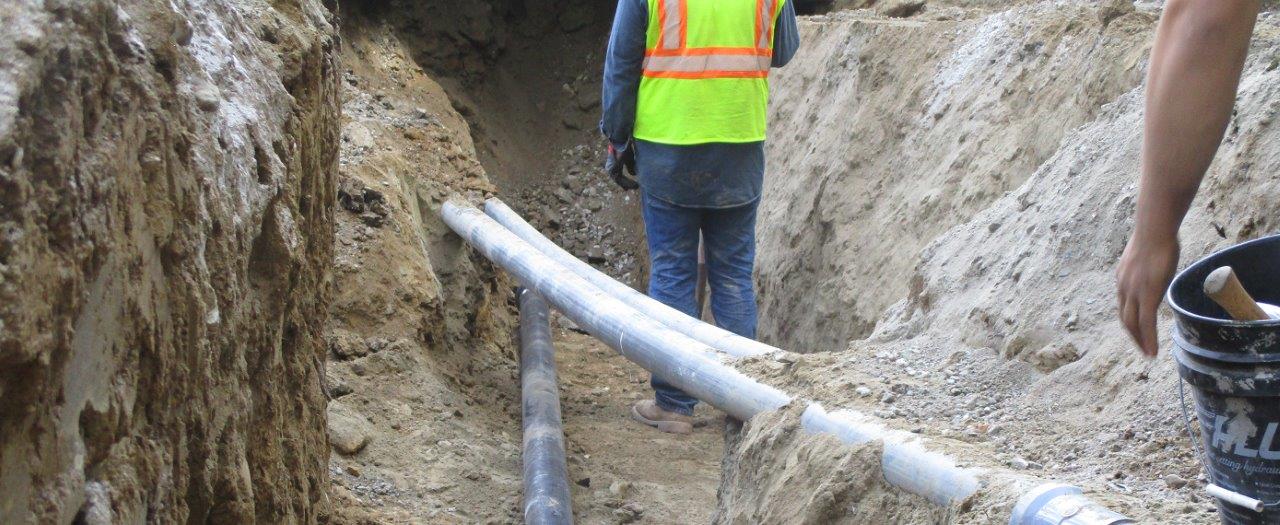
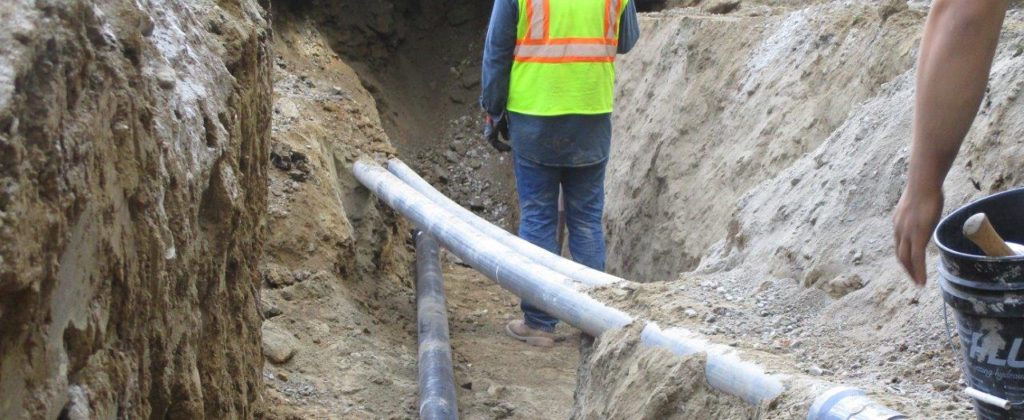
DCWWA Shore Haven Water Pipe

Water is a vital resource, but with a rise in deteriorating infrastructure and underfunded programs like the Drinking Water State Revolving Fund (DWSRF), we’ve run into a nationwide problem.

In recent years, we’ve witnessed water crisis on a national scale in places like Flint, Michigan, whose citizens haven’t had access to clean water in nearly four years; Texas, Florida, and especially Puerto Rico, where last year’s hurricanes damaged municipal water services; and the Southwest United States, where drought conditions continue to worsen.

Over one million miles of pipes work to deliver water around the country, most of that aging infrastructure having been laid numerous decades ago. Now more than ever, America requires government action to upgrade insufficient water infrastructure. Clean, reliable drinking water is a commodity that everyone, without exception, should have access to.

At KC Engineering and Land Surveying, P.C. (KC), our water supply group works to create sufficient, long-term resolutions to provide safe drinking water. With a group of skilled water, wastewater, civil, and environmental engineers, KC is able to provide lasting solutions to various municipalities, residential developments, and many more.

With projects like the Wallkill Water System Interconnect, Kosuga Well 7 Development, and LaGuardia Airport Trunk Main Relocation, KC continues to play a vital role in ensuring the functionality of filtration systems, water resources, and water treatment.


KC Circleville’s Fall Cleanup

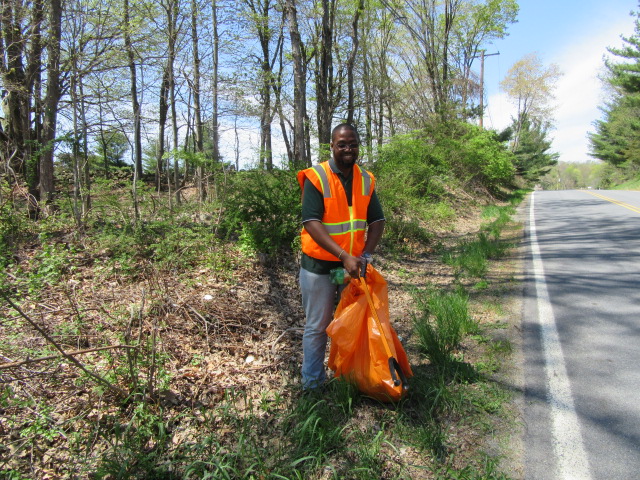
This Friday, October 13th, 2017, the KC Circleville team will take to the streets (in our case, to Goshen Turnpike) to participate in our bi-annual cleanup event where members of our team will split into groups of four, garbage bags and trash grabbers in hand, to whisk away discarded soda bottles, pieces of plastic, cigarette butts, and all other materials that harm surrounding plant and animal life and encourage dangerous bacteria and parasites to thrive. The cleanup is an important act of service for KC, as we continuously strive to better our surrounding community and promote environmental health.

Here are KC’s reasons for being committed to cleaning up our surrounding environment:

  1. We care about our wildlife: Deer, squirrels, beavers, oh my! These animals, in addition to black bears, bobcats, coyotes, foxes, raccoons, otters, and bats, are all native to New York State, and when we litter, we are putting them in danger. Animals can mistakenly eat and ingest the litter, often causing fatal blockages, and also get caught in and be injured and strangled by plastic rings and soda cans.
  2. We care about our water: Litter can make its way into groundwater and eventually into wells, where many people receive their drinking water. “Stormwater pollution,” according to org, “is one of the greatest threats to […] clean water supply.” They continue, “Rain washes pollution from streets, parking lots, and lawns into storm drains, and then directly into our streams, rivers, lakes, and the ocean.”
  3. We care about climate change: Did you know an excess of waste releases methane gas that, when released into the atmosphere, traps heat? Our employees, during past cleanups, have found a myriad of materials, like plastic bottles, plastic bags, and aluminum cans, that could and should be recycled. Removing them from the side of the road is a positive step toward reducing these harmful gases.
  4. We care about community and team building: Conducting a group cleanup, whether it happen among co-workers or volunteers within a local community, is a great way to come together to accomplish an important and gratifying task. While our office may be divided into individualized departments with our own separate schedules and responsibilities, our cleanup allows employees who otherwise would not work together to participate in a team building activity that betters our environment.

Want to help your surrounding community? Here are some helpful tips for organizing a cleanup of your own.

Happy cleaning!