
Designing and Engineering for Climate Change

Green Building

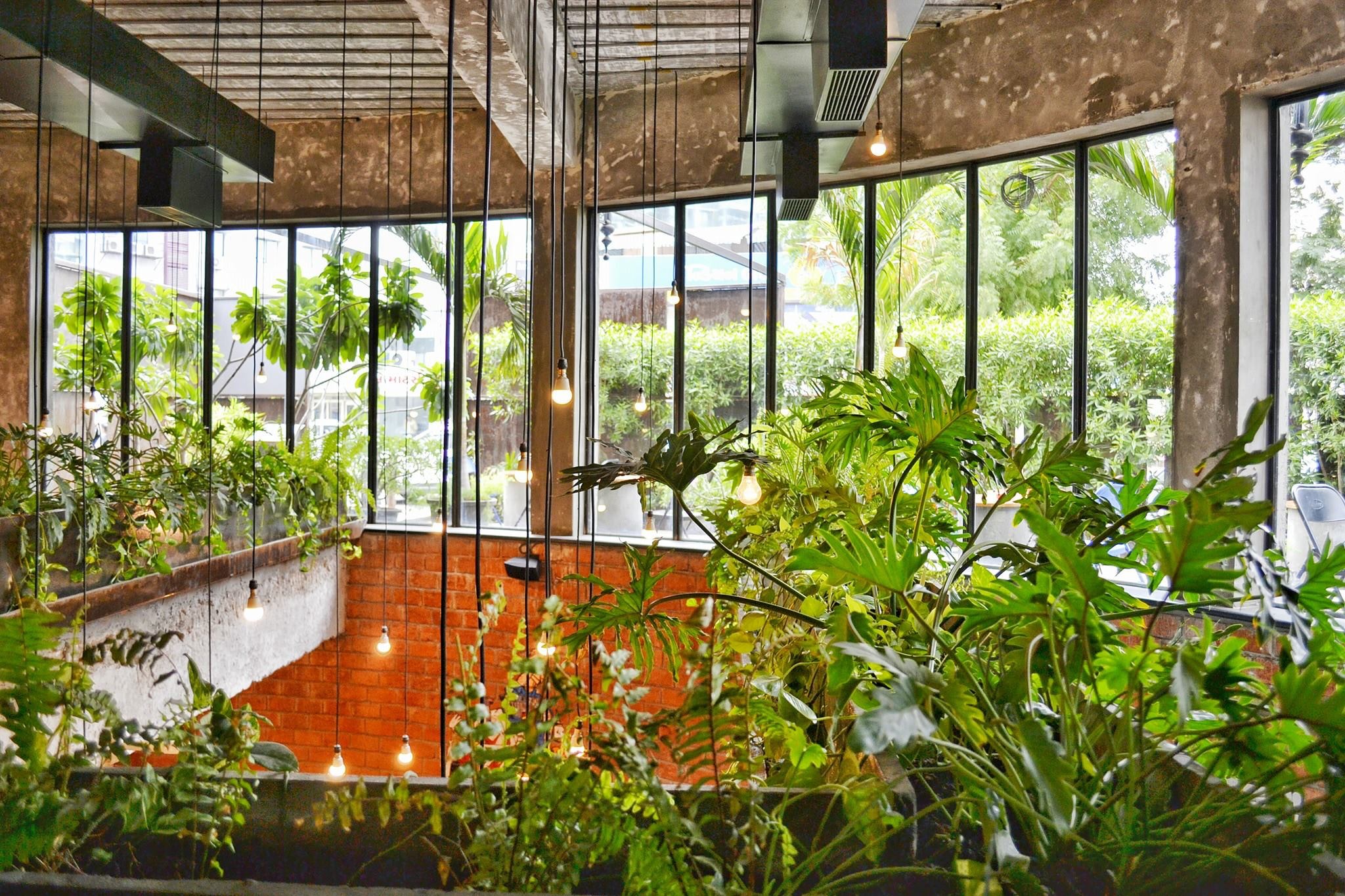
One of the leading industry concerns for engineering and architecture firms is the problem of climate change. As water levels continue to rise, and as the weight of existing infrastructure bears down on already sinking land, engineers are looking for design solutions that can mitigate past inefficiencies and work towards withstanding and reducing climate change in the future. With nearly 40% of the population living in heavily affected coastal areas worldwide, the need for environmentally conscious engineering is imminent.

What Can Be Done?

Raising energy-use concerns early in the process is essential. By using simulation software, considering sustainability, and thinking of the entire building system, engineering and architectural firms can implement design solutions that tackle sustainability from the very beginning of a project. For example, according to the engineering software company Autodesk, “the movement of fluids (examples include air and water) is a very large cause of energy loss in many systems due to drag. Simulation can help reduce these losses.” Reduced loss mean that less energy is required to power the system, resulting in lower emission levels overall.

Architects can also recommend elevating floor levels, adding moisture-resistant drywall, and installing fixed barriers where needed. Once a building is in use, engineering services teams can help tenants get the most out of efficiency and safety features by using building management system (BMS) and building energy management system (BEMS) tools.

The Bottom Line

Green building, or environmentally sensitive architecture, is benefiting from more government incentives, grant programs, success stories, and better marketing strategies. Architectural and engineering services firms that can design products with environmentally sound features are in demand, and those firms may have the best chance of differentiating themselves in the current market.


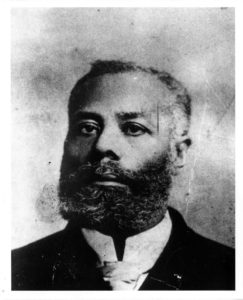
African-American Pioneers in Engineering You Should Know About

Elijah Mccoy / Credit: Ypsilanti Historical Society (Wikipedia.org)

February is African-American History Month. As such, it is the perfect opportunity to highlight the engineering achievements of African-Americans who, although they may have contended with racism, societal inequality, and discrimination, worked hard to overcome obstacles and accomplished great things in the field of engineering.

Walter Braithwaite, an American engineer who was born in Jamaica, was hired by Boeing in 1966. As Senior Engineer, he led the team that invented CAD systems for designing commercial Boeing aircraft. Over the years, Braithwaite rose through the ranks, eventually becoming President of Boeing Africa. When he retired in 2003, he was the highest ranking African-American executive of the company.

Howard P. Grant graduated from the University of California, Berkeley, in 1948, making him the first African-American to graduate from the Berkeley College of Engineering. That same year, Grant also became the first known African-American member of the American Society of Civil Engineers. He subsequently became the first African-American civil engineer for the City and County of San Francisco and the second African-American civil engineer to be licensed by California. He worked in the San Francisco water department until 1984, and also held the position of president and treasurer of the California Society of Professional Engineers.

George Biddle Kelley graduated from Cornell University’s College of Civil Engineering in 1908. He went on to become the first African-American engineer registered in the state of New York. He was hired by the New York Engineering Department, where he worked on the Barge Canal, a collection of state waterways, during the 1920s.

Elijah McCoy was born in Canada in 1844 to runaway slaves who had escaped Kentucky thought the Underground Railroad. At the age of 15, he moved to Edinburgh, Scotland for an apprenticeship. There, he became certified in mechanical engineering. Upon leaving Scotland, he moved to Michigan, where his family was now living. After being unable to find engineering work in Michigan because of his race, he found a job as a fireman with the Michigan Central Railroad. Part of his duties included oiling the steam engine parts. Soon McCoy had invented an automatic engine lubricator, which meant that trains were no longer required to stop for lubrication. The lubrication could now occur while the train was moving. As news of the invention spread, many inventors attempted to create their own version of the automatic lubricator. However, it was soon discovered that McCoy’s invention was superior. It is said that railway engineers began requested “the real McCoy” lubricator. McCoy filed a total of almost 60 patents, including designs for an ironing board, a lawn sprinkler, and other machines.


Wear Red Day 2019

KC celebrated the American Heart Association (AHA)’s 15th annual “National Wear Red Day” on February 1st, supporting the fight against cardiovascular disease in women as part of a nationwide effort known as Go Red for Women®.

Heart disease claims the lives of more than 400,000 women each year and is the number one leading cause of death for women – that’s about the same as the next three most common causes of death combined. Luckily, about 80% of cardiovascular diseases may be prevented.

“Eat a heart-healthy diet, be physically active on a regular basis, don’t smoke, and stay at a healthy weight,” says Dr. Suzanne Steinbaum, a senior faculty member of cardiology at Mount Sinai in New York, NY. AHA recommends a diet rich in vegetables, fruits, lean proteins, healthy fats, and whole grains; at least 150 minutes per week of moderate-intensity aerobic activity and/or 75 minutes per week of vigorous aerobic activity; and plenty of sleep and stress relief.

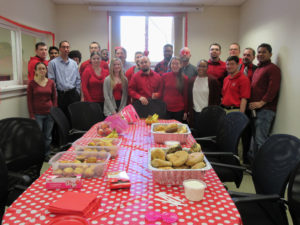
In the spirit of health and wellness, employees at the Circleville, Poughkeepsie, and New York City offices enjoyed a healthy breakfast spread while adorned in various shades of red.

For our English friends across the pond, February 1st was also Wear Red Day, however their event aided the Leeds Congenital Heart Unit at the General Infirmary through The Children’s Heart Surgery Fund. Regardless of where you are in the world, if you missed Wear Red Day this year, be sure to join us next time. Together we can raise awareness and help make healthier hearts everywhere!


The Dirty Truth Behind the Sewer System

As a child, did you ever wonder where your goldfish went after you flushed him? Did you imagine him soaring off to sea through a single pipe that connected your toilet to the ocean? Probably.

Is that what really happened to him? Probably not. But don’t get too upset, the actual engineering behind wastewater and sewer systems is pretty interesting. In fact, your goldfish probably went on a wild ride! Whenever water or items go down the drain, they are sent through a pipe in the ground to the local sewer system. From there, gravity sends the wastewater down the sewage line towards the treatment plant.

However, most locations aren’t lucky enough to have a plant located at the bottom of a mountain. This is where the real engineering kicks in. Once the pipes get too deep, the wastewater must be pumped closer to the surface so that it can begin its descent again. These pumping stations are part of a force main sewer that pressurizes the water so that it can flow against gravity to the treatment plant at the other end.

Seems simple enough, but sometimes the lines will get clogged by miscellaneous items (like your goldfish) or rags that prevent the water from flowing. In these cases, a pig is sent from the beginning of the line to the end in order to remove the blockage. The pig is a flexible cylinder that moves through the pipes and clears any buildup or blockage it encounters. When the pig emerges from the other end, it brings all the waste with it. Check out this video titled “Sewer Wars” for an out-of-this-world description of the process.

When the water finally arrives at the treatment plant, chemicals and bacteria are used to cleanse the dirty water so that it can be sent back into the environment. After that, the cycle begins all over again.

Engineers use their skills to create complex systems that aid in the day-to-day process so seamlessly that most people don’t even know about them. But now that you do, maybe next time you’ll bring your fishy friend to the ocean yourself. That may be the one thing engineering can’t help you with.


The Widening of the Van Wyck Expressway Project

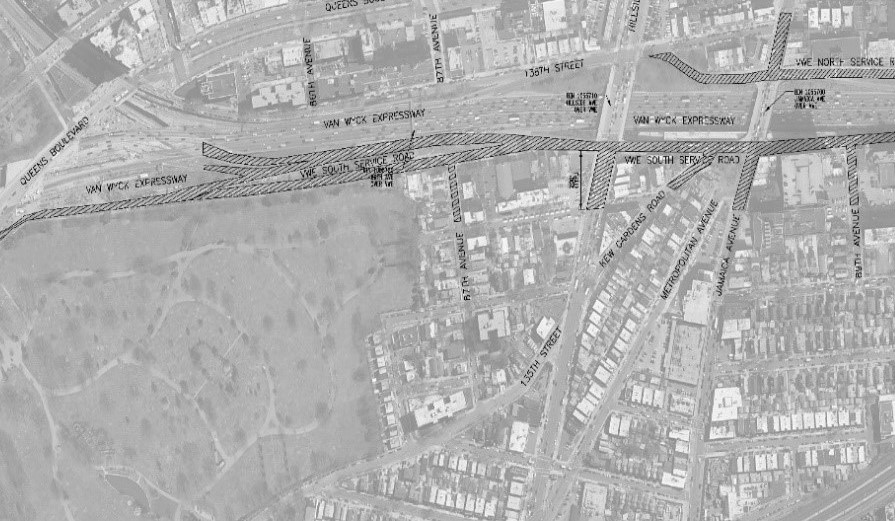
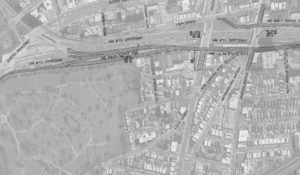
The Van Wyck Expressway (VWE), I-678, is the major gateway into and out of JFK International Airport. It was originally constructed in the early 1950s and is unable to handle current and projected traffic volumes. Congestion and delays are extensive and exist for many hours of the day. This project will widen the VWE by adding a fourth lane (fifth lane at some locations) in both directions to reduce congestion and delays. The added lanes will be operated as Managed Use Lanes that can be dynamically managed.

In addition, operations of the various on/off ramps will be evaluated and elimination and/or relocation will be considered. This project scope included preliminary design services to widen the VWE (I-678) to add a fourth lane from the Kew Gardens Interchange to JFK Airport. The scope also included evaluation of the proposed project on 20 bridges including 4 bridges that carry the Long Island Railroad over the VWE. In addition, operations of the various on/off ramps were evaluated. The length of the project was approximately 4.3 miles.

The bridges and interchanges within the project limits were investigated to determine appropriate work to accommodate the widened VWE. The proper environmental issues were investigated and documented.

KC, as part of the design team, was responsible for the accident analysis, utility relocation, and preliminary design of five structures that are part of the VWE and Belt Parkway Interchange.