The Importance of Green Construction

The construction industry, responsible for about 4% of the world’s particulate emissions, is one of the major sources of pollution. Despite our best construction practices, air, water, and noise pollution continue to threaten our way of life.

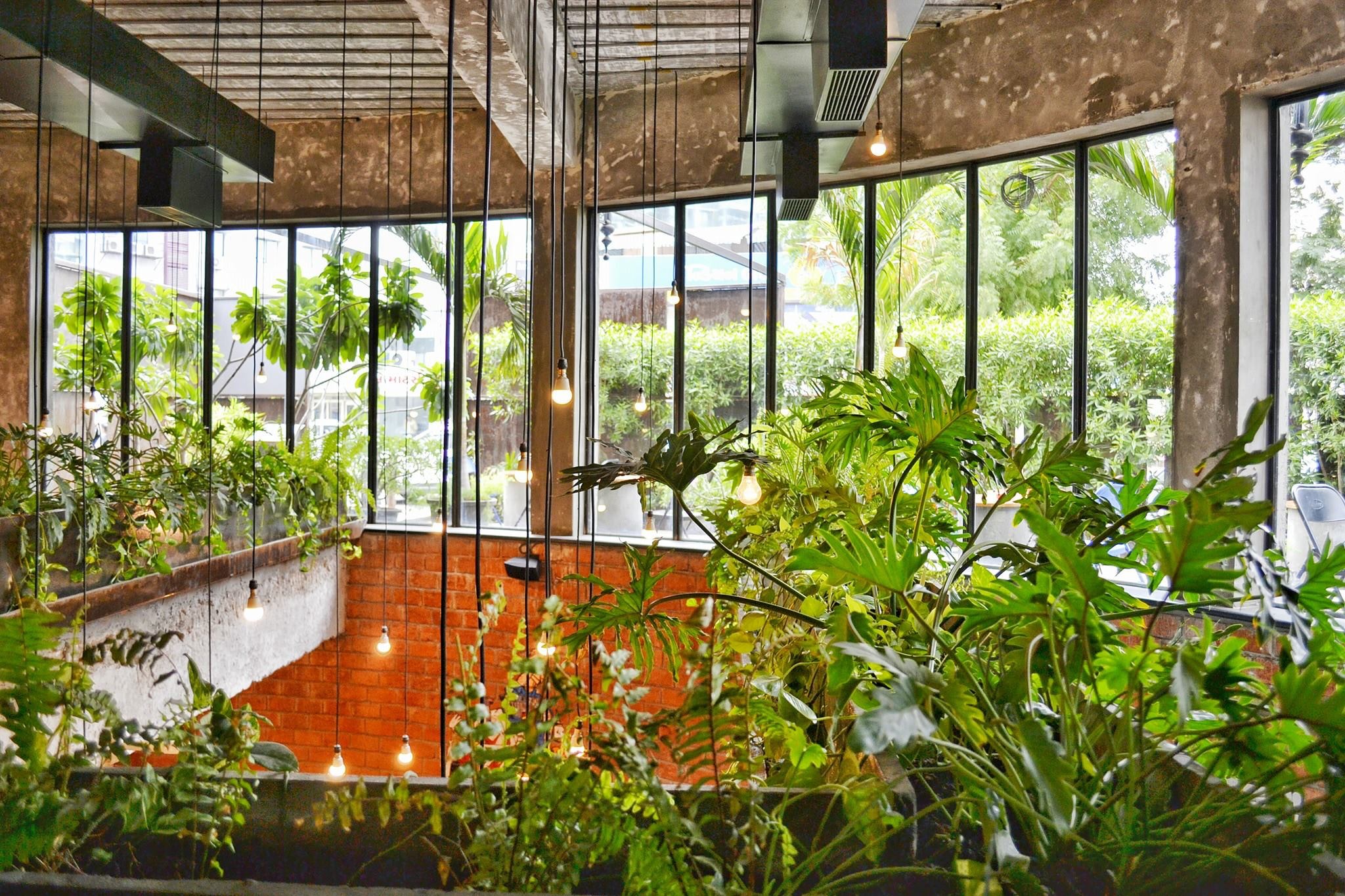
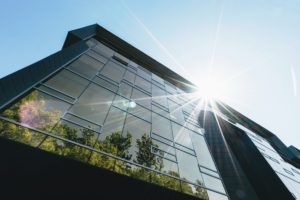
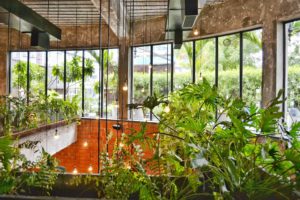
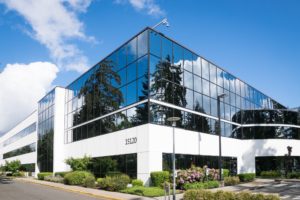
Green building, a method of construction used to design sustainable, energy-efficient residential and commercial buildings, is now a growing trend and no longer a construction novelty. With pollution jeopardizing air quality, drinking water, and even putting our wildlife at risk, green building has come to the forefront of the construction industry as a largely marketable, thoughtful, and productive method of building.

A combination of sustainable processes and use of high-quality, low-impact materials contribute to the practice of green building. The Environmental Protection Agency (EPA) promotes several components of green building, including renewable energy use, waste reduction, and use of environmentally preferable building materials.

The popular concept of “reduce, reuse, recycle” is an example of an environmentally-friendly practice used during green construction, especially when it comes to waste reduction. As far as environmentally preferable materials, where concrete and steel are often impractical and expensive materials, timber is a relatively inexpensive, naturally renewable alternative with long-term sustainability capabilities.

Ultimately, green construction processes present a pollution-profuse industry with the opportunity to build smarter and sustainably, better control costs, and maintain the condition of the earth.



Earth Day 2019

April 22nd, 1970: Millions of concerned citizens rally in the streets to protest over a century’s worth of industrial development, which had caused a drastic rise in air pollution and massive decline in biodiversity. Ecological awareness mounts across the United States, urging President Nixon to make a change.

July 1970: President Nixon and the U.S. Congress create the Environmental Protection Agency (EPA) and enact laws like the Clean Water Act and the Endangered Species Act. The Clean Water Act establishes a simple structure for monitoring and maintaining pollution into U.S. waters while the Endangered Species Act, a response to biodiversity decline, protects the ecosystems and lives of endangered species.

Today, Earth Day spans the globe with an estimated one billion people in countries around the world participating in marches, tree plantings, and community service among other things.

According to Earth Day Network’s (EDN) website, the focus of Earth Day 2019 is on protecting our endangered species. And this responsibility lies with all of us. The EDN website identifies human activity as the number one cause of many species becoming endangered. But just as we have contributed to the risk to these species, we can all do something to slow the rate of extinction among many of these precious creatures.

EDN is raising awareness for Earth Day 2019 by leading several grassroots movements, encouraging people around the world to become educated on the causes of species endangerment and extinction. In addition, people are encouraged to stop using pesticides and herbicides; eat less meat; plant trees and gardens; and participate in cleanup days at local beaches, rivers, and streams.

To get involved or donate to the cause, visit: https://www.earthday.org/


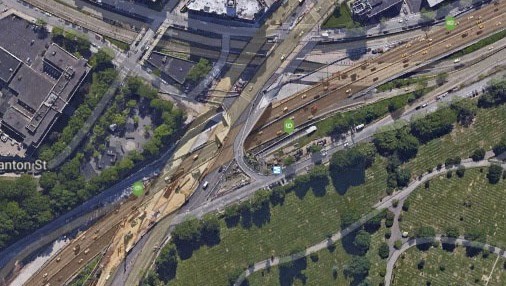
Rehabilitation of 7 Bridges in the Vicinity of the Van Wyck Expressway and Queens Boulevard

KC provided construction inspection services during the construction of Manton Street over Queens Boulevard deck replacement, Queens Boulevard over Main Street deck replacement, Queens Boulevard over Van Wyck Expressway deck replacement, Van Wyck Expressway over Main Street superstructure replacement, Hoover Avenue over Van Wyck Expressway painting, Van Wyck Expressway ramp over Van Wyck Expressway painting, and 82nd Avenue pedestrian bridge over Van Wyck Expressway painting.

Work also included new fixed and expansion bearings, new deck joints and reconstruction of abutments and piers, removal and replacement of the 86th Avenue pedestrian bridge, and construction of a weaving lane along the Northbound Van Wyck Expressway mainline between Hillside Avenue and Main Street.

Services performed included detailed inspections, onsite field testing of materials, field measurements and collection of data necessary to submit monthly and final estimates and progress reports, and preparation of record plans. All records were kept in accordance with the Manual of Uniform Record Keeping (MURK).


Designing and Engineering for Climate Change

Green Building

One of the leading industry concerns for engineering and architecture firms is the problem of climate change. As water levels continue to rise, and as the weight of existing infrastructure bears down on already sinking land, engineers are looking for design solutions that can mitigate past inefficiencies and work towards withstanding and reducing climate change in the future. With nearly 40% of the population living in heavily affected coastal areas worldwide, the need for environmentally conscious engineering is imminent.

What Can Be Done?

Raising energy-use concerns early in the process is essential. By using simulation software, considering sustainability, and thinking of the entire building system, engineering and architectural firms can implement design solutions that tackle sustainability from the very beginning of a project. For example, according to the engineering software company Autodesk, “the movement of fluids (examples include air and water) is a very large cause of energy loss in many systems due to drag. Simulation can help reduce these losses.” Reduced loss mean that less energy is required to power the system, resulting in lower emission levels overall.

Architects can also recommend elevating floor levels, adding moisture-resistant drywall, and installing fixed barriers where needed. Once a building is in use, engineering services teams can help tenants get the most out of efficiency and safety features by using building management system (BMS) and building energy management system (BEMS) tools.

The Bottom Line

Green building, or environmentally sensitive architecture, is benefiting from more government incentives, grant programs, success stories, and better marketing strategies. Architectural and engineering services firms that can design products with environmentally sound features are in demand, and those firms may have the best chance of differentiating themselves in the current market.


African-American Pioneers in Engineering You Should Know About

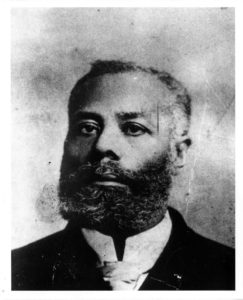
Elijah Mccoy / Credit: Ypsilanti Historical Society (Wikipedia.org)

February is African-American History Month. As such, it is the perfect opportunity to highlight the engineering achievements of African-Americans who, although they may have contended with racism, societal inequality, and discrimination, worked hard to overcome obstacles and accomplished great things in the field of engineering.

Walter Braithwaite, an American engineer who was born in Jamaica, was hired by Boeing in 1966. As Senior Engineer, he led the team that invented CAD systems for designing commercial Boeing aircraft. Over the years, Braithwaite rose through the ranks, eventually becoming President of Boeing Africa. When he retired in 2003, he was the highest ranking African-American executive of the company.

Howard P. Grant graduated from the University of California, Berkeley, in 1948, making him the first African-American to graduate from the Berkeley College of Engineering. That same year, Grant also became the first known African-American member of the American Society of Civil Engineers. He subsequently became the first African-American civil engineer for the City and County of San Francisco and the second African-American civil engineer to be licensed by California. He worked in the San Francisco water department until 1984, and also held the position of president and treasurer of the California Society of Professional Engineers.

George Biddle Kelley graduated from Cornell University’s College of Civil Engineering in 1908. He went on to become the first African-American engineer registered in the state of New York. He was hired by the New York Engineering Department, where he worked on the Barge Canal, a collection of state waterways, during the 1920s.

Elijah McCoy was born in Canada in 1844 to runaway slaves who had escaped Kentucky thought the Underground Railroad. At the age of 15, he moved to Edinburgh, Scotland for an apprenticeship. There, he became certified in mechanical engineering. Upon leaving Scotland, he moved to Michigan, where his family was now living. After being unable to find engineering work in Michigan because of his race, he found a job as a fireman with the Michigan Central Railroad. Part of his duties included oiling the steam engine parts. Soon McCoy had invented an automatic engine lubricator, which meant that trains were no longer required to stop for lubrication. The lubrication could now occur while the train was moving. As news of the invention spread, many inventors attempted to create their own version of the automatic lubricator. However, it was soon discovered that McCoy’s invention was superior. It is said that railway engineers began requested “the real McCoy” lubricator. McCoy filed a total of almost 60 patents, including designs for an ironing board, a lawn sprinkler, and other machines.