What is Municipal Engineering?

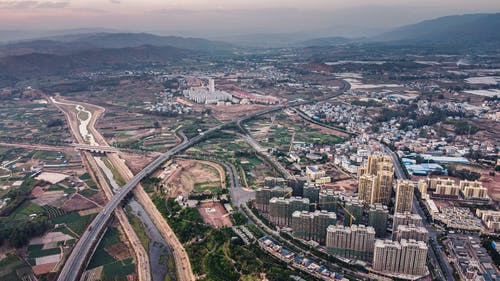
If you’ve ever wondered who oversees all types of project sites in your community, the answer is municipal engineers. When you pass by bridges, airports, public parks, streets and sidewalks, or any general road in your community, municipal engineers are typically the ones behind the work. The most common services municipal engineers provide are structural, water and wastewater, and traffic and transportation engineering, but their work doesn’t just end there. Aside from designing, constructing, and maintaining these communities, municipal engineers do a lot of administrative work and give support to communities.

The administrative work and support municipal engineers provide is for the improvement of their communities. The main goal of municipal engineers’ administrative work is to make sure each project brings a positive outcome to the community, which is why municipal engineers ensure each project is compliant with each project-specific plans, codes, and specifications. Municipal engineers additionally give support to their communities by ensuring that the voices of their communities are heard. They create in-depth approaches to get involved with their communities and gather all necessary opinions to create an action plan that works for all. For example, before a project starts, municipal engineers may speak to all the parties involved such as residents, agencies, and the communities’ officials.

At KC Engineering and Land Surveying, P.C. (KC), maintaining and improving our communities remains an important priority. KC’s municipal engineering group is an integral part of our contribution to the safety of our communities.


What is Topographic Survey?

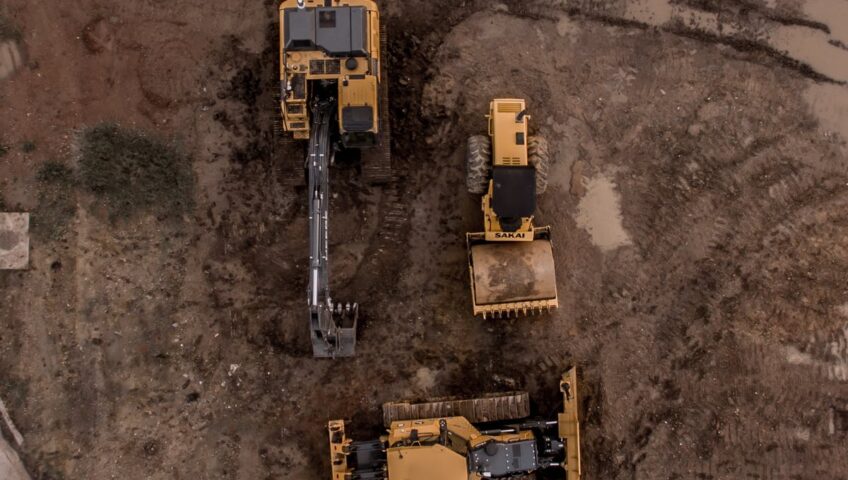
Land surveyors’ workload consists of a wide range of tasks, but the main concept of their overall work is to prepare sites for construction. Topographic survey is one of the main types of services performed by land surveyors. According to civilengineeringbible.com, topographic survey is defined as a “method of determining the positions, on the surface of the earth, of human made and natural features. It also is used to determine the configuration of the terrain.” So, in other words, surveyors perform topographic survey to find coordinates and height data needed for construction sites.

The methods used for performing topographic survey include:

  • Aerial Survey: Aerial survey is also known as photogrammetry. This method allows surveyors to easily survey the ground by collecting high-altitude photos using a plane or drone.
  • Global Positioning System (GPS): This method is used in smaller areas where aerial approach is not necessary.
  • Total Station: This method is known to be the most effect method since it is performed directly by the field crew resulting in more detailed information being collected.

KC’s land surveying group consists of dedicated professional land surveyors, party chiefs, instrument persons, geographic information system (GIS) technicians, draftsmen, engineering technicians, and Computer-Aided Design (CAD) operators with experience researching and recording all types of survey data and providing field services in varying terrains and weather. To learn more about KC’s services, please visit our Services tab.


Why is Environmental Engineering Important?

Environmental engineering is one of many methods used to mitigate environmental issues we are facing today.

Environmental engineering is a branch of engineering that concentrates on improving environmental quality. According to the American Academy of Environmental Engineers (AAEE), environmental engineering is defined as "the application of engineering principles to the management of the environment for the protection of human health, for the protection of nature's beneficial ecosystems, and for environment-related enhancement of the quality of human life." In other words, the main goal of environmental engineering is to protect humanity from negative environmental effects. Environmental engineering is a key tool to fight against climate change; this is done by using environmentally friendly materials and developing new materials that can adapt to climate change. For example, eco-concrete and eco-bricks are two environmentally friendly materials used by Environmental Engineers.

Some of the main focuses of environmental engineering include air pollution management, water supply and treatment, and wastewater treatment and management, the benefits of which include easily available drinking water, preventing the spread of waterborne diseases with effective sanitation systems, and monitoring air pollution. Focusing on these areas allows mankind to maintain a much healthier quality of life than would otherwise be the case.

KC understands the importance of fighting against environmental issues. KC’s engineering staff includes a wide range of experienced and talented personnel encompassing all our main areas of service, and includes dedicated civil and environmental engineers experienced in drainage, stormwater, drinking water, and wastewater solutions. To learn more about KC’s services, please visit our Services tab.


Why are Steel Structures Used in Most Construction?


Did you know that steel is a high-strength grade of construction material?

Steel, known for its reliability and cost efficiency, is considered the go-to material for construction purposes. How are steel structures cost-effective while at the same time being the go-to material? Steel requires fewer raw materials, is lower-maintenance and inexpensive to manufacture, and steel structures are generally more durable than those constructed from other materials because the alloy can endure severe weather conditions. It also staves off rust and mold accumulation, giving the material a longer lifespan. For all these reasons, using steel is widely considered a great long-term investment.

Modern contractors and designers use the material for all types of structural engineering work. Steel can be shaped to accommodate each project’s unique specifications – some of the potential forms it can assume include round tube (HSS), plate, an angle, and wide flange, among others. Its flexibility allows engineers and architects to bring their beautiful designs to life. So, if you’ve ever passed a modern bridge, building, or tower that caught your attention and wondered what it was made of, the answer is probably, at least partially, steel!

If you are curious about buildings and/or bridges built with steel, here are three famous examples:
1. The Empire State Building, located in New York City, was constructed in 1931. The Empire State Building once held the record for being the world’s tallest building. It was designed by William F. Lamb, who drew inspiration from art deco aesthetics.

2. The Brooklyn Bridge, also located in New York City, was constructed in 1883. It is known for being the first steel-wire suspension bridge built in the world. The original designer was John Augustus Roebling, who sadly succumbed to injuries he obtained from an accident he had on the bridge. His son, Washington Roebling, continued his work, but also suffered an accident that led to him developing a sickness, and his wife Emily Warren Roebling subsequently stepped in to help him finish the bridge.

3. The Burj Khalifa, located in Dubai, United Arab Emirates, was constructed in 2006. This building is currently the tallest in the world. It was designed by Adrian Smith, and according to the ruler of Dubai, the inspiration that led to its construction struck him during a previous visit to the Empire State Building.


What is Inspection Software?


Inspection software refers to programs that allow inspectors to digitally submit invoices, signatures, work orders, and other documentation while in the field. This type of software can be accessed via smart phones or through various companies’ web applications.

Aside from enabling inspectors to manage work, inspection applications have many cool features that allow inspectors to organize and plan their work on a day-to-day basis. For example, inspectors can use the applications to manage their schedules, create workload checklists, and follow up on previously archived / submitted documents. Each program has its own unique capabilities, but most of them share common features such as reporting and scheduling recurring tasks, setting reminders, and inspection task management.

Because of their efficiency, many companies are using these programs to improve their businesses and help them stay up-to-date with their competitors. Inspection software not only helps companies and/or contractors save time by speeding up the work process, but also helps them adhere to regulations. For example, these programs can store information that can be requested by authorities if the company and/or contractor is being audited.

If you are interested in utilizing inspection software for your company or if you are an individual contractor who would like to download one of these programs to your devices, here are some tips you should consider before you decide to make a purchase:

  • Ensure the application is fully accessible from smartphones / tablets;
  • Confirm the vendor offers 24/7 support if needed; and
  • Research which category of software buyers you fall into, such as a small, medium, or large business.

When selecting an inspection software vendor, the goal is to select the one that best suits your business, because the goal of inspection software is to ultimately improve the way a business operates.

KC’s inspectors utilize a variety of inspection software to track data, which enhances the level of detail provided in our reports and ensures our clients stay abreast of project progress.