It’s an undeniable fact that construction sites obstruct the movements and activities of our daily lives—on our morning commutes to work, for example, the last thing we want to see is that bright orange sign that reads “Road Work Ahead.” Sidewalk closings, too, prove to be nothing short of inconvenient as they often force us pedestrians to haphazardly share the road with motorists. Compounding the inconvenience is the danger of proximity to an active construction site: according to Creative Safety Publishing, an organization dedicated to providing safety tips for the workplace, in 2012 a student at Ohio State University was struck by a dump truck while riding his bike past a construction site. The New York Post reported that between the years 2010 and 2015, 59 people had been struck by falling debris from New York City construction sites.
Follow these three simple steps to stay safe and become a more mindful and respectful passerby at construction sites:
- Respect the signs and learn what they mean.
Take an active role in your safety and understand important safety signs.
SafetySign.com identifies five important symbols that communicate three important messages to both workers and passersby: the hazard, the means of avoiding the hazard, and the consequences of not avoiding the hazard. Common symbols include:
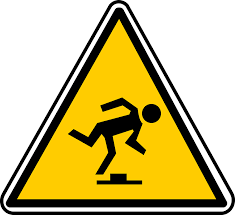 Hazard symbols (yellow triangle with black border) warn us about potential site dangers and their consequences (think: Biohazard sign).
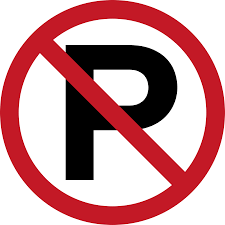 Prohibition symbols (red circle with red slash through middle) instruct us on what activities to avoid when near the site (think: “No Smoking” sign).
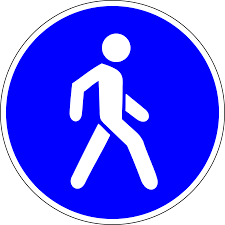 Mandatory symbols (white square or blue circle depicting an instructional action) tell us what we must do to stay safe when near a construction site (think: “Hard Hat Area” sign).
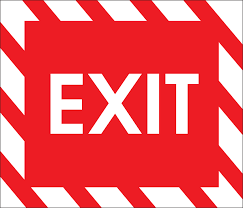 Information symbols (white square with a red image) direct us to important life-saving equipment and exits in case of an emergency (think: Fire Extinguisher sign).
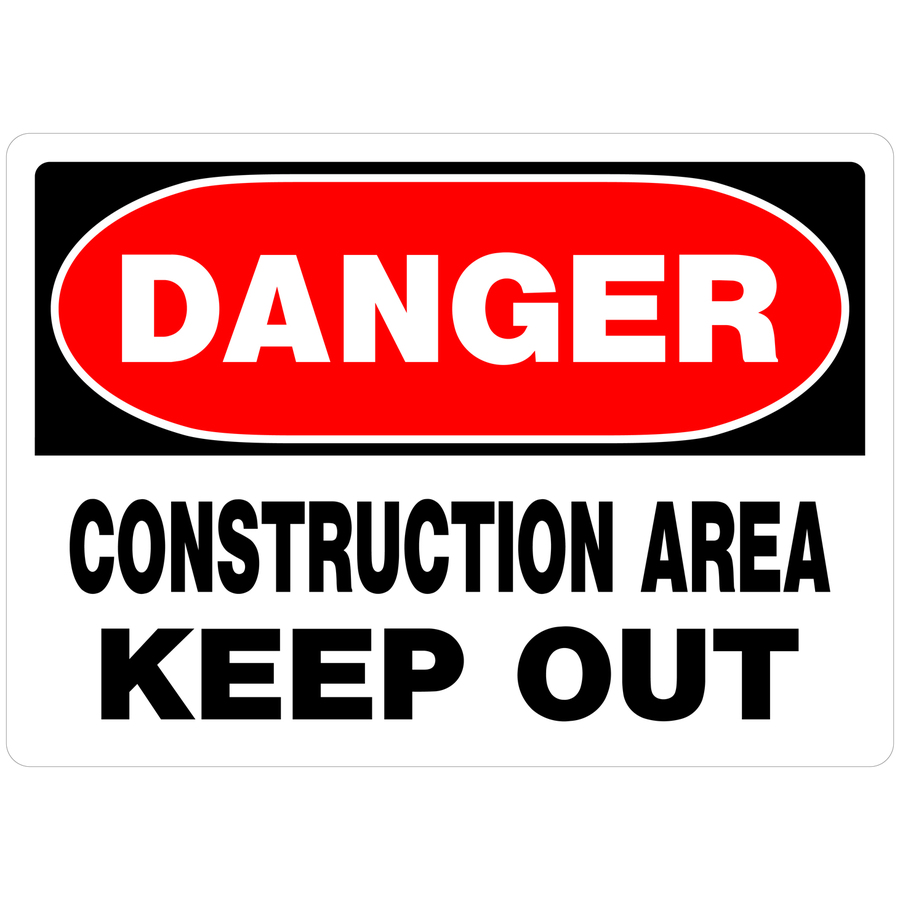 Safety symbols (white square with black image, occasionally accompanied by a red circle with a slash) both shows us the proper steps to take to avoid danger and the consequences of ignoring important hazard warnings (think: “Caution: Wet Floor” sign).
- Avoid “rubbernecking.”
If you’ve recently driven over the Tappan Zee Bridge, you’re probably guilty of gawking at the construction of the new bridge. (And we don’t blame you, it’s shaping up to be quite a beaut!) However, according to a study conducted by researchers at the Virginia Tech Transportation Institute, engaging in distracted driving activities such as rubbernecking can double your risk of crashing. Sneaking a peek at the new bridge for just two seconds can increase the risk of an accident up to 24 times. While construction sites can be sources of curiosity and excitement, catching close-up views of the new bridge’s construction at 60 mph is not worth the risk of threatening your life and the lives of others.
- Don’t gawk: research!
Calm your curiosity safely by visiting this website that keeps you in the loop about projects in New York that are currently under construction. Excessive staring, both while driving and on foot, can cause significant disruptions around a construction site and can be dangerous to yourself, your fellow travelers, and on-site workers. If you are curious about a project, simply select its location on the site’s provided map and read up!