Design-Build Contract D800002: Cashless Tolling, Statewide, NY

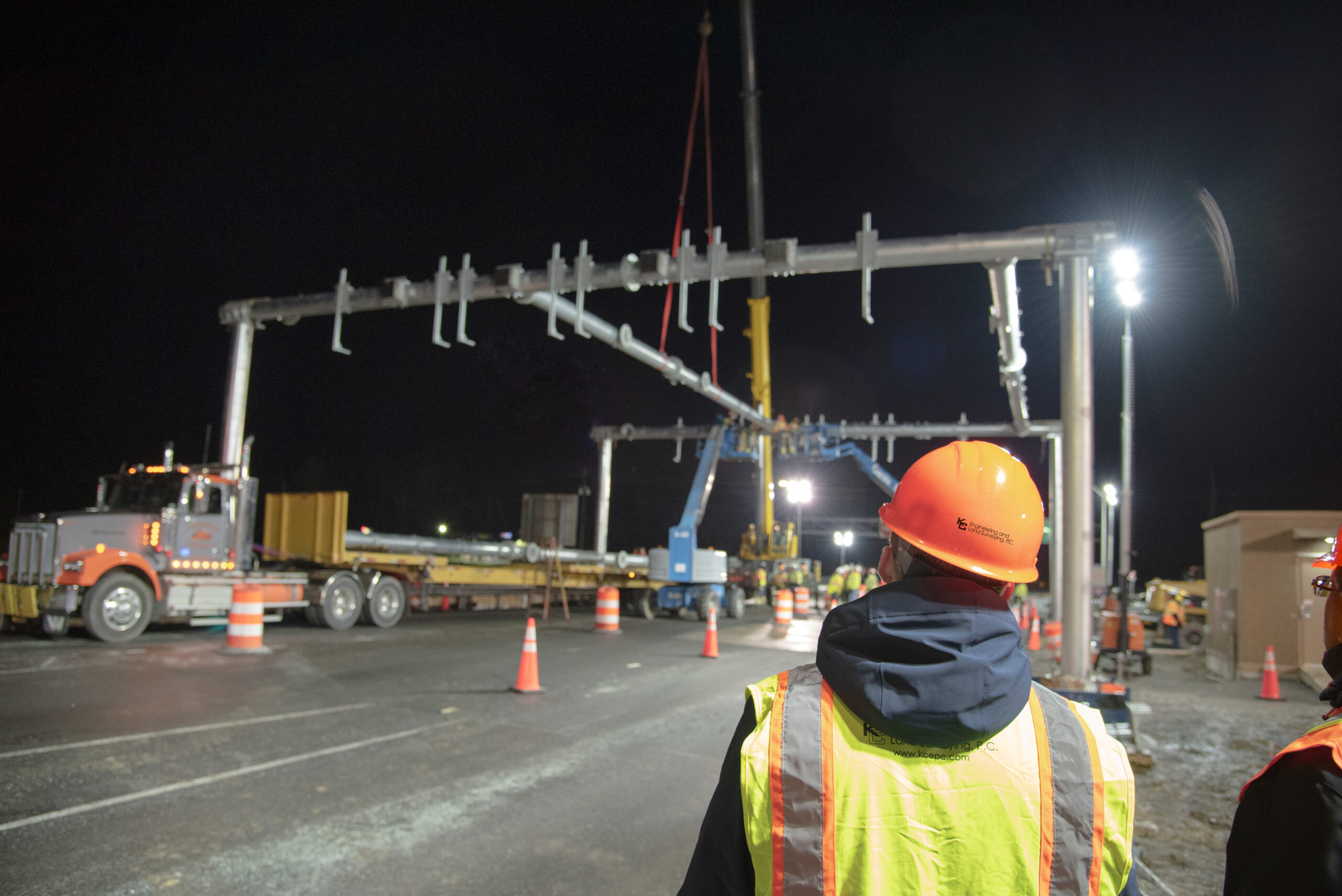
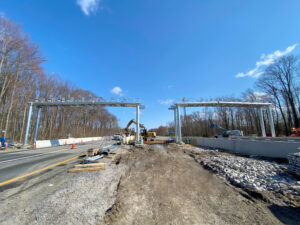
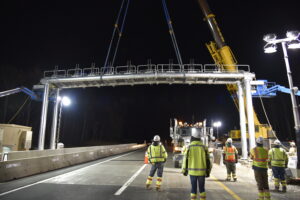
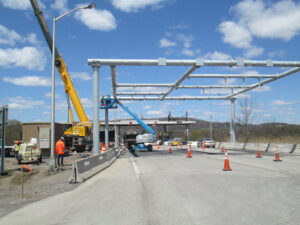
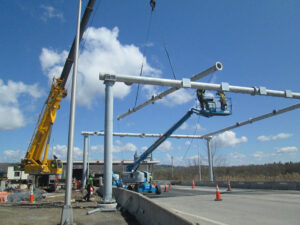
This Design-Build project involves the design and construction of cashless tolling on the New York State Thruway ticketed system from approximately Thruway Exits 16 to 61 (MP 45.00 to MP 496.00), which will save travel time, reduce traffic, and minimize greenhouse gas emissions, benefitting the approximately 267 million vehicles that travel the Thruway each year.

The work varies on a site-by-site basis. Work generally consists of the strategic and cost effective placement of gantries, the removal of toll plazas, the reduction (in most locations) of the infrastructure footprint, positive separation of opposing traffic, signing, striping, design and construction modifications of super elevations to accommodate higher speeds through the gantry and modified toll plaza areas, landscaping, electronic work, communication buildings, tandem lot access modifications or closures or relocations, drainage work, pavement work, coordination with and/or preservation of existing utilities, asbestos and hazardous material abatement, and/or solutions to provide safe ingress and egress to and from the Thruway System.

The Cashless Tolling Constructors, LLC team, of which Stantec Consulting Services Inc and KC Engineering and Land Surveying, P.C. are Lead Designer, was selected as Best Value Team for this project. KC leads the structural engineering team, with work including providing design for four different types of gantries; generators / mechanical, electrical, and plumbing (MEP); and communication buildings, including tie-in points to existing power and fiber sources, adequate parking space, and safe access for maintenance personnel.

KC also performs quality management, surveying, and civil and utility engineering services.

The cashless tolling system went live in November 2020, more than a month ahead of schedule, with toll booth removals, asbestos and hazardous material abatement, and final construction work to occur in 2021.


The Engineering Behind the Macy’s Thanksgiving Day Parade Balloons

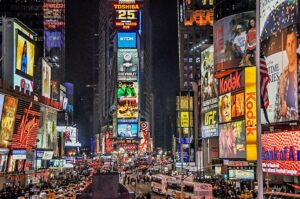
Next week Thursday is Thanksgiving. And while we may spend time eating around the table Thursday evening, many people are sure to kick off the day by watching the Macy’s Thanksgiving Day Parade.

This year due to the COVID-19 Pandemic, the parade will be a little bit different with some extra adjustments in order to keep everyone safe. Macy’s collaborated with the City of New York, to build an ambitious strategy that would continue the parade tradition. According to Macys.com, “In order to avoid gathering large crowds of spectators along our traditional 2.5-mile route in New York City, we have shortened the route to focus solely on the last section of our annual march. On Thanksgiving Day, we will showcase our annual celebration’s signature balloons, floats, performances and herald the arrival of Santa Claus, in front of Macy’s famed flagship store on 34th Street for our national television special on NBC.”

The concept behind the parade will remain the same, so if you’ve ever wondered about all the science and engineering behind the parade, read on.

When engineering a new balloon design, creators first sketch out a diagram, which is examined and adjusted by engineering experts, to ensure that the design will safely float. Then dimensions are determined, and a real-size clay model of the design is created, to calculate how much fabric and helium is needed.

The float then goes through months of testing, conducted by dozens of handlers. The tests are to ensure proper inflation and deflation, easy handling, and more. Then the finishing touches are added to the balloon.

Fun Facts:

  • It takes 90 minutes to inflate a balloon and 15 minutes to deflate one.
  • The average balloon requires 12,000 cubic feet of helium. That’s enough to fill about 2,500 bathtubs.
  • Balloon pilots must attend training and must be able to walk the parade route backwards. Balloon handlers support the pilot and help maintain control of the balloons. They must weigh at least 120 pounds and be in good health.
  • For more information about this year’s parade, go to: https://www.macys.com/social/parade/

Plattsburgh Streetscape and Riverfront Access Design Project

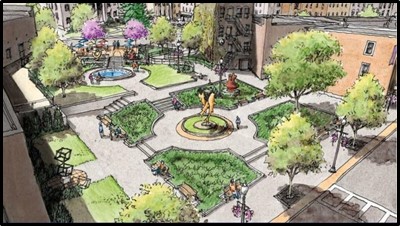
This project included engineering and design services to improve riverfront access and increase visitation, connectivity, and pedestrian traffic by designing sidewalk, lighting, and aesthetic improvements. The project area included Saranac River, located between Broad Street Bridge and the pedestrian footbridge, as well as 11 total streets, parks, and green spaces.

The scope of work included sidewalk and street improvements and widening, green space enhancements, implementation of traffic calming measures, lighting improvements, and additional design components.

As subconsultant, KC was responsible for determining current and estimated future downtown walkability conditions, providing design input and analysis for potential conflicts with parking and waterfront recreation, and reviewing project specifications and final design drawings. KC provided drawings in support of relevant permit applications and conducted Americans with Disabilities Act (ADA), Rehabilitation Act, and Title VI Conformance summaries.

KC also provided supplementary survey services to support development of construction drawings for the City as well as bid phase support services for development of technical specifications.


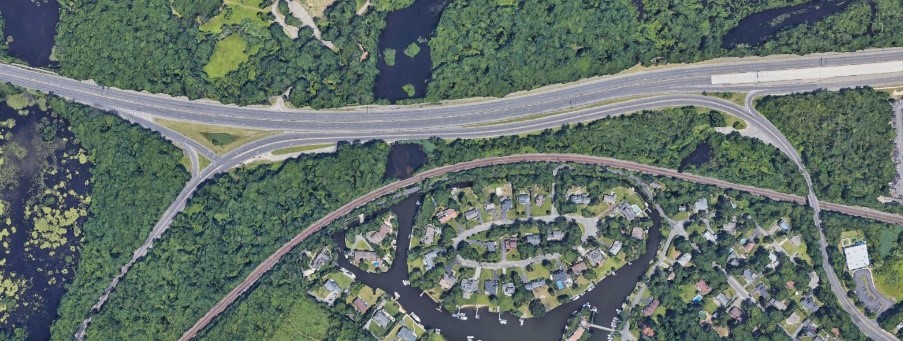
Sunrise Highway (NY-27) Oakdale Merge Planning / Feasibility Study

As part of a Regional Design Services Agreement (RDSA), the project served to identify, evaluate, and document existing conditions and deficiencies and propose feasible conceptual alternatives to mitigate said deficiencies.

The project site experienced significant congestion and delays during peak travel periods, as motorists encountered recurring bottleneck in the eastbound and westbound approaches to Oakdale Merge.

The feasibility study described the highway facility and its role in the local and regional surface transportation network, defined existing operational issues and deficiencies, established the need for a capital construction project to reduce the issues, recommended and assessed various alternatives, and assessed the impacts of each proposed alternative.

The scope of work also included review of environmental impacts due to the site’s proximity to New York State of Department of Conservation (NYSDEC) wetlands and the Connetquot River State Park. The project required continuous coordination with the New York State Parks Department, NYSDEC, Suffolk County Department of Public Works (DPW), and the Town of Islip.

KC was responsible for developing detailed cost estimates for the alternatives identified in the feasibility study and performing HCS traffic analyses.


Adirondack Welcome Center

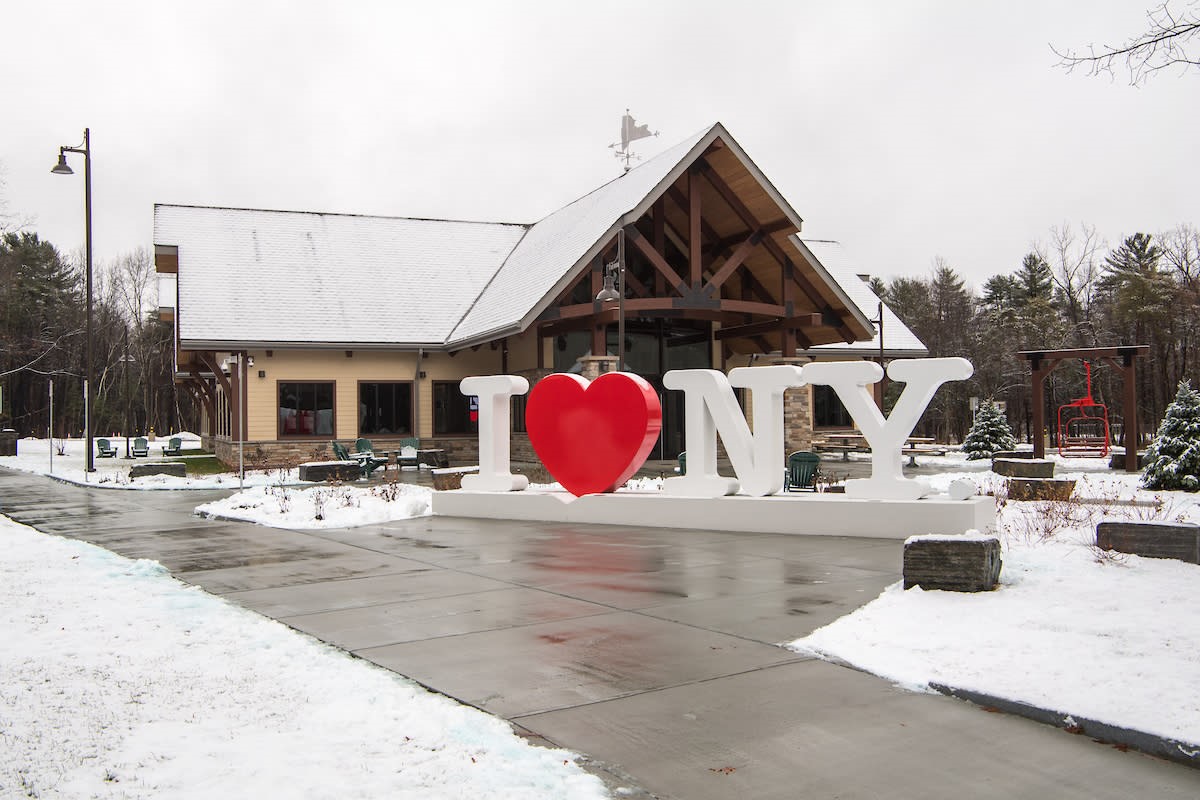
As part of a Regional Design Services Agreement (RDSA), this project served to construct a new I-87 northbound welcome center in West Glens Falls. The new facility replaced an existing rest area in excess of 25 years old. The new Adirondack Welcome Center included construction of a new building with parking lot and boat inspection areas, lighting, a new septic system, waterline work, and utility upgrades.

As subconsultant, KC was responsible for assisting New York State Department of Transportation (NYSDOT) with reviewing and reapplying for New York State Department of Environmental Conservation (NYSDEC) State Pollutant Discharge Elimination System (SPDES), water connection system, and septic system permitting.

KC also provided detailed design for water supply, wastewater septic, and stormwater systems; design survey and mapping for confirmation of existing infrastructure; preliminary building and site construction cost estimating; and existing utilities identification and coordination. KC also developed site drainage, sanitary system, and grading design alternatives; identified existing drainage basins to determine the impact of proposed construction on erosion and sedimentation; developed the Stormwater Pollution Prevention Plan (SWPPP); and prepared cross sections to outline existing ground and proposed roadway surfaces.