East Midtown Greenway Breaks Ground


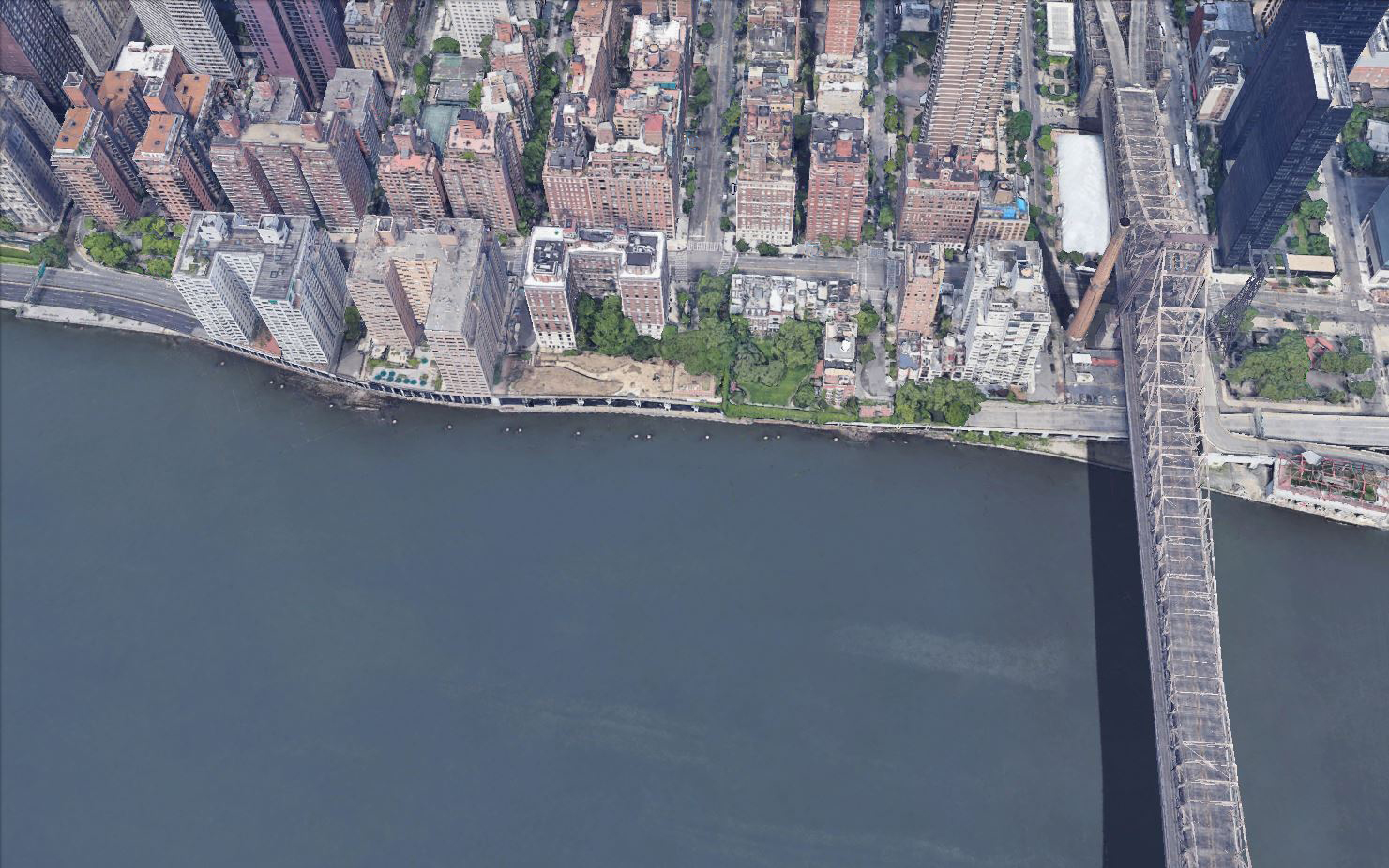
On Friday, November 22, 2019, workers broke ground on the highly anticipated East Midtown Greenway (EMG) project for the NYC Economic Development Corporation (NYCEDC). The Department of City Planning (DCP) determined in 1993 to create a mixed-use path encircling the entire island of Manhattan. The West Side has been quicker in advancing this vision than the East; however, the design and construction of the EMG is a significant step towards achieving this goal. KC Engineering and Land Surveying, P.C. is thrilled to have played a major part in bringing this project to fruition.

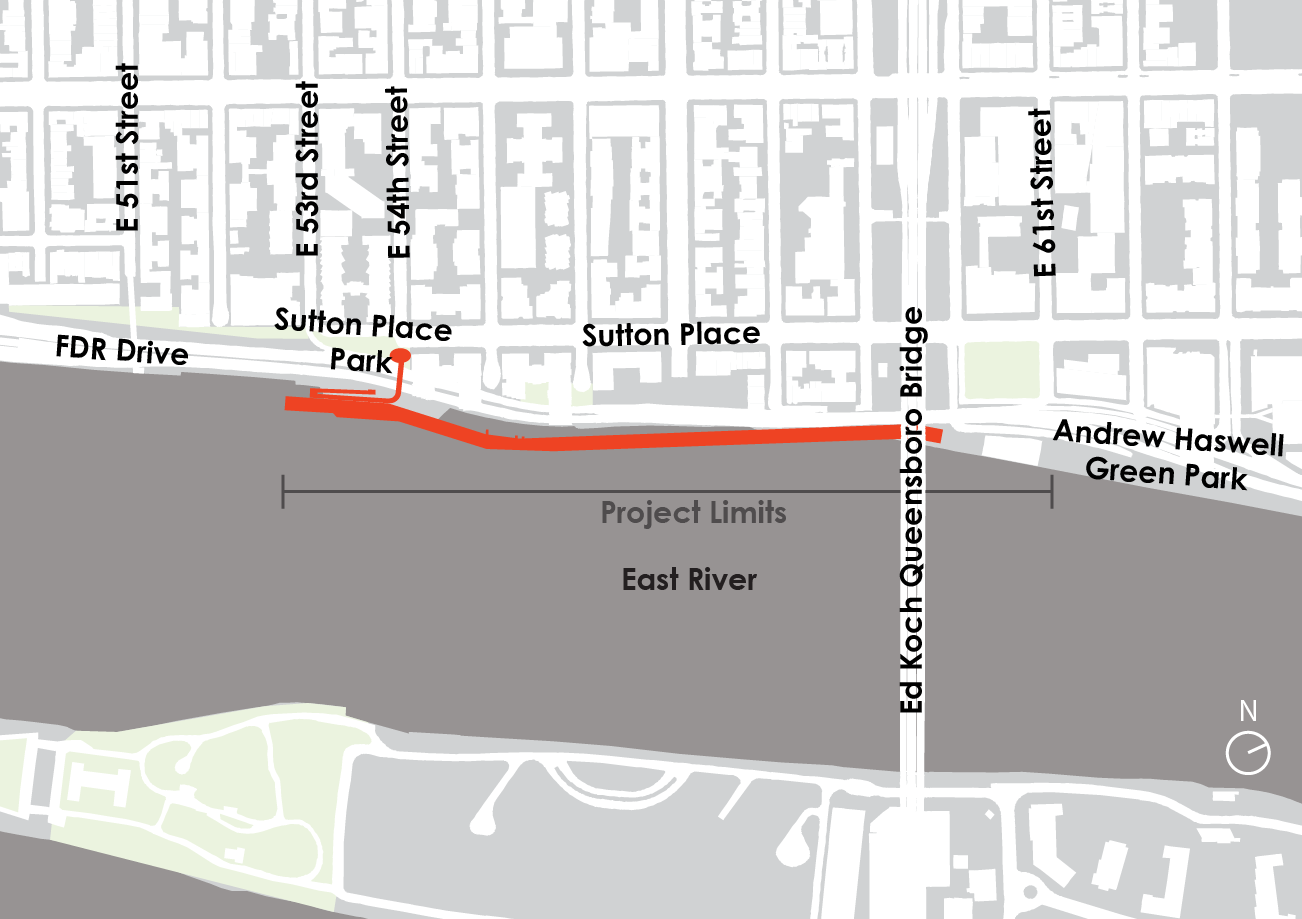
The EMG is the second phase of a three phase development entitled the East Midtown Waterfront Project (EMWP). The intent of the EMWP is to construct a continuous public waterfront esplanade over the East River in Manhattan, NY. The EMG’s southern and northern termini are East 53rd Street and East 61st Street.  The project also includes a new pedestrian bridge that will provide access the esplanade at 54th Street and Sutton Place South.

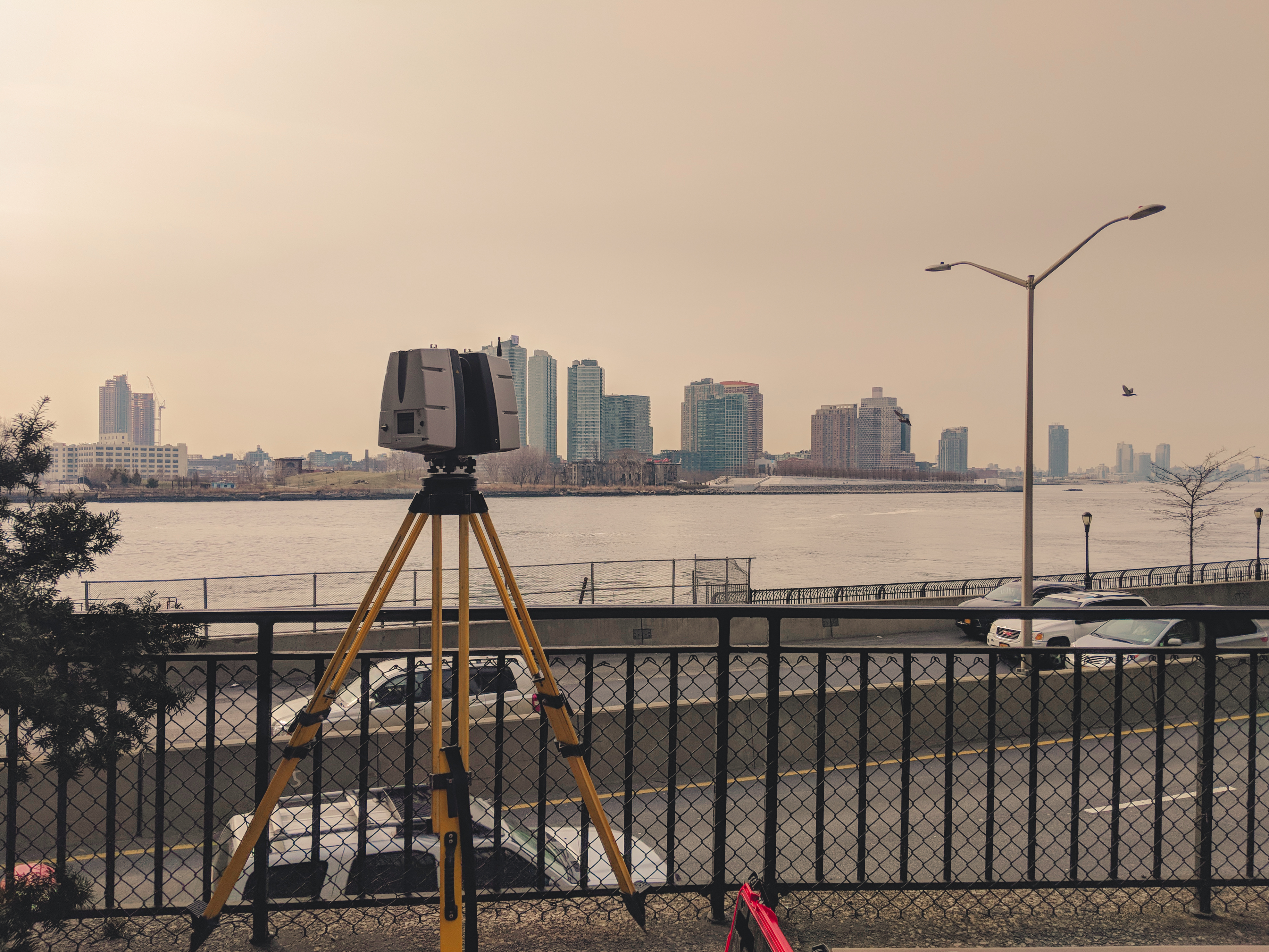
KC performed the topographic survey, utility survey, and easement survey for the project. Work associated with the production of these deliverables included a comprehensive investigation of all available record utility and government agency maps. KC also researched available design drawings, as-built drawings, and aerial maps spanning approximately 80 years to understand site conditions, both above and below ground.  KC’s survey crew coordinated with an arborist to accurately measure, classify, and record all trees within the project limits.

KC also assisted in providing an existing conditions report.  Narratives provided a detailed description of the project land use, ownership, and zoning. This report also included a written description of onsite utilities and important features including an existing 11-foot gravity retaining wall and a comprehensive engineering investigation of an existing bridge located adjacent to the project area.

In addition, KC actively coordinated with the NYCEDC and a bridge architectural firm to provide a bridge design that is visually appealing, meets the high expectations of the community, and adheres to the design standards set forth by both the NYC Department of Transportation (NYCDOT) and the New York City Department of Parks and Recreation (NYCDPR). The primary structure is a steel tied arch bridge with one arch on either side of the walkway.  These arches have a rise of 18 feet, and are inclined 6 degrees outward.  The walkway is a concrete deck with a clear width of 14 feet between railings.  Lighting fixtures will be mounted directly onto the arches to provide ample lighting onto the bridge deck, while minimizing impacts to adjacent homes and the parkway below.  The bridge will serve pedestrians and bicyclists, and will have striping and signage to safely facilitate both.

Additional Press Coverage:
NBC New York
amNY


Tips for Managing Work Stress


The engineering field is increasingly touted as one of the best STEM career fields for college students to pursue. It pays well, there are many specialties within the field that students can opt to study, and there is an almost never-ending supply of job opportunities.

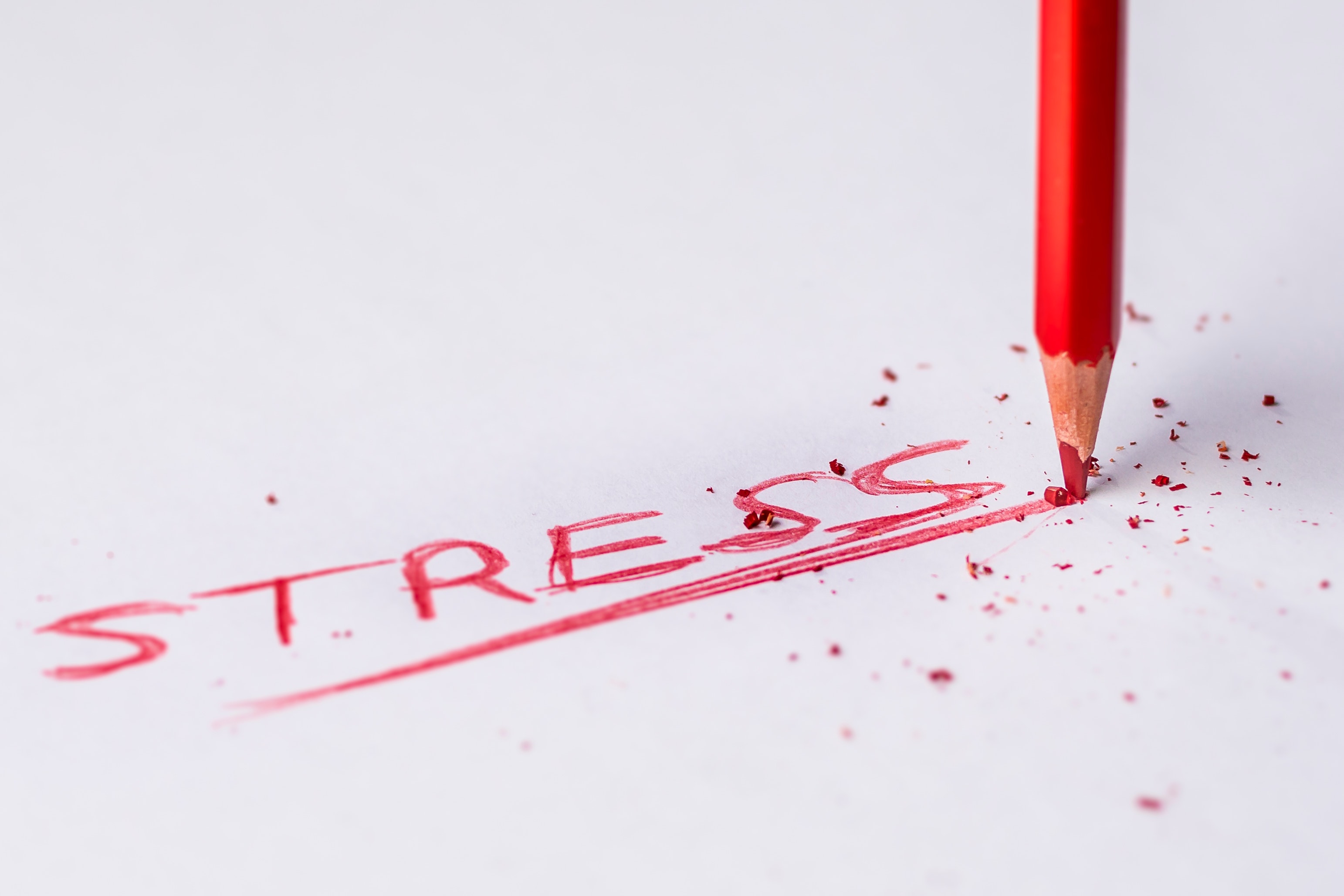
While engineering is a stable, well-paying field, both the abundance and importance of the work can sometimes make it stressful. Some helpful tips for managing job stress can go a long way in preventing you from becoming overwhelmed or burned out while on the job.

Engineers constantly contend with looming deadlines, which can cause unexpected stress. Before you start a project, break it up into smaller, manageable tasks and make a schedule for yourself that contains a timeline for accomplishing each task.

Consider delegating certain tasks or asking others for assistance in accomplishing the work. Teamwork is an important component for any project, and being afraid or ashamed to ask for help can actually derail your career and personal growth.

Find coping tools that help alleviate stress. Whether it’s exercising or pursuing a hobby before or after your shift; listening to music while you work; or taking a five-minute break during the day to stretch your legs, take a few deep breaths, and just clear your mind – figure out what helps you and find ways to incorporate those strategies into your routine.

Don’t feel that you have to suffer in silence. This doesn’t mean you should sow seeds of discontent by complaining to anyone who will listen, but if you feel the project deadline is unrealistic for your workload, have a candid conversation with your supervisor. They likely have the experience, knowledge, and insight that can maximize your productivity and may be able to approve overtime to help you meet the deadline. Additionally, your supervisor may delegate some of the work to others on your team to help lift the weight from your shoulders.

Even if the deadline is set in stone, articulating that you are invested in doing your level best to meet the deadline will go a long way toward demonstrating your maturity, conscientiousness, and commitment to the company.

Finally, think positively. Allowing yourself to become mentally bogged down in a vortex of worry, anger, and confusion can actually slow your productivity. If you spend too much time focusing on the idea that you can’t accomplish the task, it will become a self-fulfilling prophecy.

Instead, rise to the occasion. Make a plan and get to work. Find solutions, not problems. Instead of focusing on the negative, find ways to adapt and solve problems. Don’t allow negativity, whether from others or in your own mind, to sabotage you. Focus your mind and energy on being a problem-solver. This will get you further and can help you stand out as an innovator and someone who takes initiative.

At the end of the day, we each have a lot more control over the success of every project than we think, but it all starts with our mindset.


Seasonal Tricks for Environmental Treats

The autumnal equinox is in full swing and it’s almost Earth Day’s half birthday, so what better way to celebrate than with a few tips for seasonal cleaning and conservation?

Double, Double, Soil and Trouble

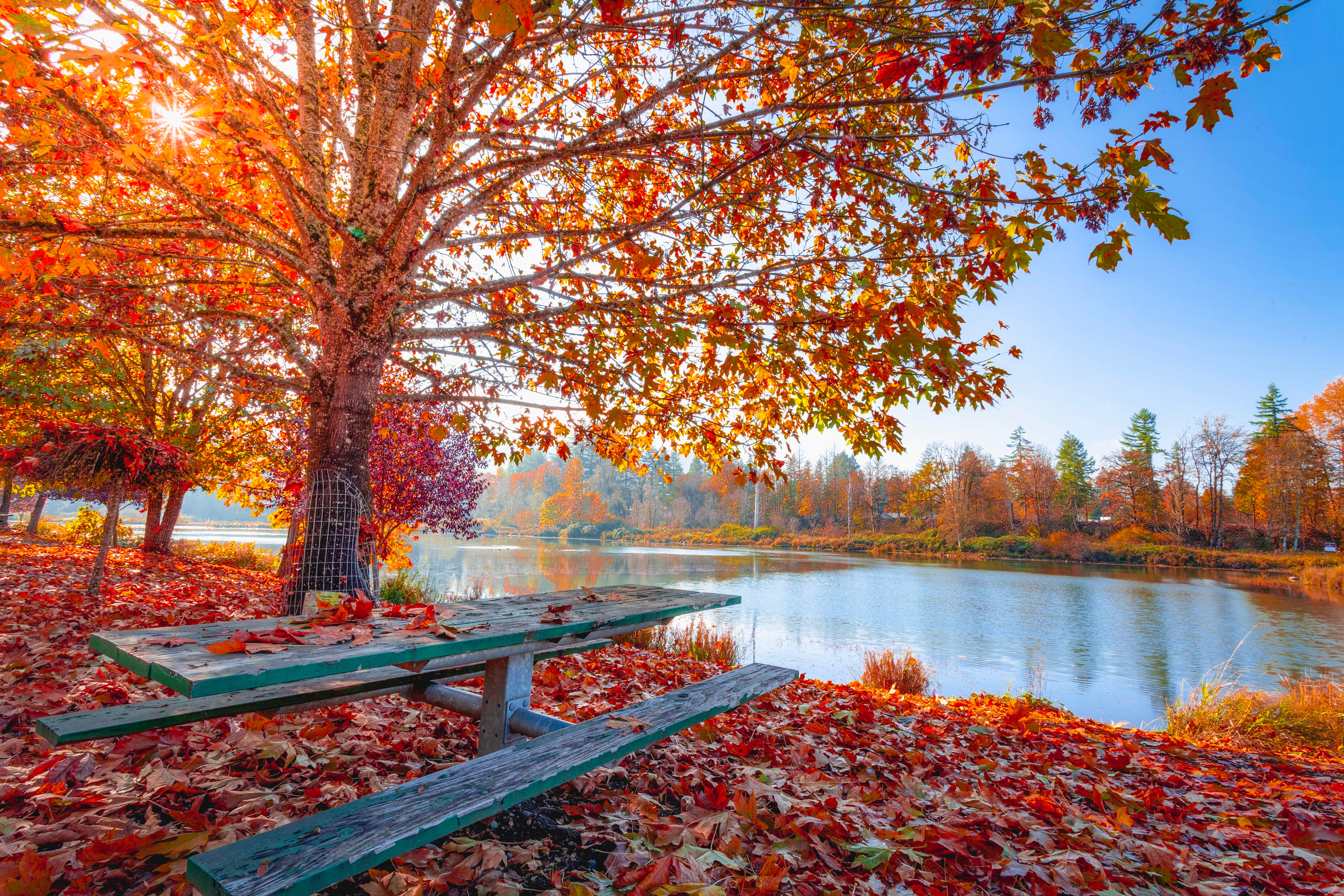
It’s easy to resent those beautiful maple trees in your front yard when you remember that they’re deciduous, but before you start stretching to prepare your body for hours of raking, consider mowing the lawn. Not only is it faster to deal with leaves using your mower, but these leaf pieces can be used to enrich the soil beneath your grass.

To mulch your leaves and feed your lawn, Scotts Miracle-Gro recommends taking off the grass catcher and mowing your leaves into dime-sized pieces. According to Scotts, “you’ll know you’re done when about half an inch of grass can be seen through the mulched leaf layer.” Other lawncare services say that it’s sufficiently mulched when you can see 50% of the grass through the leaf pieces, so either unit of measurement works. The more the leaves are mulched, the faster they will decompose.

Once the leaves are cut into small pieces, microbes and worms in the soil will start decomposing it for you, and your lawn will be happier as a result – as will your back, which avoided raking!

Waste Not, Haunt Not

The only thing more terrifying than Halloween is improvidence – luckily, it’s easy to get festive while staying eco-conscious. Blogger Beth Bucynski wrote an article for Care2 Causes sharing some of her favorite tips for recycled Halloween decorating, with everything from thrift-store scarecrows to cheesecloth ghosts. Here are a few of her suggestions:

Next time you finish the rest of the eggs in your fridge, hold onto the egg carton. With some careful cutting, some non-toxic paint, a few strands of ribbon, and a few googly eyes, you can make an upcycled bat with ease.

The same can be done with several empty plastic milk jugs and ribbon to make an upcycled skeleton!

If you saved some of the leaves before making mulch, throw them into a few biodegradable garbage bags, apply some felt eyes and teeth, and show off your very own trash tarantula.

Night of the Composting Garden Bed

With Halloween right around the corner, there’s a good chance you’ve got a pumpkin or two – but what’s your plan for November? Rather than hiding them in your trashcan or letting them rot on your porch through January, compost them. Pumpkins are great composting material, so long as you take a few careful steps in preparation.

Make sure your jack-o’-lantern’s candles are removed, as well as any candle wax inside. If your pumpkin is decorated with ribbons or stickers, take these off too. According to Earth 911, pumpkins that have been painted or coated with a preserving sealant or glitter should not be composted, but if only a portion of the pumpkin is coated, it’s okay to cut off that portion and compost the rest. Finally, remove any pumpkin seeds to prevent germination in the compost pile.

Just like with the leaves, the more cut up/divided the pumpkin is, the faster the rate of decomposing – a good excuse for smashing pumpkins.

According to Earth 911, if you don’t have a compost bin, you can dig a hole in a garden bed or your yard and add the pumpkin. Next, replace the soil over the hole, and it will compost naturally through the winter. In the meantime, you can rest assured knowing your lawn is taken care of, your egg cartons didn’t go to waste, and your pumpkin will nourish your flowers in the spring.


No Need to Hide From the SEQR

It’s easy to focus on Jason Voorhees’ mayhem while watching “Friday the 13th” – another typical slasher villain with supernatural powers and a concentrated rage against teens – but most people seem to overlook one of the more horrifying aspects of the movie: Camp Crystal Lake’s crystal lake.

While the grounds around the camp were considered cursed for decades due to mysterious slashings and disappearances, the actual body of water itself was left unchecked for years, causing it to become quite perilous. From bodies decomposing within its depths, to the discovery of poisoned water in the late ‘60s, to the aquatic resurrection(s) of drowned-boy-turned-monster Jason Voorhees, Crystal Lake has seen a fair share of hazardous material.

But if Tommy Jarvis is the easy pick for defeating Jason, who’s going to help fight the equally infested Crystal Lake? Easy: The State Environmental Quality Review Act (SEQR) and an Environmental Impact Statement (EIS).

What is SEQR? New York’s SEQR requires all state and local government agencies to weigh environmental impacts on the same level as social and economic factors when it comes to making a decision that can potentially affect the environment. For example: before physically developing a mine, road, or landfill (among other physical projects), the mentioned action must be assessed for its impact on the environment. The SEQR process essentially highlights the responsibility of local and state agencies, ensuring that they will prioritize the environment just as they would other factors when planning or executing projects.

If an action is deemed to have no significant adverse environmental impacts, a Negative Declaration is prepared and the project does not require further review under SEQR. However, if the action is deemed to have potentially significant adverse environmental impacts, an EIS is required.

Wanting to drain Crystal Lake of its toxins and bodies to one day create a wastewater treatment plant would likely require an EIS, as would flushing out the Black Lagoon in search of the Gillman. According to one of KC's environmental experts, a source who would prefer to remain anonymous, a component of the SEQR process involves preserving historic sites and endangered species. “The lake as an ancient burial ground would need a Phase 1A and 1B Archaeological study at the least, maybe even a protected area and plaque,” says the anonymous source. Additionally, thanks to SEQR, endangered species (such as swamp monsters) would require protected habitats. “[Gillman] would be protected under both the state and federal Endangered Species Act,” added the source. “Sorry – no hunting him into extinction!”

What does an EIS do? An EIS is used to describe and analyze a project for all of its potentially environment-altering factors, allowing for reasonable alternatives to be made that will not be as impactful to the environment. After the EIS is drafted, it is presented to the public for comment and subsequently reviewed, connecting government agencies to project sponsors and the general public.

Some actions, called Type II actions, never require an EIS, including: building minor structures, such as garages, barns, and swimming pools; routine activities of educational institutions, including expansions of existing facilities by less than 10,000 square feet; and rebuilding or replacing facilities, in kind, on the same site. New York State’s Department of Environmental Conservation has the full list of such actions, as well as a step-by-step guide through the entire SEQR process, on their website.

Next time you’re watching your favorite horror flick or scuba diving in Minnesota, take a moment to look past the monsters and consider the true terrors that could come with unchecked environmental irresponsibility. Up next on the big screen: It Came from Collect Pond!


5 Engineers You Should Know About

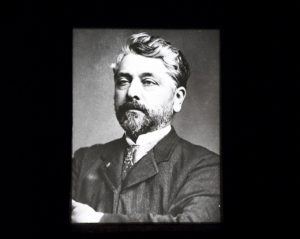
Gustave Eiffel


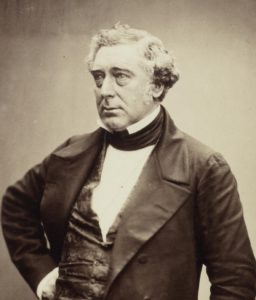
George Stephenson


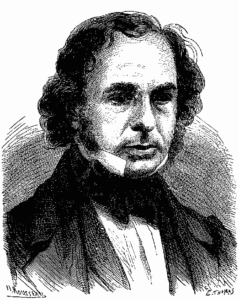
Isambard Kingdom Brunel


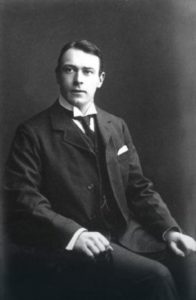
Thomas Andrews


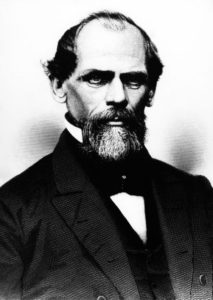
John Augustus Roebling


1. Gustave Eiffel (1832-1923): A renowned French civil engineer and architect, Gustave Eiffel is remembered as “the Magician of Iron.” Can you guess which famous iron structure this magician cast? Indeed, his masterpiece is the Eiffel Tower. During and after its construction, thinkers of the time criticized the tower’s ambitious design. Some even protested the tower, claiming Eiffel was blatantly disregarding the principles of physics to create an artistic form. However, his design for what was then to be the tallest tower in the world accounted for the real-world conditions that it would need to withstand:

Is it not true that the very conditions which give strength also conform to the hidden rules of harmony? … Now to what phenomenon did I have to give primary concern in designing the Tower? It was wind resistance. Well then! I hold that the curvature of the monument's four outer edges, which is as mathematical calculation dictated it should be … will give a great impression of strength and beauty, for it will reveal to the eyes of the observer the boldness of the design as a whole. – Gustave Eiffel

Thanks to both Eiffel’s genius and his boldness, the Eiffel Tower today enjoys a coveted spot on the list of the Seven Wonders of the World, and it remains a veritable global icon.

2. George Stephenson (1781-1848): George Stephenson revolutionized transportation and urban infrastructure by creating the world’s first public inter-city railway line that used steam locomotives. This British Engineer, often referred to as “The Father of Railways,” is also credited with devising the historic measurement of the rail gauge at four feet eight-and-a-half inches, which became the standard railway gauge measurement worldwide.

3. Isambard Kingdom Brunel (1806-1859): A celebrated experimenter and risk-taker, Isambard Kingdom Brunel was the man behind the Great Western Railway, the company that connected London to the west part of England. His unconventional thinking led him to many firsts: from being the first engineer to envision building a tunnel under a river to playing a key role in the development of the first propeller-driven iron ship.

4. Thomas Andrews (1873-1912): Thomas Andrews was the principal architect for the infamous RMS Titanic. He was aboard the ship during its maiden—and only—voyage in 1912, and when the ship hit an iceberg, he calculated that it would sink within a few short hours. Survivors’ accounts tell of Andrews bravely alerting passengers of the imminent danger, urging women and children to board the severely limited number of lifeboats. Andrews was also said to have suggested more than twice the number of lifeboats the Titanic was given and a double hull and watertight bulkheads during planning and construction, suggestions which were rejected. He perished in the ship’s sinking, a harsh lesson in the consequences of industrial hubris, prioritizing profit over safety.

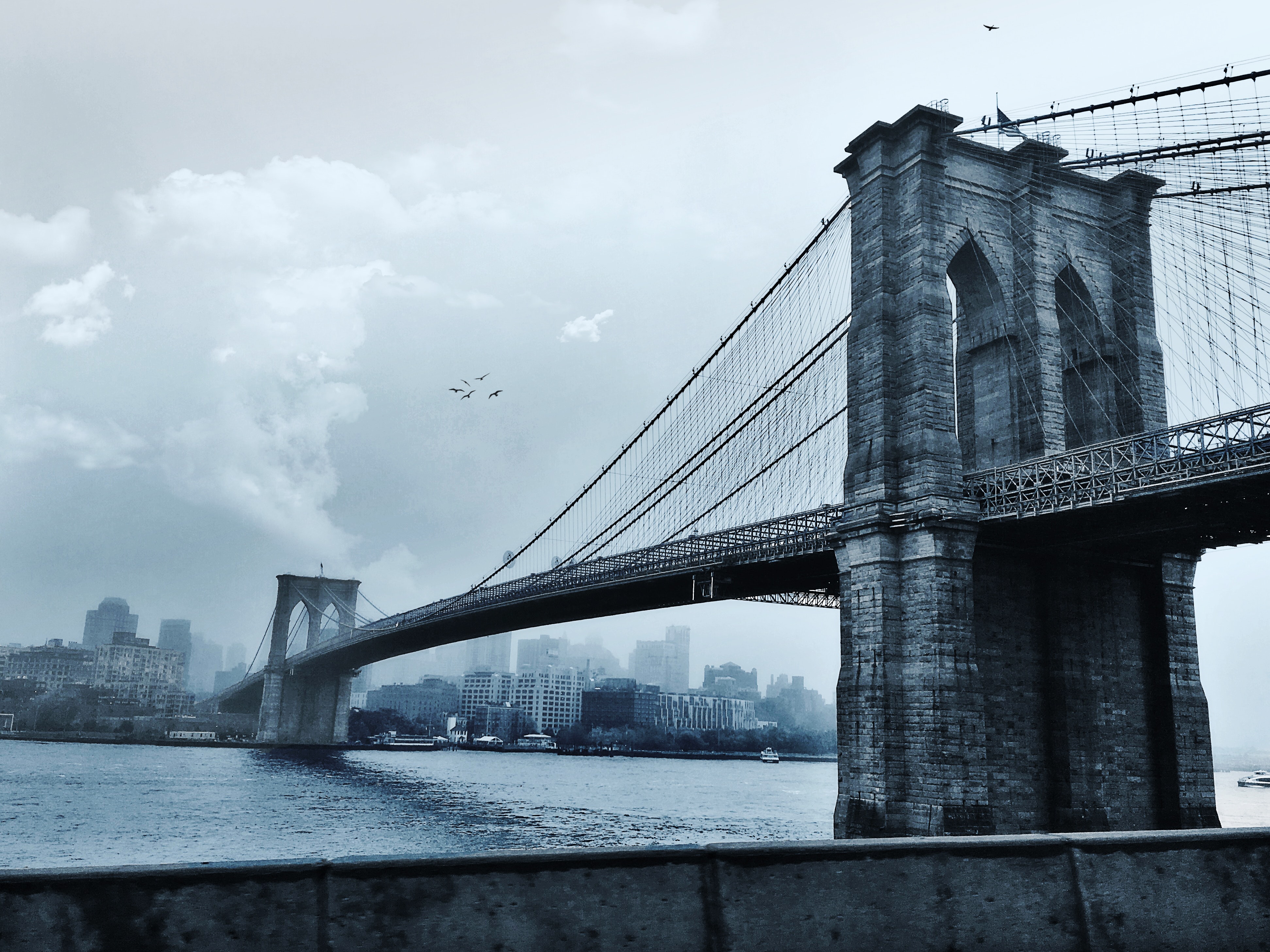
5. John Augustus Roebling (1806-1869): A Prussian immigrant renowned for his suspension bridge designs, John Augustus Roebling discovered a method of twisting iron together to create a “wire rope,” which he manufactured and used to construct durable suspension bridges. One of the most famous projects he designed was the Brooklyn Bridge. Unfortunately, he sustained an injury in an on-site accident that resulted in a fatal case of tetanus before the bridge could be completed.

Bonus! – Emily Warren Roebling (1843-1903) and Washington Roebling (1837-1926): Emily Warren Roebling broke down gender barriers while building the Brooklyn Bridge. Hailing from the Hudson Valley, she studied engineering in Europe alongside her husband Washington Roebling, the son of John Augustus Roebling. Washington took over as Chief Engineer following his father’s death, but he soon developed caisson disease and became too ill to work. Emily then stepped in as “the first woman field engineer.” She carried out many of Washington’s duties, overseeing construction until the bridge’s completion in 1883.