Washingtonville Culvert and Drainage Improvements

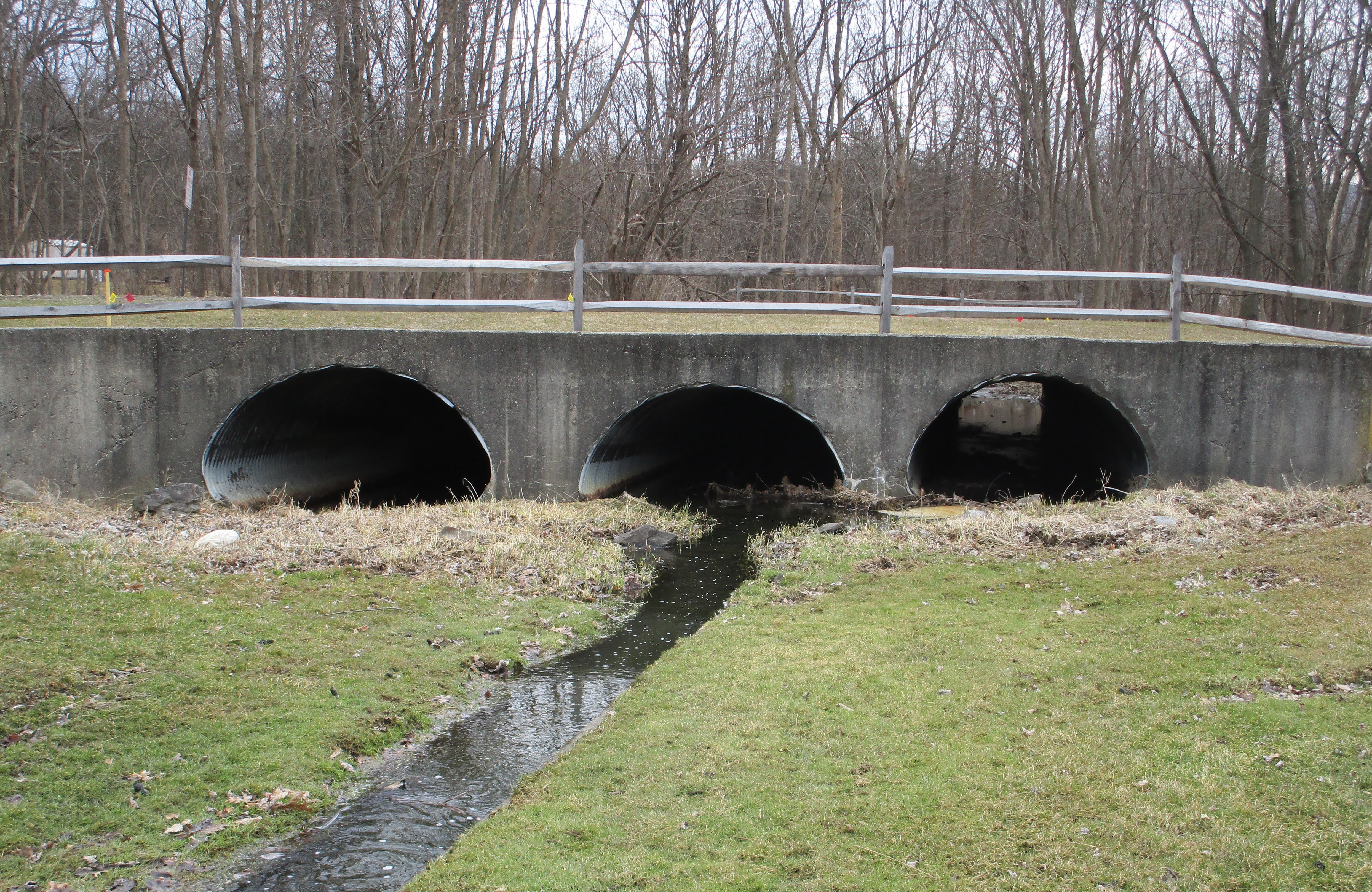
The project scope includes replacement of the undersized culvert under State Route 94 in Washingtonville, NY, which is located directly east of the Ahern Boulevard and State Route 94 intersection.

KC is responsible for providing architectural and engineering design, bid phase, and construction administration and support services. The scope of work includes field and right-of-way (ROW) surveying and base mapping, preparation of highway and bridge design packages, and project management for preparation of contract documents. KC is also providing engineering consulting services, working with the Town and the New York State Department of Environmental Conservation (NYSDEC) to obtain the required permits.

During the construction phase of the project, KC will provide construction inspection services to ensure contract compliance, design intent, quality of workmanship, and material acceptance. KC will also prepare as-built drawings.

South Street Pump Station Emergency Generator Replacement

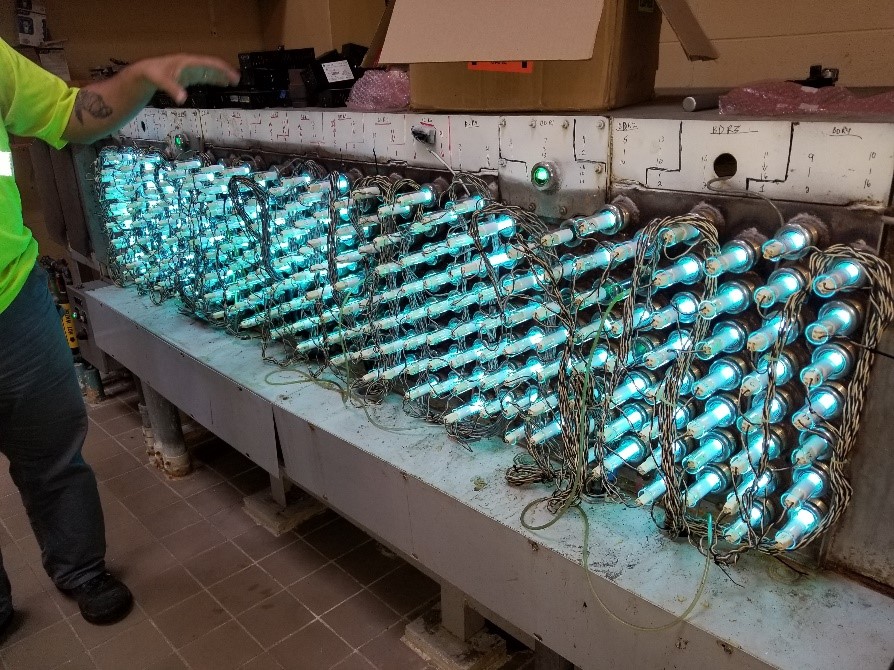
The Village of Suffern owns and operates a pump station, located on South Street, as part of the sanitary sewer collection system. This pump station is the largest within the collection system and serves as the primary pump station. The pump station is located within the floodway of the floodplain and received significant damage during Hurricane Irene, which also had a direct impact on the emergency generator.

KC is responsible for providing engineering consulting services for the project, which includes performing site and existing condition investigations and preparing design documents, specifications, and the engineering cost estimate. KC is also providing bid phase services, including preparation of bid and contract documents.

The scope of construction work includes removal of the existing generator, all associated accessories, and the transfer switch; installation of a 150-kilowatt generator and automatic transfer switch; reconnection of the new generator to the existing control panels; and installation of all wiring, conduit, and appurtenances to and from the new generator to provide a complete and functional backup power generation system.


Intern Day 2019

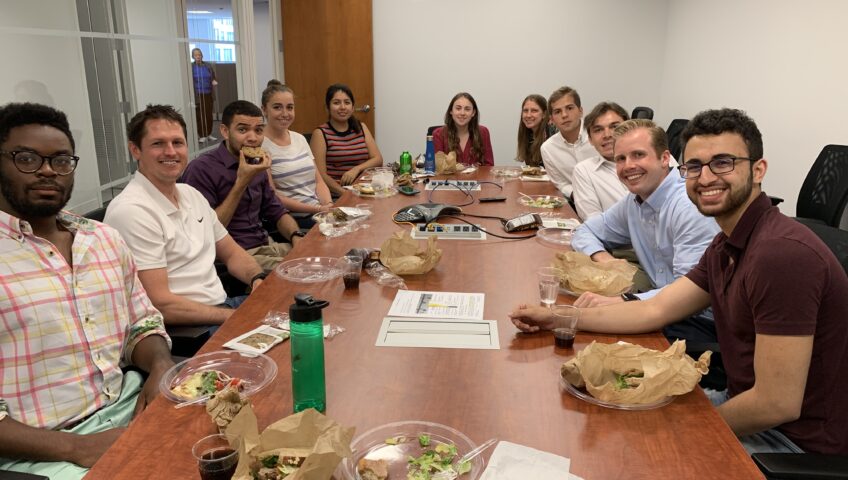
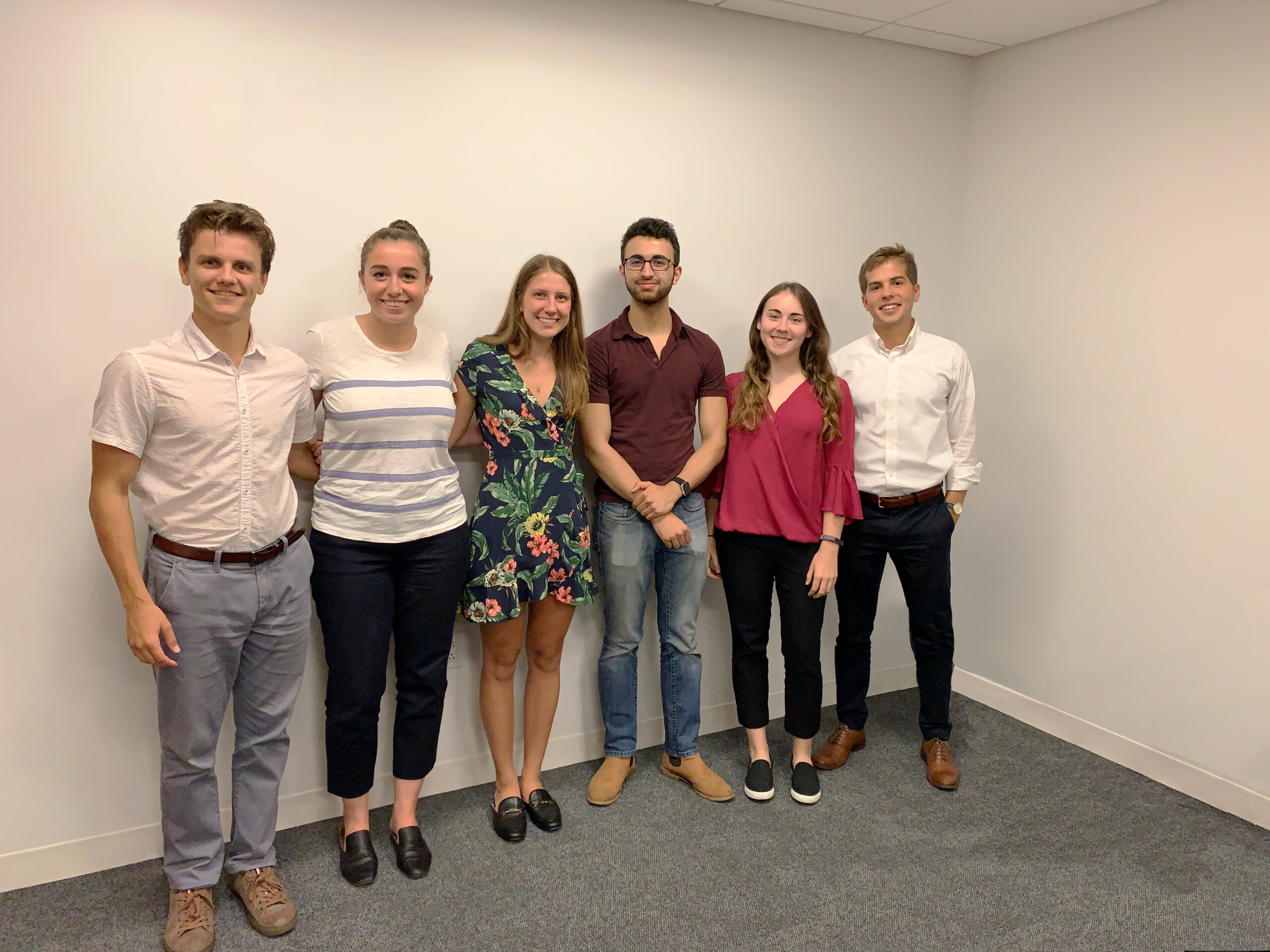
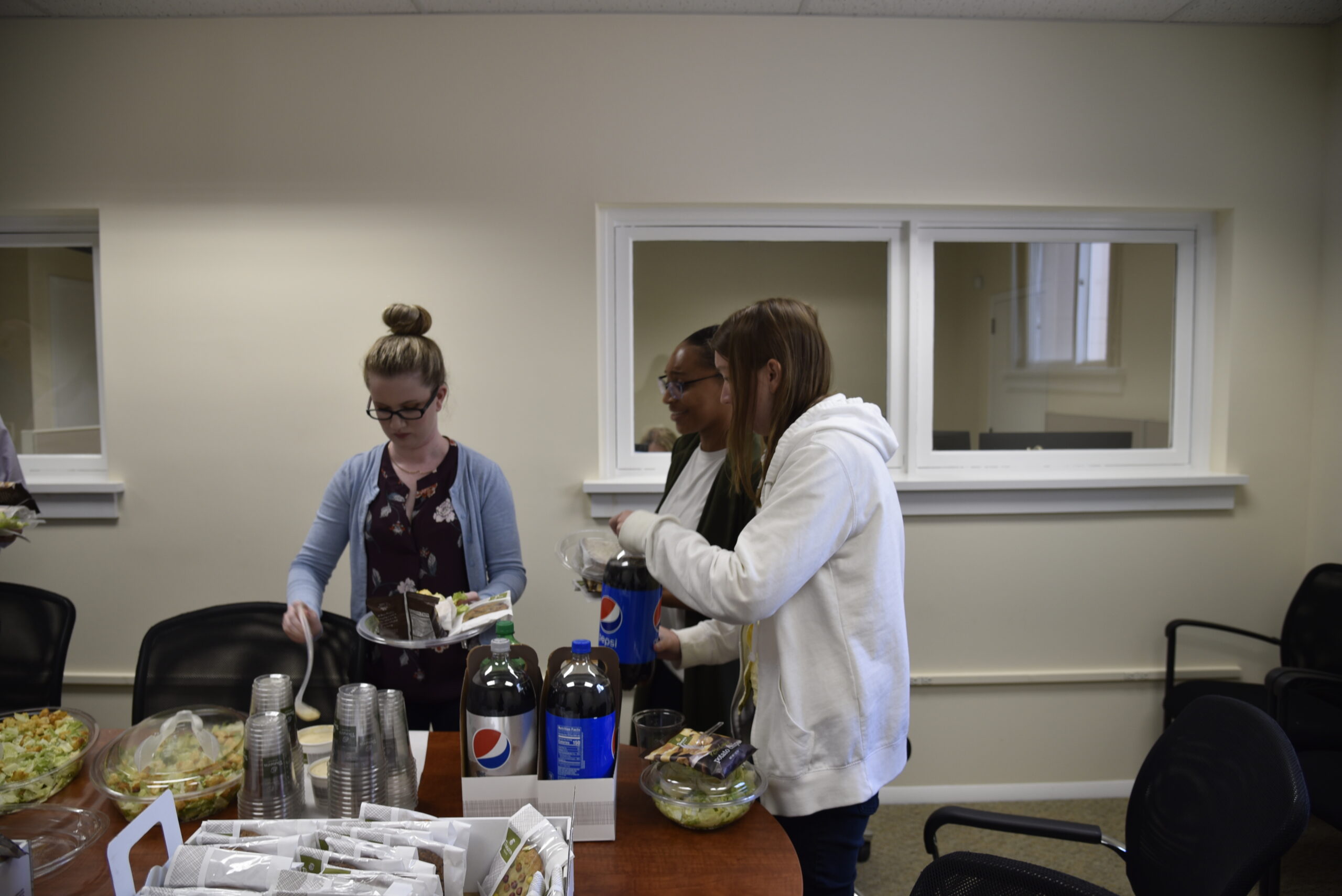
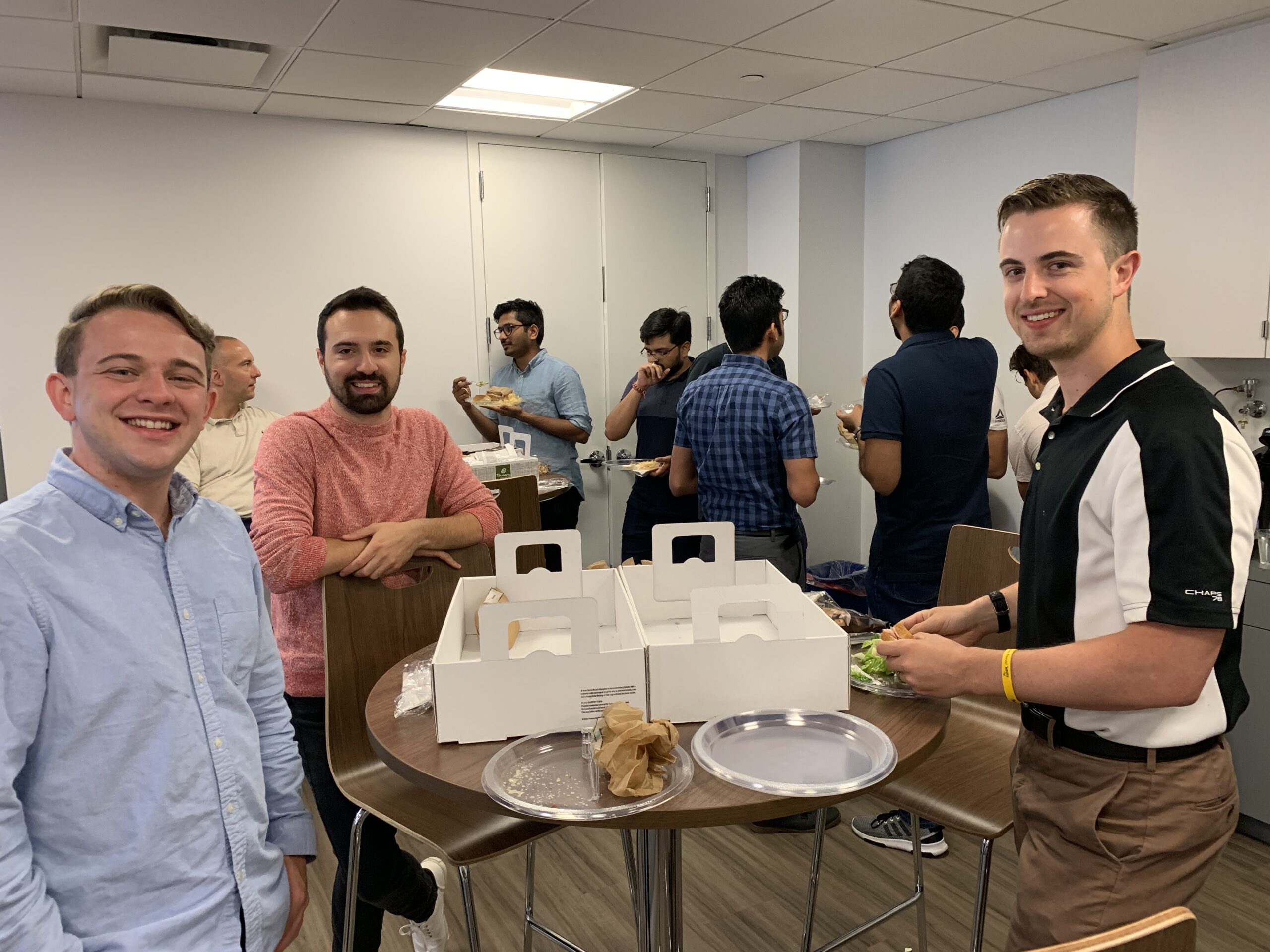
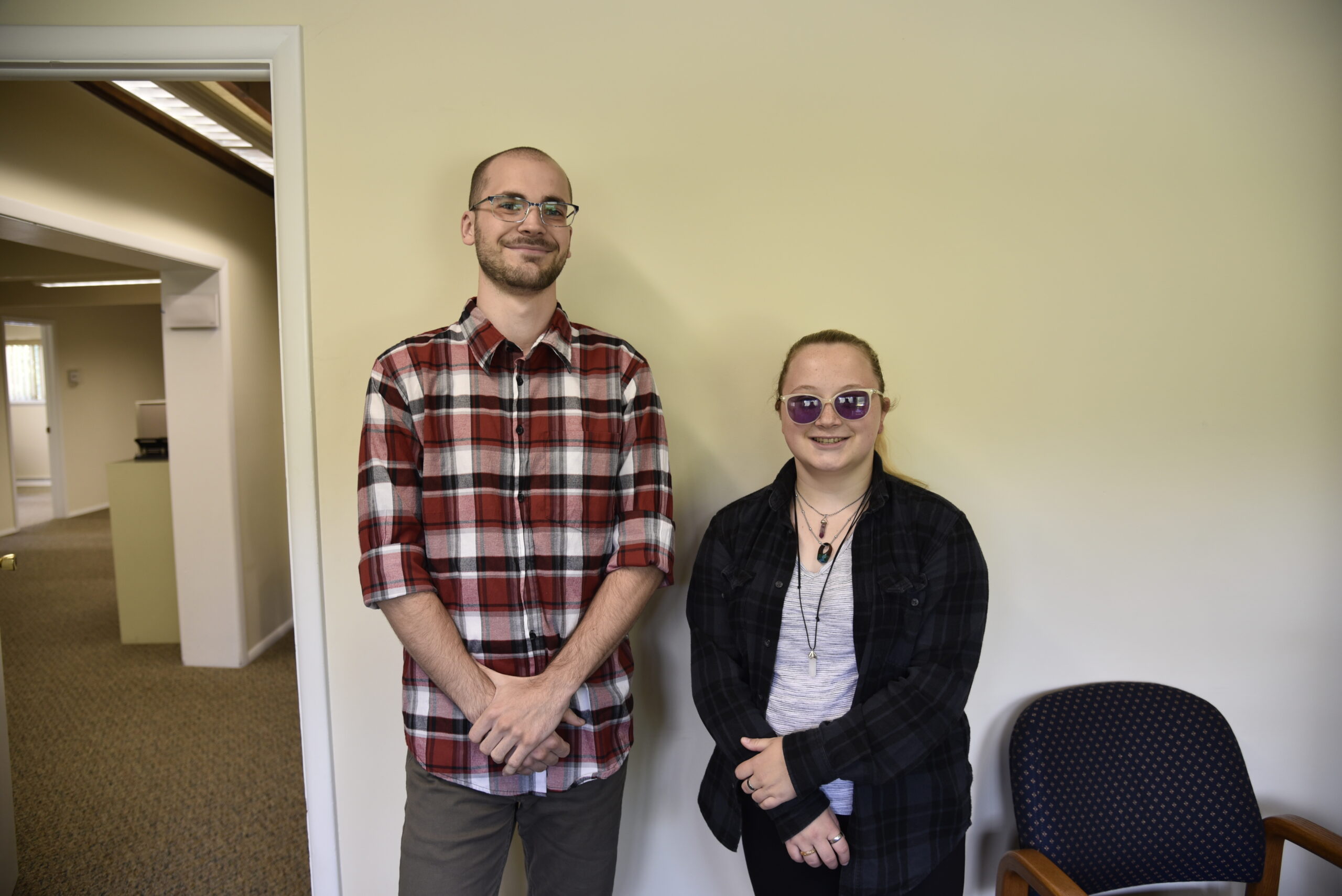
KC offers summer internships as a valuable professional development opportunity for undergraduate students. Interns are recruited at career fairs and invited to intern in our offices under the supervision of experienced KC staff, gaining hands-on experience over the course of the summer in the process. To thank the interns for their hard work and wish them well in their upcoming Fall semester at school, both KC offices threw the interns a party with a catered lunch.


Understanding Work Zone Traffic Control (WZTC)

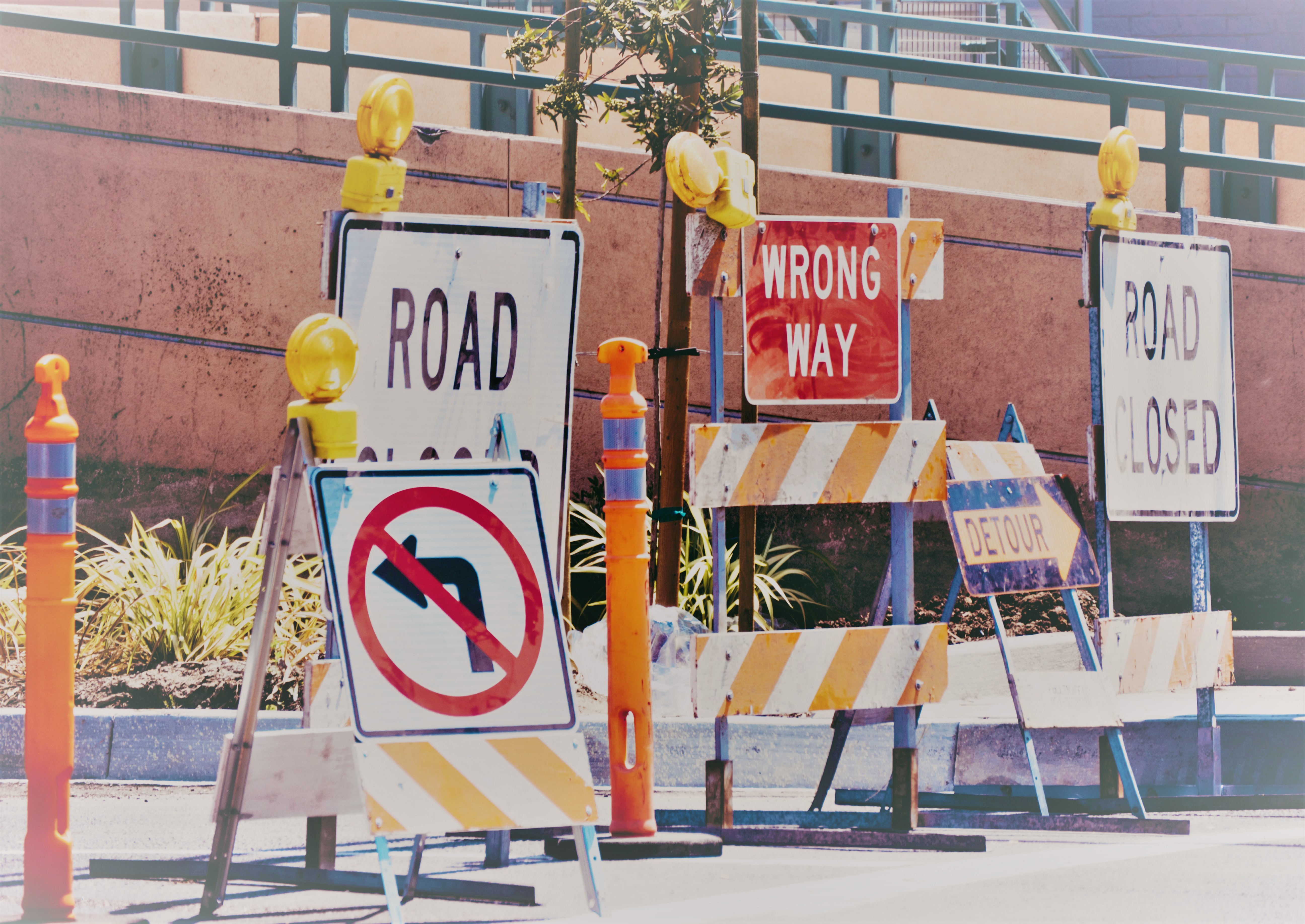
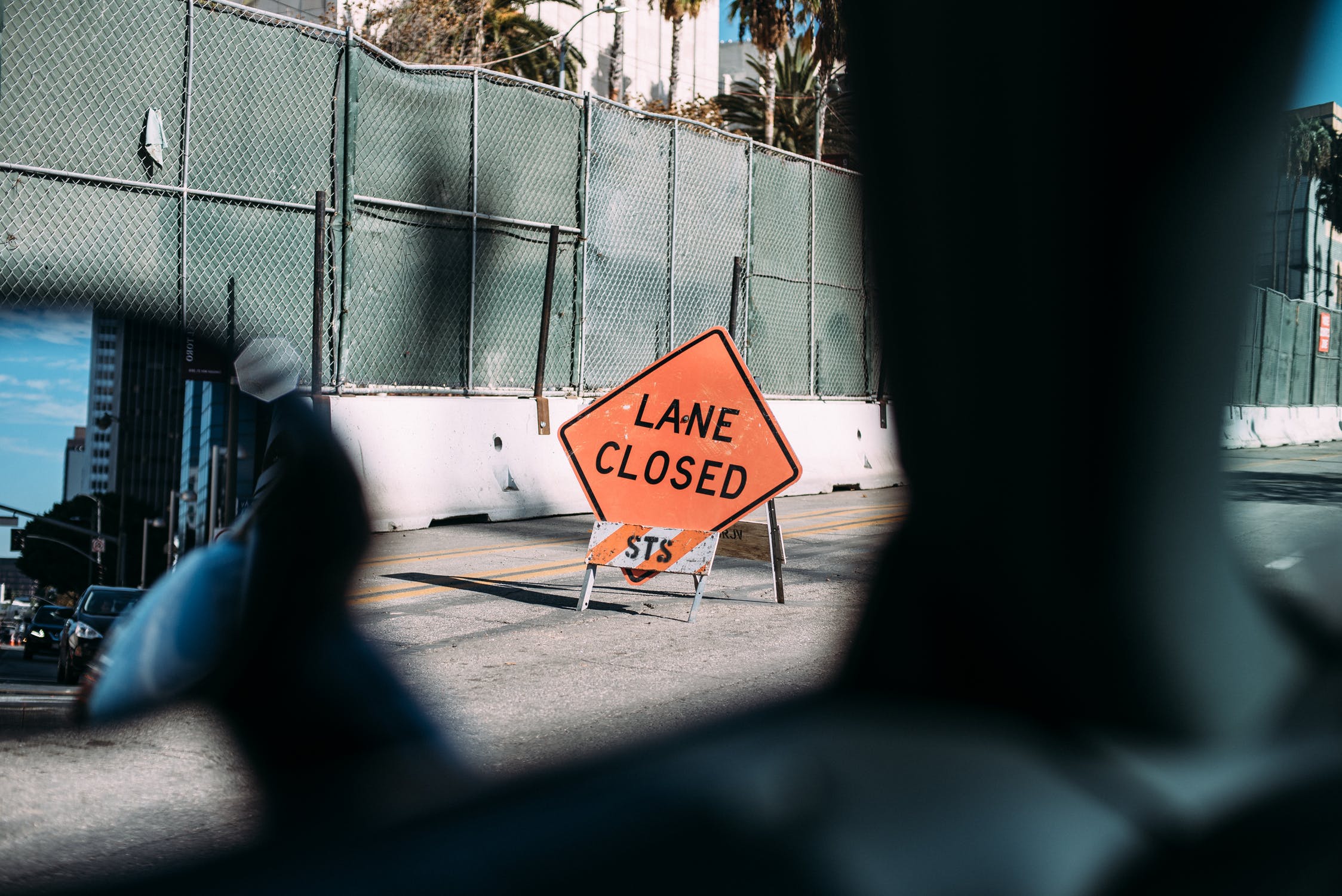
When construction takes place near or on roadways, it can result in traffic delays and compromised safety of construction workers, motorists, and pedestrians. As a result of roadway construction, certain measures are enacted to facilitate a safe work area for workers, maintain and protect the flow of traffic, and complete necessary work on schedule.

Work zone traffic control (WZTC) was created with these factors in mind, providing construction workers with the knowledge they need to maintain a safe work environment while ensuring an organized flow of traffic. WZTC protocols seek to mitigate the effects of construction on those directly affected by factors such as lane closures or detours.

Motorists should be alert to changing traffic patterns and possible work zones that may crop up along the road.

The typical WZTC area consists of four components:

  1. The advance warning area is the point where motorists are alerted to upcoming road work, usually through the use of road signs, electronic signboards, and flags, etc.
  2. The transition area is the area motorists are guided to transition out of their normal traffic pattern to the new, temporary traffic detour. This can be done with the use of flaggers, traffic cones, and signs.
  3. The activity area is where the actual road work is being conducted.
  4. The termination area is the point where traffic is allowed to return to its normal pattern.

While every NYS municipality can mandate or adopt their own WZTC policies, they must remain consistent with the Manual on Uniform Traffic Control Devices (MUTCD), set in place as a result of the New York State Vehicle & Traffic Law.

At KC, our field staff are well-versed in WZTC operations and regularly apply said knowledge when providing a variety of services to our clients.


Shoreline Protection Project

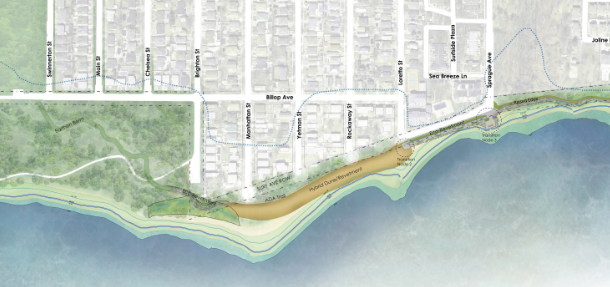
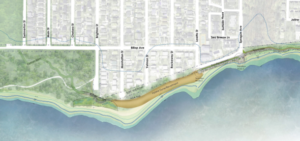
In order to satisfy the requirements of the New York State Department of Environmental Conservation (NYSDEC) State Pollutant Discharge Elimination System (SPDES) General Permit for Stormwater Discharges from Construction Activity, KC is preparing soil erosion and sediment control drawings and a Stormwater Pollution Prevention Plan (SWPPP) for the Governor's Office of Storm Recovery (GOSR). Our drawings demonstrate all soil and sediment controls to be implemented during construction to minimize the offsite discharge of pollutants.

Methods include the treatment of stormwater runoff, inlet protection, steep slope stabilization techniques, soil stockpile stabilization, and silt fences to abate air-born particulates from moving off-site. Our SWPPP provides water quality volume calculations, Stormwater Management Practices, and stormwater peak discharge offsite for both existing and proposed conditions to ensure that no net increase in runoff occurs.