
We’re Celebrating Our 40th Anniversary!

This month we are celebrating the 40th anniversary of KC Engineering and Land Surveying, P.C. (KC). So, it’s a perfect occasion to look back and celebrate KC’s achievements over the years and thank everyone who contributed to them.

As we have always envisioned, KC continues to grow rapidly, taking on and successfully completing major projects throughout the mid-Hudson Valley and the New York metropolitan area. This success is thanks to our vision to always provide the best results for our clients. We are able to provide the best results on each project we take on by staying up-to-date with the latest technology and continually training our personnel in the latest standards and procedures. Our personnel are always learning on and off the field, and their dedication to professional growth and excellence is evidenced with each project and the results we achieve. We have successfully completed multiple multi-million-dollar projects on time and within budget, and we are looking forward to continuing to deliver successful projects for years to come. We believe there is always room to learn and never stop improving, which is why our employees also continue to grow professionally and personally. As a token of appreciation, every year we announce in our newsletters the personnel that we promote, any licenses they have obtained, and/or any personal achievements they want to share with KC. We are grateful to have such talented, dedicated, and passionate employees who value KC's mission and what we stand for. We also recognize the importance of our clients and colleagues, who have trusted us for many years and have contributed to our success. We are honored and thankful, and we truly value all KC employees, clients, and colleagues for being part of our success over the years.

To stay up-to-date on all of KC’s achievements and news, please visit kcepc.com.

Best wishes for another successful year!



Groundwater

It should come as no surprise that groundwater is the foundation of our drinking sources, but are we aware of the significance of preserving it for the sake of our health and the environment?

The United States Environmental Protection Agency (NYEPA) is responsible for regulating the public water systems that use groundwater. However, regulating groundwater is significant for both municipal and private water systems. Groundwater comes from natural sources beneath the earth's surface in the cracks between rock and soil; as such, they are susceptible to pollution. There are many factors that can contribute to polluted groundwater such as natural disasters like wildfires and flooding. When contaminated chemicals are mixed with the groundwater, it becomes unsafe, and when humans consume it, it provokes serious health issues. Inadequate sanitation can also subject people to a variety of diseases. Aside from the unpleasant smells, studies have shown that contaminated water can cause cancer and even miscarriages.

It is important that owners of private water systems are aware of the different methods they can use to make sure their wells are safe and, more importantly, protect their families from consuming contaminated water. Private owners must conduct research to determine what types of chemicals are prevalent in their regions, and then conduct yearly contaminant tests on their wells. Additionally, private owners must keep fertilizer away from their wells because these chemicals may migrate. The more private owners understand about wells, the better they will be able to safeguard their home's water system. Many websites, such as wellsowners.org, can keep owners up to speed on the latest information on how to maintain their wells.

Groundwater pollution has serious environmental consequences, including ecological deterioration, which has repercussions for food security. It is critical to be aware of our human actions that may have an impact on the environment. Human activities such as deforestation, plastic pollution, and toxic waste dumping are major contributors to these environmental issues. To avoid contaminating our groundwater, we must reduce human-caused environmental pollution by avoiding excessive fertilizer use and following the instructions of our groundwater regulators.


National Engineers Week

This week is National Engineers Week!

This week-long event recognizes engineers as a central asset to our world and celebrates their “positive contributions to quality of life,” according to the National Society of Engineers.

Engineers created structures like the Hoover Dam, the Panama Canal, and even the Great Wall of China! Without engineers, these massive and impressive feats would have never come to be.

Founded by the National Society of Professional Engineers in 1951, National Engineers Week has coincided for over 50 years with the week of President George Washington’s birthday (February 22nd) to pay homage to the USA’s first engineer. Washington was introduced to engineering at an early age, often partaking in land surveying opportunities and ultimately going on to design a country estate on a plantation he’d inherited — Mount Vernon.

Each year, DiscoverE (http://www.discovere.org/), an organization focused on supporting and promoting growth of the engineering and technology communities, encourages children to explore the STEM community through interactive lessons, child-friendly activities, and involvement with their own local engineering communities.

Across the nation in cities like Port Jefferson, NY; Raleigh, NC; and Los Angeles, CA, DiscoverE hosts a series of workshops and presentations to promote the importance of engineering. Children are able to meet and speak with veteran engineers, participate in fun, educational activities, and learn about the global scale of engineered contributions.

For more information on upcoming STEM events sponsored by DiscoverE, visit https://discovere.org/engage/engineers-week/


African American Pioneers in Engineering You Should Know About

February is African American History Month. As such, it is the perfect opportunity to highlight the engineering achievements of African Americans who, although they have contended with racism, societal inequality, and discrimination, worked hard to overcome obstacles and accomplished great things in the field of engineering.

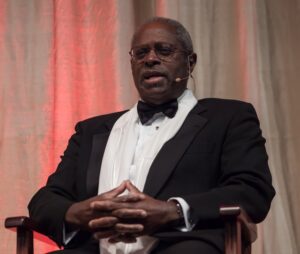
1. Walter Brathwaite, an American engineer who was born in Jamaica, was hired by Boeing in 1966. As Senior Engineer, he led the team that invented CAD systems for design of commercial Boeing aircrafts. Over the years, Brathwaite rose through the ranks, eventually becoming President of Boeing Africa. When he retired in 2003, he was the highest ranking African American executive of the company.

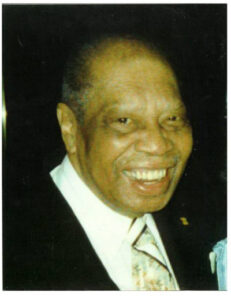
2. Howard P. Grant graduated from the University of California, Berkeley, in 1948, making him the first African American to graduate from the Berkeley College of Engineering. That same year, Grant also became the first known Black member of the American Society of Civil Engineers. He subsequently became the first African American civil engineer for the City and County of San Francisco and the second African American civil engineer to be licensed by California. He worked for the San Francisco water department until 1984, and also held the position of president and treasurer of the California Society of Professional Engineers.

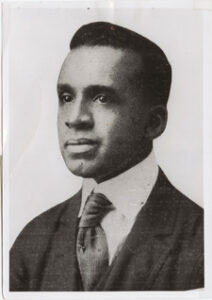
3. George Biddle Kelley graduated from Cornell University's College of Civil Engineering in 1908. He went on to become the first African American engineer registered in the State of New York. He was hired by the New York Engineering Department, where he worked on the Barge Canal, a collection of state waterways, during the 1920s.

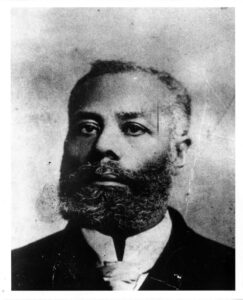
4. Elijah McCoy was born in Canada in 1844 to runaway slaves who had escaped Kentucky through the Underground Railroad. At the age of 15, he moved to Edinburgh, Scotland for an apprenticeship. There he became certified in mechanical engineering. Upon leaving Scotland, he moved to Michigan, where his family was now living. After being unable to find engineering work in Michigan because of his race, he found work as a fireman with the Michigan Central Railroad. Part of his duties included oiling the steam engine parts. Soon, McCoy had invented an automatic engine lubricator, which meant that trains were no longer required to stop for lubrication, and lubrication could now occur while the trains were moving. As news of the invention spread, many inventors attempted to create their own version of the automatic lubricator. However, it was soon discovered that McCoy’s invention was superior. It is said that railway engineers began requesting “the real McCoy” lubricator. McCoy filed a total of almost 60 patents, including designs for an ironing board, a lawn sprinkler, and other machines.


United States Infrastructure

Most of the infrastructure of the United States (US) was constructed in the nineteenth century. Various types of infrastructure include lock chambers, dams, levees, water pipes, sewage pipes, and bridges, with an estimated average life expectancy of 50 years. As the aging infrastructures’ quality deteriorates over time, it is critical that repairs and maintenance remain consistent in order to keep us safe.

Climate change is one of the most serious infrastructure challenges the US faces today, causing crumbling bridges and water systems as a result of unprecedented rainfall, floods, and heat waves. These failures have caused widespread damage throughout the US. Infrastructure built centuries ago was not designed for the environment we have today; therefore, it is critical that the US prioritizes and funds infrastructure on a national scale.

To save our infrastructure, we must all work together to address this long-term issue. The rising costs of materials will delay repairs, and pushing forward on critical infrastructure improvements would be the first step toward having funds to combat aging infrastructure. Working together to combat climate change will additionally slow the deterioration of infrastructure.