National Surveyors Week

National Surveyors Week, which begins every third Sunday in March, is an important event that aims to educate the public through media and viable public services. This week-long celebration of the surveying profession was officially proclaimed by President Ronald Reagan on February 13, 1984, making it a significant occasion for surveyors across the nation.

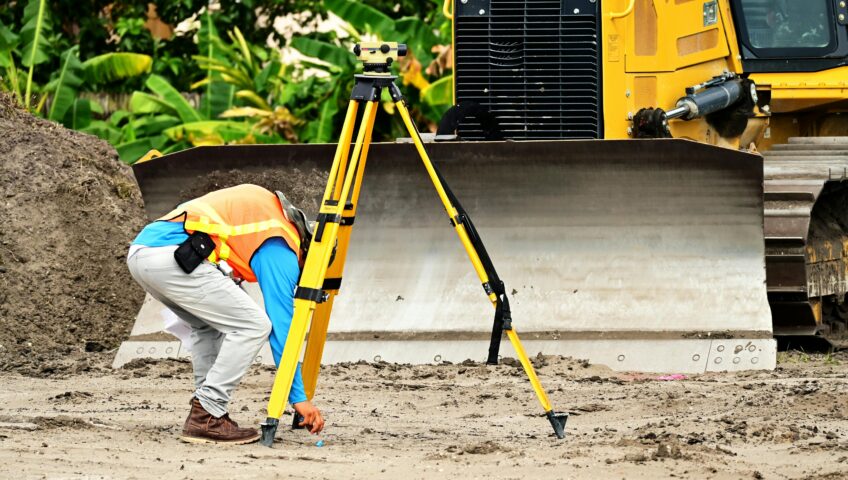
During National Surveyors Week, professionals in the field of surveying come together to raise awareness about their work and the crucial role they play in various industries. Surveyors are responsible for accurately measuring and mapping the physical features of the Earth's surface, which is essential for a wide range of activities, including land development, construction, and resource management.

One of the primary objectives of National Surveyors Week is to educate the public about the importance of surveying and the impact it has on their daily lives. Through various media channels, such as newspapers, television, and online platforms, surveyors strive to inform the public about the significance of accurate measurements and mapping in ensuring the safety and efficiency of infrastructure projects.

In addition to media outreach, National Surveyors Week also focuses on providing viable public services. Surveyors organize events and activities that allow the public to learn more about the profession and interact with professionals in the field. These events may include open houses, educational workshops, and community outreach programs, all aimed at fostering a better understanding of surveying and its applications.

By actively engaging with the public, surveyors hope to inspire the next generation of professionals in the field. National Surveyors Week serves as a platform to showcase the exciting opportunities that surveying offers, encouraging young individuals to pursue careers in this dynamic and essential industry.

President Ronald Reagan's proclamation of National Surveyors Week in 1984 recognized the invaluable contributions of surveyors to society. Since then, this annual celebration has continued to grow, with surveyors from all corners of the country coming together to promote their profession and educate the public about its significance.

In conclusion, National Surveyors Week, which commences every third Sunday in March, is a vital event that aims to educate the public through media and viable public services. President Ronald Reagan's proclamation in 1984 marked the official recognition of the surveying profession and its importance to society. Through various initiatives and activities, surveyors strive to raise awareness about their work and inspire the next generation of professionals. As we celebrate National Surveyors Week, let us acknowledge the crucial role surveyors play in shaping our world and ensuring its continued progress.



 

Black History Month: Pioneering African-American Civil Engineers

Black History Month is a time to reflect on the contributions and achievements of African-American individuals throughout history. It is a month dedicated to celebrating the rich heritage and accomplishments of African-American people in various fields. One such field that has seen remarkable contributions from African-American individuals is civil engineering. African-American civil engineers have played a pivotal role in shaping history and have paved the way for future generations in this field. Their significance lies not only in their technical expertise and innovative ideas, but also in the barriers they have broken and the opportunities they have created. By overcoming adversity and discrimination, these pioneering figures have not only made significant contributions to the field of civil engineering but have also left a lasting impact on society as a whole. Their achievements serve as a reminder of the importance of diversity and inclusion in the engineering profession. Through their hard work, determination, and unwavering commitment to excellence, African-American civil engineers have not only shaped history but have also inspired countless individuals to pursue careers in engineering. As we celebrate Black History Month, it is essential to recognize and honor the contributions of these trailblazers who have paved the way for a more inclusive and diverse future in civil engineering.

Exploring the contributions of notable African-American civil engineers who paved the way for future generations, we uncover a rich history of individuals who overcame adversity and made significant advancements in the field. One such pioneering figure is Benjamin Banneker, who, in the late 18th century, designed and constructed a series of irrigation canals for the family farm that greatly improved agricultural productivity in Maryland. Banneker's meticulous attention to detail and innovative engineering techniques set a high standard for future African-American civil engineers. Another trailblazer in the field is Howard P. Grant, a prominent civil engineer who graduated from the University of California, Berkeley, in 1948, making him the first African-American to graduate from the Berkeley College of Engineering. That same year, Grant also became the first known black member of the American Society of Civil Engineers. Additionally, we cannot overlook the contributions of George Biddle Kelley, who graduated from Cornell University's College of Civil Engineering in 1908. He went on to become the first African-American engineer registered in the state of New York. He was hired by the New York Engineering Department, where he worked on the Barge Canal, a collection of state waterways, during the 1920s.

These pioneering figures in civil engineering not only made significant contributions to the field but also paved the way for future generations. Their determination, expertise, and unwavering commitment to excellence have left an indelible mark on the profession. As we celebrate Black History Month, it is crucial to recognize and honor the invaluable contributions of these trailblazers and their lasting impact on civil engineering.


National Engineers Week: Celebrating the Impact of Engineers in Our World

Engineers play a crucial role in shaping our world. From designing innovative technologies to solving complex problems, their contributions are invaluable. This year, National Engineers Week begins next week and is a time to celebrate their achievements and increase public dialogue about the need for engineers.

Engineers are the driving force behind our modern society. They are responsible for creating and improving the infrastructure that we rely on every day, such as roads, bridges, and buildings. Without their expertise, our cities would not function as efficiently as they do now.

In addition to infrastructure, engineers are also at the forefront of technological advancements. They develop cutting-edge software, design advanced medical devices, and pioneer breakthroughs in renewable energy. Their work directly impacts our quality of life and helps us tackle global challenges such as climate change and healthcare.

One of the key goals of National Engineers Week is to increase public awareness about the importance of engineering. By highlighting the incredible impact engineers have on our lives, we can inspire the next generation to pursue careers in this field. Encouraging young minds to explore engineering can lead to innovative solutions and a brighter future for our world.

To achieve this, various events and activities are organized during National Engineers Week. These include career fairs, workshops, and competitions that showcase the diverse opportunities available in engineering. By engaging with the public, engineers can share their passion and inspire others to join their ranks.

Furthermore, National Engineers Week serves as a platform to recognize and honor the accomplishments of engineers. Awards and ceremonies are held to celebrate their contributions and highlight their achievements. This recognition not only motivates engineers to continue their important work but also raises awareness about the impact they have on society.

However, the need for engineers extends beyond National Engineers Week. As our world becomes increasingly complex, the demand for skilled engineers continues to grow. From addressing infrastructure issues to developing sustainable solutions, engineers are essential in shaping a better future.

In conclusion, National Engineers Week is a time to celebrate the remarkable contributions of engineers. Their work has a profound impact on our world, from improving infrastructure to driving technological advancements. By increasing public dialogue about the need for engineers, we can inspire future generations to pursue careers in this field. Let us recognize and appreciate the invaluable role engineers play in shaping our world and creating a brighter future for all.


January 2024 Company Newsletter

KC's January 2024 Newsletter includes a letter from KC President Raj Ravilla; the employee milestones section, both professional and personal; features on KC's new NYC office and the 2023 Holiday Party; detail on some of KC's new projects; and more.

Download KC’s Company Newsletter – January 2024 edition to keep up with KC’s latest news!


Engineering Strategies for Natural Disasters

Natural disasters, including extreme weather events, pose significant threats to property, infrastructure, and human lives. While it may not be possible to prevent these catastrophes entirely, careful planning and proactive measures can help mitigate their impact. In today's world, where natural disasters are becoming more frequent, it is crucial to have effective strategies in place to ensure preparedness and prevention.

Engineering strategies for natural disasters can be broadly categorized into four major phases: prevention, preparedness, response, and recovery.

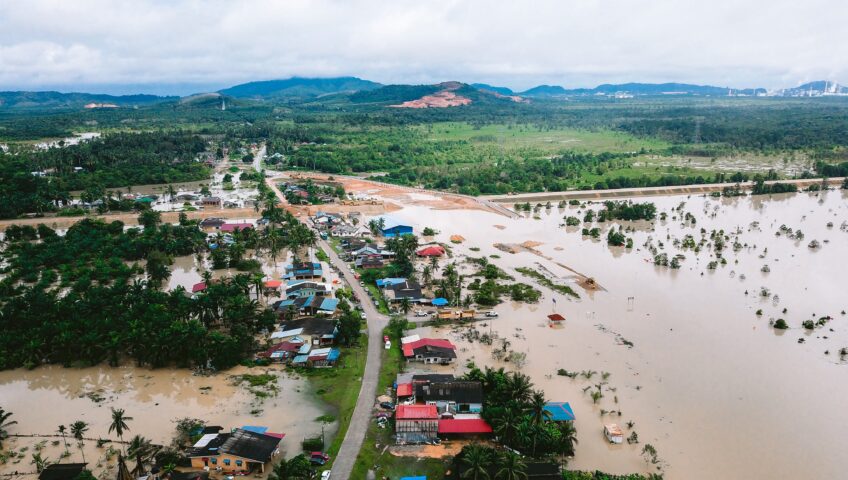
Prevention is the first line of defense against natural disasters. It involves identifying potential risks and implementing measures to minimize their occurrence or impact. For example, in flood-prone areas, engineers may design and construct flood control systems such as levees, dams, and drainage systems. Similarly, in earthquake-prone regions, buildings can be constructed using seismic-resistant materials and techniques to reduce the risk of collapse.

Preparedness is the next crucial phase in natural disaster management. It involves developing plans and protocols to ensure a swift and coordinated response when a disaster strikes. Engineers play a vital role in this phase by conducting risk assessments, creating emergency response plans, and establishing communication networks. They also work closely with other stakeholders to educate the public about disaster preparedness and organize drills and simulations to test the effectiveness of response strategies.

When a natural disaster occurs, a prompt and efficient response is essential to minimize casualties and property damage. This is where engineering strategies come into play. Engineers work alongside emergency responders to assess the situation, provide technical expertise, and assist in rescue and relief operations. For instance, in the aftermath of a hurricane, engineers may be involved in assessing the structural integrity of buildings, restoring power and water supply, and repairing critical infrastructure.

The final phase of engineering strategies for natural disasters is recovery. Once the immediate threat has passed, engineers play a crucial role in restoring normalcy and rebuilding affected areas. This involves assessing the damage, developing plans for reconstruction, and implementing measures to prevent similar disasters in the future. For example, in areas prone to wildfires, engineers may recommend the use of fire-resistant materials and vegetation management techniques to reduce the risk of future outbreaks.

In conclusion, engineering strategies for natural disasters are essential for minimizing the impact of these events on human lives and infrastructure. By focusing on prevention, preparedness, response, and recovery, engineers can contribute significantly to the overall resilience of communities and ensure a safer future for all. As natural disasters continue to pose significant challenges, it is imperative that we continue to invest in research, innovation, and collaboration to develop even more effective strategies for mitigating their impact.